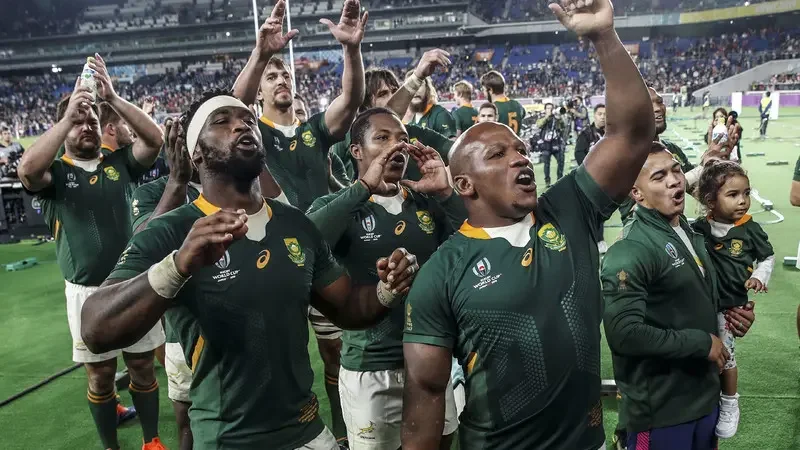
The Springboks have over the years set the modern benchmark in rugby. Consecutive Rugby World Cup titles in 2019 and 2023, consistent Rugby Championship success and a style defined by physical dominance, tactical precision as well as collective resilience have elevated the national team to the pinnacle of the game.
This excellence is no accident. It is the product of a coaching culture and structural pathway that begins at school level and runs through provincial systems with unusual professionalism and intensity. Yet the export of South African coaches has lagged behind the production of talent. While some have thrived abroad, many highly successful coaches have never secured meaningful employment at major overseas clubs. Other nations appear either intimidated by the full South African approach or unprepared to adopt its culture and structures from the grassroots upward.
South African rugby’s strength is systemic. Top schools run programmes with directors of rugby, specialist coaches and professional-standard conditioning that mirror elite senior environments elsewhere. Players emerge already steeped in high standards, set-piece focus, territorial control and a no-excuse mentality. Coaches formed in this ecosystem carry the same demands into senior rugby. The result is a pipeline that consistently produces both world-class players and coaches capable of high-performance delivery.
Some South Africans have successfully exported this expertise. Rassie Erasmus’s time as director of rugby at Munster showed analytical depth and cultural leadership. Jacques Nienaber has applied defensive organisation and exacting standards at Leinster. Johann van Graan has delivered Premiership success at Bath. Franco Smith has guided Glasgow Warriors to United Rugby Championship titles. These cases prove the methods can indeed travel. The broader picture, however, reveals under-utilisation and occasional rigidity that can reinforce external caution.
One case study is that of Swys de Bruin.** **
Zacharia “Swys” de Bruin stands as one of the most insightful coaches South African rugby has produced, yet he never took a head-coaching role at a major overseas club. His career began in school and junior structures before he coached Griquas and spent years developing talent in the Sharks academy system. He then joined the Lions as an assistant under Johan Ackermann, helping transform a relegated franchise into Super Rugby finalists in 2016, 2017 and 2018. When Ackermann left for Gloucester, De Bruin became head coach and continued the side’s attacking identity while also delivering Currie Cup success. He later served as Springbok attack specialist under Rassie Erasmus ahead of the 2019 World Cup, though health challenges forced his withdrawal.
De Bruin’s reputation rests on player development, tactical clarity and an ability to create attractive yet structured rugby. He shaped numerous Springboks and provincial stars. Despite this pedigree and repeated recognition as one of the game’s sharpest minds, major European or Japanese clubs never appointed him as head coach.
The Eddie Jones Blazer Episode
Even when external expertise has contributed directly to Springbok success, South African rugby’s strong identity and rules have sometimes created friction and maybe that can be a small but significant contribution why South African coaches get overlooked. In 2007, Australian coach Eddie Jones joined Jake White’s Springbok setup as a technical advisor and consultant for the Rugby World Cup. Players and observers later credited him with a major role in refining the team’s attack and mentality. Former scrumhalf Fourie du Preez stated bluntly that South Africa would not have won the tournament without him.
Because Jones is not South African, the South African Rugby Union refused to issue him an official Springbok blazer. He was required to wear a tracksuit instead of the traditional green-and-gold colours that mark full membership of the Springbok family. The players responded with a quiet protest: they declined to wear their own blazers to the post-tournament awards dinner. Bryan Habana later sent Jones his personal World Cup blazer as a personal gift of appreciation. The episode, while rooted in long-standing policy that Springbok colours are reserved for South Africans, highlighted the intensity and exclusivity of the national rugby identity. To outsiders it can appear as a closed or rigid culture. One that values its own structures so highly that even a key contributor to a World Cup triumph is kept at a formal distance.
The intensity of the South African model, its emphasis on physical confrontation, rigorous conditioning from school age, hierarchical accountability and fierce protection of national symbols, can appear alien or threatening to environments that prioritise different tempos, greater player autonomy or more fluid coaching cultures. Fully adopting the approach would require more than hiring one coach, it would demand overhauling grassroots pathways, school and academy standards and long-term cultural buy-in. Few unions or clubs have shown readiness for that scale of change.
South Africa continues to produce coaches of proven quality. The Springboks’ sustained excellence has demonstrated the system’s power. Greater international employment of these coaches would benefit clubs and national teams willing to engage with the full depth of South African rugby culture rather than selective elements of it. Until that readiness increases, much of the country’s coaching talent will remain closer to home than its achievements warrant.