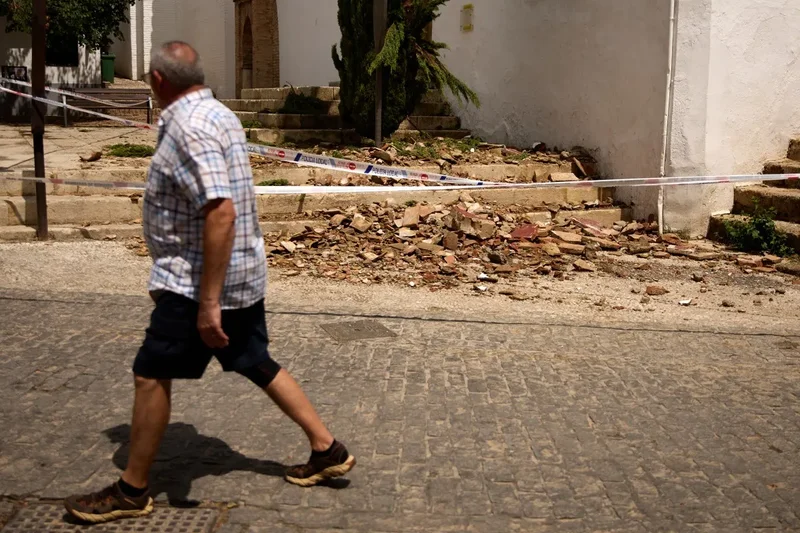
Granada has experienced a series of terremotos (earthquakes) across the province since August 14th.
According to Spain’s National Geographic Institute (IGN), nearly a hundred aftershocks have been recorded since then.
While Spain isn't particularly prone to earthquakes like some South American countries, Japan and Indonesia for example, they are more common in the south of the country.
The places in Spain that are at risk here include Granada, Almería, Murcia, Alicante and Málaga.
READ ALSO: Spain's Granada rocked by another earthquake
So, what’s the general advice when one occurs?
Following the recent earthquakes in Granada, Spain's Civil Protection authority and the country's National Geographic Institute have issued a series of recommendations on how to act before, during, and after one happens.
How to prepare for a potential earthquake
Even when there’s no earthquake, you can prepare so that you’re organised in the even that one does happens.
This includes preparing certain items for an emergency kit and storing it somewhere easily accessible. This should include a first aid kit, a torch, a battery-powered radio, a fire extinguisher, bottled water, non-perishable food and a whistle for attracting attention
Another thing you can do to prepare is to secure shelves, lamps and other items that could fall during an earthquake.
The National Geographic Institute also advises people to identify safe areas and emergency exits beforehand, as well as making sure you have emergency telephone numbers.
During an earthquake
If you’re inside a building when an earthquake strikes you should make sure to stay away from windows, standing lamps, and furniture that could fall.
The advice is to take shelter under a sturdy table, next to a structurally sound wall or pillar or under a door frame.
When you’re able to, you should turn off water, gas, and electricity supplies. If you see visible signs that the building has been damaged, you should evacuate when it’s safe to do so. Remember not to leave or enter a building while the earthquake is happening though and to use the stairs instead of a lift.
If you’re in a big building like a shopping centre, cinema or sports facility, it’s best again to find a piece of sturdy furniture to shelter under and make sure to protect your head and your arms in particular.
If you’re outside when the earthquake hits, head straight away to an open space, away from buildings, traffic lights or electricity cables, as well as big trees and bridges. This can be tricky to do in a city, but there may be an open park or plaza somewhere nearby.
If you’re near the coast, however, the beach isn’t the best idea as sometimes earthquakes can cause tsunamis. You should always head to higher ground.
If you’re out driving in your car during the earthquake, it’s important you stop your car in a safe place away from buildings and trees. Turn on your hazard lights and stay inside the vehicle until the shaking has stopped.
After the earthquake
Even though it may appear that the danger is over, you still need to take precautions. Authorities recommend not plugging in electrical appliances due to possible electrical damage which may cause a fire.
The National Geographic Institute also advises people not to use their mobile phone straight away unless absolutely necessary.
Be careful as there could be aftershocks. Always consult information provided by officials and follow instructions.
If you have become trapped in a building or similar, authorities advise covering your mouth and nose to avoid inhaling dust. Instead of shouting for help, you should bang or tap something to help rescue teams find where you are.