Changes for how endometriosis is diagnosed could be 'a big win'
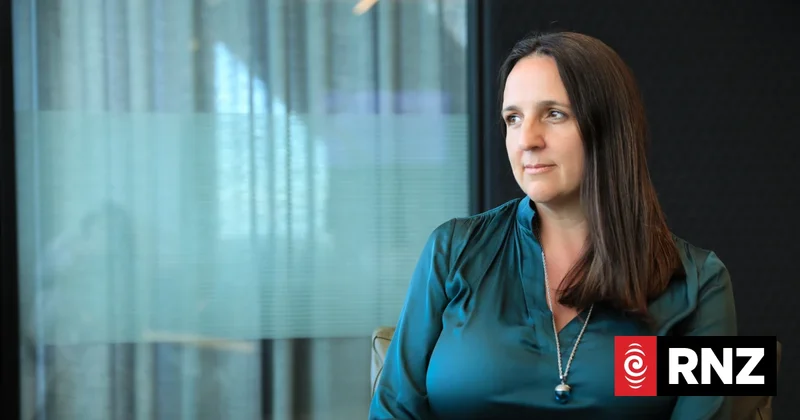
Changes on the way for how endometriosis is diagnosed offer hope for those living with the painful condition, Endometriosis NZ chief executive Tanya Cooke said.
New clinical guidelines announced on Tuesday will mean general practitioners can make a diagnosis based on symptoms and examination, rather than waiting for a laparoscopy.
The change puts a greater reliance on imaging, rather than surgery, Cooke said.
"So people who are suffering from the condition will receive a diagnosis much earlier and can commence treatment and this should make a big difference."
The average wait for diagnosis is currently nearly 10 years, and patients live with significant pain, she said.
Endometriosis is an inflammatory disease where tissue similar to the lining of the uterus grows outside it. Symptoms include period and pelvic pain, subfertility and infertility.
"You cannot underestimate what people go through when they're experiencing these debilitating symptoms. Young girls have to take time off school, maybe can't take on the careers that they wanted to," Cooke said.
"It can have a huge impact on somebody's quality of life. So there's hope that we can get on top of the diagnosis early and really improve the outcomes for the minimum of 120,000 people that are living with endometriosis here in New Zealand."
She said the change is "a big win" for those living with the condition.
"It's been an accumulation of sustained advocacy from our organisation, but we're excited to have international clinical best practice implemented here in New Zealand."
The gold standard for diagnosis has been surgery, which the new guidelines move away from towards updates in imaging, such as transvaginal ultrasounds and potentially MRIs, Cooke said.
Announcing the changes on Tuesday, Health Minister Simeon Brown said once a clinical diagnosis is made, GPs will then be able to prescribe treatment immediately,
The change would mean low impact hormonal medication could be prescribed without delay, which Brown said was effective for up to 60 percent of patients.
Laparoscopic surgery would remain available for those who needed it, but it would no longer be the only route to diagnosis.
Health NZ will adapt the Australian Living Evidence Guideline on Endometriosis for use in New Zealand, in collaboration with the Royal Australian and NZ College of Obstetricians and Gynaecologists, other medical colleges and Endometriosis NZ.
The guidelines are expected to be launched in mid-2027.