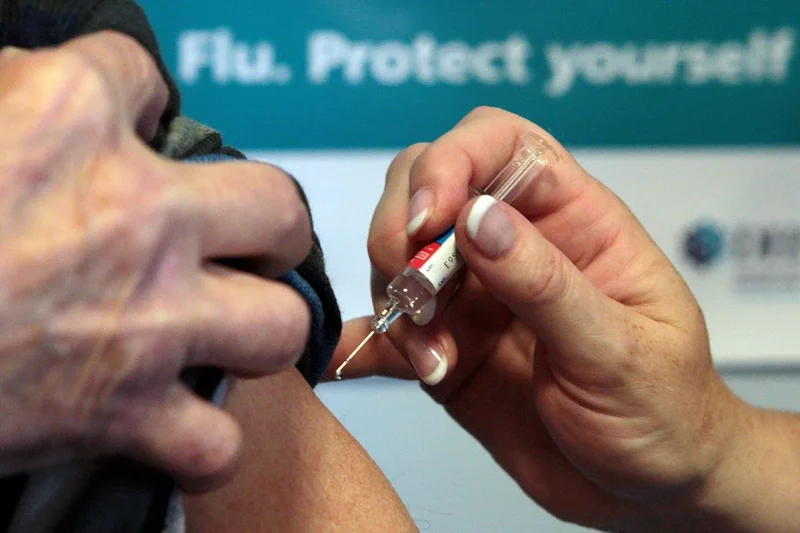
The NHS is urging millions of people to book their flu jabs early ahead of the winter rush.
Flu season may seem like months away, but the health service is starting preparations earlier by opening its booking system to eligible people, including pregnant people and children.
The NHS has had to treat record numbers of patients this summer amid five back-to-back heatwaves.
It now wants to do everything it can to ease winter demands.
In 2025, nearly 19 million people received their flu jab in England, and around 104,000 hospitalisations are estimated to have been avoided as a result.
Here are all the details on who is eligible for a free flu vaccine and the optimal time to get it.
How to get a flu jab
Certain eligible groups can get a free NHS flu vaccine. These are people who:
- are aged 65 or over
- have certain long-term health conditions
- are pregnant
- live in a care home
- are the main carer for an older or disabled person, or receive a carer's allowance
- live with someone who has a weakened immune system
Anyone eligible who wants to book a flu jab can: contact their GP surgery to book an appointment; book at a pharmacy online or in the NHS App; or find a pharmacy that offers free NHS flu vaccination.
Those who are not eligible for a free NHS jab but still want to receive a vaccination can pay for a private service. This is offered at pharmacies like Boots and Superdrug, usually for around £20.
**When do flu vaccinations start? **
Vaccinations start on 1 September and run through to March.
Flu season usually peaks in December and January, so the NHS is starting vaccinations in autumn, to ensure those at risk are protected and fewer people are hospitalised.
Local NHS services will begin sending invites to the first cohort of people eligible – children and pregnant women – next month via their GP practice, NHS app or letter.
Other cohorts will begin receiving the jab from 1 October. These include those aged 65 years and over, all adults in a clinical risk group, and adults in care homes, carers and people in close contact with the immunocompromised and frontline healthcare workers.
This year’s cohort includes adults aged 75 years and over, residents in a care home for older adults, and individuals aged 6 months and over who are immunosuppressed.
How long does it take for the flu vaccine to take effect?
The flu vaccine takes about two weeks to reach peak effectiveness.
That’s because the immune system needs time to produce the protective antibodies against the influenza viruses in the vaccine.
But the vaccine offers protection for about three months.
Ideally, patients should get the vaccine at the start of winter so they are protected before getting exposed to the winter flu.
Why you should get the flu vaccine
Although getting a flu jab doesn’t stop a flu infection, it does reduce the chance of severe illness. It also reduces the chance of passing the flu on to someone else who is vulnerable.
Chief nursing officer for England Duncan Burton said: “The NHS is kicking off its preparations for winter earlier than ever, with millions of flu jab appointments for pregnant women and children available to book from today ahead of vaccinations starting next month.
“The flu jab is one of our best defences against winter illness. It takes just a few minutes, but it can protect you for months, helping to prevent serious illness, avoid hospital admissions and keep the most vulnerable people.”