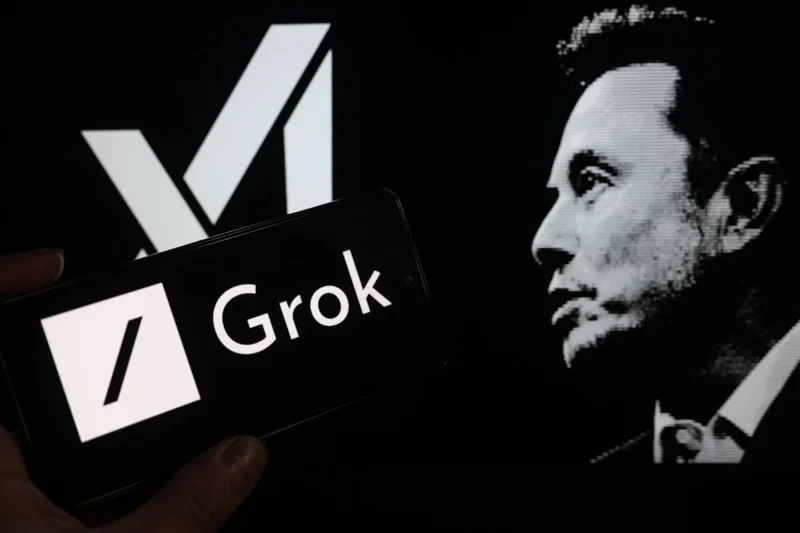
Elon Muskâs xAI just got some support from the U.S. Department of Justice in its lawsuit against Minnesota over the stateâs ban on AI nudification technology.
The Justice Department filed a statement of interest Tuesday arguing that Minnesotaâs law goes further than existing federal restrictions. More broadly, the department warned that a patchwork of state AI regulations could hamper industry development. However, the DOJ did not explicitly ask the judge to grant xAIâs request for an injunction.
Elon Musk’s xAI, the company behind Grok, first sued Minnesota Attorney General Keith Ellison in late July, alleging that the new law is unconstitutional and violates the First Amendment.
Minnesotaâs ban on nudification technology took effect Aug. 1. It targets the companies behind the technology rather than individual users, prohibiting the owners or operators of websites, apps, software and other services from allowing users to ânudifyâ an image or video. Violations can carry civil penalties of up to $500,000 for each unlawful access, download, or use.
xAI argues that the law is too broad because it does not explicitly account for a personâs intent or whether the person depicted consented to the image being altered. The company also points out that its own policies already prohibit users from generating nude or sexualized images of people without their consent.
That lawsuit comes after Grok made headlines late last year when users began using the chatbot to generate nonconsensual sexualized images of people, including images involving minors.
U.S. District Judge Donovan Frank previously denied xAIâs request for a temporary restraining order to prevent the Minnesota law from taking effect. Frank cited the timing of xAIâs request, which came only days before the law was set to take effect, saying the delay undermined the companyâs claim that emergency relief was needed.
âThe state would punish xAI for allowing a user to nudify themselves,â xAI attorney Robert Dunn said, according to Courthouse News.
Minnesota Assistant Attorney General Janine Kimble pushed back, arguing that having terms of service banning the behavior is not enough when users are still able to generate the images.
The state also cited research it says shows that around 95% of deepfake and manipulated images are nonconsensual and sexually explicit depictions of other people.
Meanwhile, the Justice Department argued that federal laws already address many of the same harms but do so more narrowly.
For example, the Take It Down Act requires platforms to remove reported nonconsensual intimate images, including AI-generated deepfakes, within 48 hours after receiving a valid removal request.
The department also tied its argument to the Trump administrationâs push for fewer AI regulations.
âAs the nation remains in the earliest days of the AI technological revolution and in a race with adversaries for supremacy within it, states must be careful not to impose excessive measures that hinder American national and economic security,” the statement reads.
Frank took xAIâs request for a preliminary injunction under advisement Wednesday and said he would issue a ruling as soon as possible.
xAI did not immediately respond to a request for comment.