Tourism has the potential to do more than attract visitors. When it is developed in partnership with local communities, it can strengthen regional economies, create employment and help people to become more involved in the opportunities around them.
This shared understanding was the focus of a recent visit to Pont de Val by a high-level delegation from the North-West University’s bhive Enterprise Development Centre (EDC), accompanied by senior academic and entrepreneurship ecosystem leaders.
The engagement formed part of a broader initiative focused on tourism development, practical skills training, safety collaboration and inclusive economic participation along the Vaal River corridor.
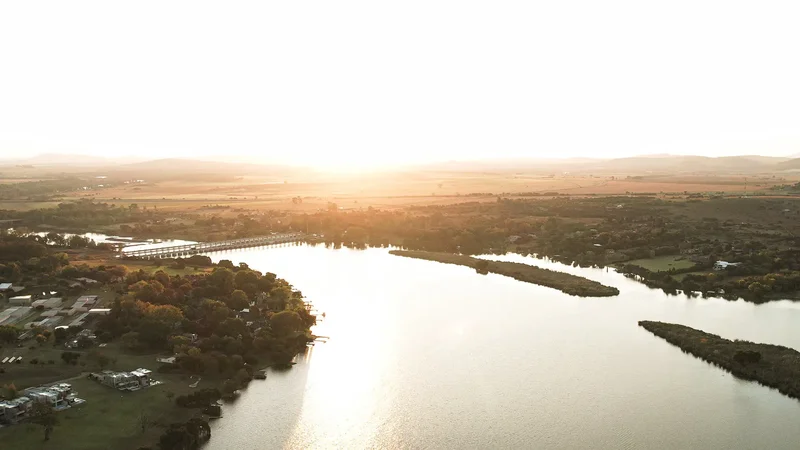
Founded in 2011 near Parys in the Free State, Pont de Val is a French-inspired riverside estate and hospitality destination comprising a boutique hotel, winery, restaurant and wedding venue. Situated in a region known for its artistic heritage, historical character and growing visitor appeal, the estate contributes to the area’s tourism economy.
The surrounding area, however, also includes communities facing socio-economic challenges. This makes collaboration between the university, tourism establishments, community leaders and other stakeholders especially important.
The delegation brought expertise in economics, education, tourism and enterprise development together with the purpose to explore practical ways in which the NWU can respond to local development needs while contributing to stronger tourism activity and economic growth in the region.
Some of the discussion points were unemployment, limited access to skills development opportunities and the socio-economic conditions affecting nearby informal settlements. A concern about crime in parts of the surrounding area and the effect this has on community well-being and the region’s tourism potential was also raised.
By bringing different areas of expertise into one conversation, the initiative demonstrates how universities can connect their teaching, research and community engagement capabilities to real needs beyond their campuses.
Tourism that includes communities
A major focus of the engagement was the role tourism can play in inclusive economic development.
Discussions explored opportunities for NWU students to participate in research projects assessing the viability of businesses in the region, identifying possibilities for small-enterprise development and supporting sustainable tourism models that can benefit local communities.
Practical skills development is another priority. Proposed training programmes would focus on hospitality-related areas such as housekeeping, room service, cleaning, food services and tour guiding. The intention is to equip residents with employable skills and create possible pathways into the tourism and hospitality industry.
Creating the conditions for growth
Tourism, safety and environmental care are closely connected. A destination’s success depends not only on its attractions, but also on the quality of its surroundings and the well-being of the communities that form part of it.
The engagement therefore highlighted community clean-up campaigns already being undertaken with local community leaders and the South African Police Service. These initiatives aim to improve environmental conditions, enhance public safety and create a cleaner, more welcoming tourism environment along the Vaal River corridor.