Why Japan’s fighter jet future looks ‘more optimistic’ with Canada’s entry
Analysts say the move will be ‘a starting point’ for greater cooperation among like-minded partners amid concerns about US commitment
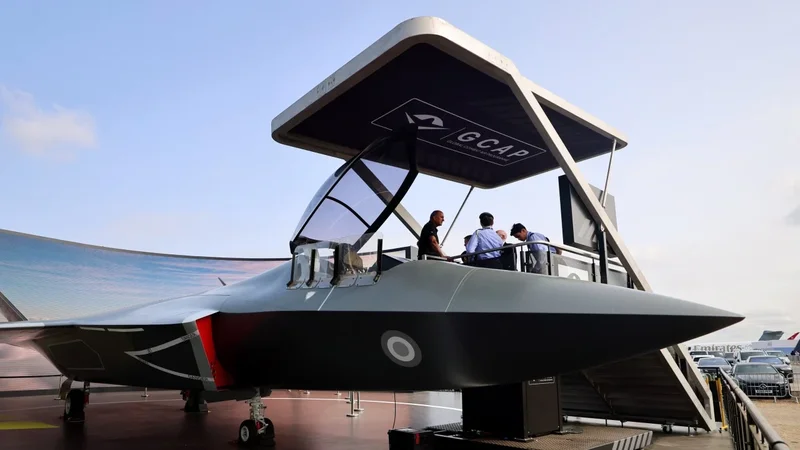
The moves could give fresh momentum to GCAP, a programme to develop a next-generation fighter that Japan sees as critical to replacing its ageing F-2 fleet and avoiding a gap in its air defences, analysts say.
While the introduction of the aircraft was less critical to the United Kingdom given its existing air capabilities, any postponement in deployment by Japanese forces could leave a significant gap in the nation’s defences, analysts said.
Besides giving the programme fresh impetus, analysts said the arrival of additional partners underlined the new military development alliances being struck as other Nato member states and like-minded nations in the Indo-Pacific region viewed US President Donald Trump’s administration as unreliable.
“Tokyo is going to feel more supported on the project and optimistic that it is going to get off the ground,” William Yang, a Taiwan-based analyst for the International Crisis Group, told This Week in Asia.