- See more Daily Mail on Google - save us as a Preferred Source
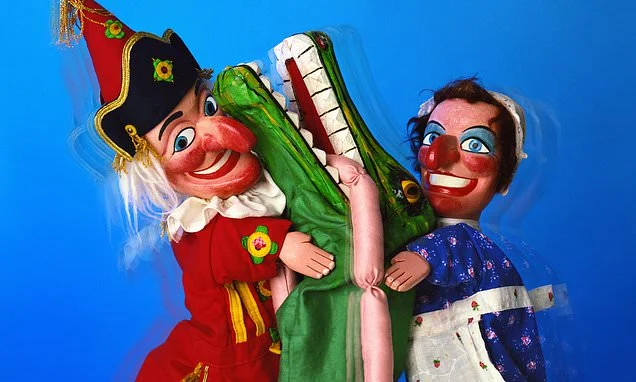
The clue is in the name... Punch and Judy – a knockabout puppet show in which the couple argue and hit each other with sticks to the delight of watching children.
But its days seemed numbered after critics accused it of trivialising domestic violence.
Now, after several years of decline, it's back – albeit in a rather neutered form.
Britain's dwindling band of Punch and Judy puppeteers – or 'professors' – are in demand again after removing any hint of violence from performances.
Joe Burns, who runs one of the last Punch and Judy shows, said he had performed his own reworked version almost 150 times since the May bank holiday.
Mr Burns, who is based in Dorset, added: 'Punch and Judy does seem to be having a revival at the seaside. Most performers don't hit Judy any more.'
The old-fashioned Punch and Judy show, which can trace its origins back to 1662, was once a seaside staple.
In its heyday, hundreds of performers plied their trade in coastal resorts – now there are just three working through the summer.
The 364–year–old traditional Punch and Judy puppet show is experiencing a seaside comeback after years of decline, though only a handful of full–time performers remain
To adapt to modern standards and address long–standing criticisms of trivializing domestic violence, puppeteers have updated the show by removing physical violence
Mr Burns doesn't believe the pretend violence upset children, but he accepted that the show had to reflect changing times.
He said: 'Children should be given the credit that they know it's make–believe. Punch has been in the UK for 364 years – it would never have survived if it didn't adapt and change.'
Some have criticised the revamp for 'going woke', claiming the traditional shows simply portrayed harmless fun, much as Tom & Jerry cartoons do. But in 2016, a Punch and Judy show was pulled from an event in South Wales for downplaying violence.
In 2024, drama experts at the University of Exeter began formulating a more gender-balanced representation.
Dr Alissa Mello, who led the Judy Project, said: 'Some audiences view it as misogynistic. But others understand it as unruly, romping family entertainment and its place within the English cultural heritage of misrule.'