Libya’s Rivals Initialled an Election Deal. The UN Disputes the Text
Northern Africa · Geopolitics
Initialled is not signed
The distinction is the difference between a headline and a fact. To initial a draft is to mark agreement on a text that has not yet been executed, announced or published.
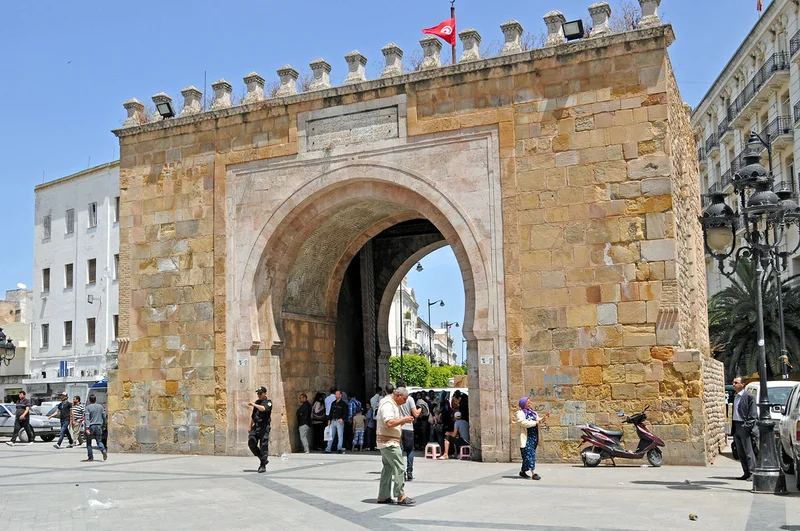
UNSMIL confirmed that members of the 4+4 committee initialled a draft final agreement in Tunis on Thursday. The committee then agreed to meet again inside Libya before the end of August to finalise the arrangements for implementing it, ahead of an official announcement.
So there is a document, and there is not yet a deal. The same committee has announced progress before without a text reaching publication.
The committee is small: four representatives of the western authorities — two from the Tripoli-based Government of National Unity and two from the High Council of State — and four from the east, including two members of the House of Representatives and figures close to the Haftar-aligned general command. The UN created the body, which it calls the Small Convening, precisely because the two chambers had failed to agree. The High Council of State has publicly denied that its members sit on it with any mandate.
What the roadmap has actually cleared
Two of the roadmap’s steps are now described as complete. The first is restructuring the High National Elections Commission, the body that would run any vote.
The second is revising the electoral laws. Those two together are the mechanical preconditions for an election, and Libya has spent years failing to settle either.
The commission’s board has been the sticking point. The UN mission itself announced the six nominees after the committee met in Rome in late April: Ali Al-Tayeb Abdul Jawad, Haitham Ali Al-Tabouli and Ali Abu Salah on the House of Representatives side, and Sana Al-Lishani, Badiwi Mohammed Badiwi and Ali Miftah Al-Mabrouk on the High Council of State side.
UNSMIL said on 5 August that the committee had agreed a mechanism for appointing the commission’s head. Under the arrangement the UN announced in Rome, the Attorney General nominates a judicial figure of recognised competence and impartiality, who is then appointed under the applicable rules. That keeps the post out of either camp’s gift.
Then the UN disowned the leaked text
On 22 August UNSMIL issued a press release saying the information circulating about the draft final agreement does not accurately reflect what was agreed upon by the parties. That is unusually blunt for a mediating mission.
It went further, emphasising what it called the critical importance of respecting the agreed rules governing the negotiations. Confidentiality, it said, is essential to preserving the integrity and validity of the agreement.
The mission added that the terms and details will be published officially once the process is finalised and announced. Until then, any account of what the document contains should be treated as unverified, which is why this article does not describe its provisions.
The fact of the initialling is confirmed. The contents are not.
Washington and Paris both showed up
The US Embassy for Libya, which has operated from Tunis since 2014, welcomed the progress made by the Libyan parties in Tunisia in a statement posted on X and reported by The Libya Observer. It called the progress an important step toward a credible path leading to successful national elections.
The embassy said it would continue to support dialogue among the Libyan parties and work with UNSMIL and international partners. Its stated goal is a unified executive authority capable of governing all of Libya.
France was visible too. The French presidential envoy for Libya, Paul Soler, met the UN special representative Hanna Tetteh in Tripoli on 22 August.
Tetteh had briefed the Security Council four days earlier. The pattern is familiar: a UN process with Washington and Paris pressing from just outside it, in a country where Turkey maintains a military presence under a 2019 agreement with the Tripoli government and Russian personnel operate in the east.
Why a Libya election agreement matters to outside investors
Libya’s institutional split is not an abstraction. It is what keeps oil revenue, the central bank and access to hard currency permanently contested.
Anyone trying to trade with, invoice or finance a Libyan counterparty runs into the consequences. We reported last week on Tripoli tying a company’s access to dollars to the tax it has actually paid, a rule that only exists because two authorities claim the same treasury.
An elections commission with an agreed board and an agreed law is the upstream variable behind all of that. It does not fix the split, but nothing fixes the split without it.
The caution is proportionate. Libya has no permanent constitution, no national election since 2014, and a long record of agreements that were about to be announced.
Frequently Asked Questions
What is the 4+4 committee?
It is a group of eight negotiators, four from western Libya and four from the east, that the UN mission created in April 2026 after the country’s two rival chambers failed to agree. Only two of the eight are members of the House of Representatives, and the High Council of State says its members were never authorised to take part.
What did they agree in Tunis?
They initialled a draft final agreement on 20 August 2026, concluding its discussions on the first two steps of the UN roadmap: restructuring the High National Elections Commission and revising the electoral laws.
Why did the UN dispute the leaked version?
UNSMIL said the information circulating about the draft does not accurately reflect what the parties agreed, and stressed that confidentiality is essential to the agreement’s integrity.
Has an election date been set?
No. No date has been announced, and the committee still has to meet inside Libya before the end of August to finalise implementation arrangements.
When did Libya last hold a national election?
In 2014. The country also has no permanent constitution.
This article was produced by The Rio Times’ automated newsroom system. How we use AI · Report an error