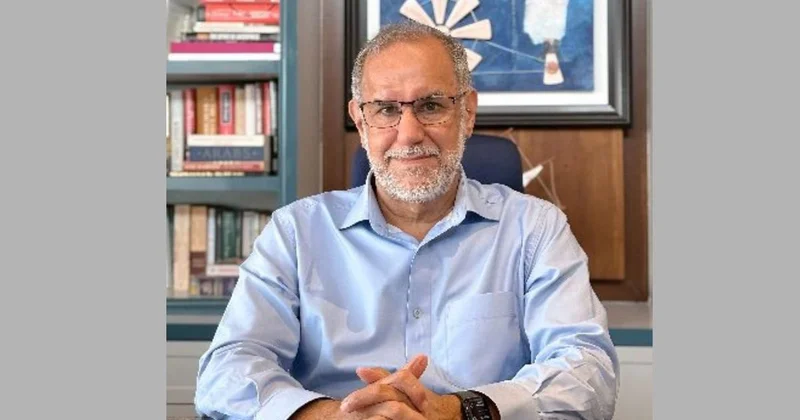
Former Indian diplomat Navdeep Suri has raised concerns about the verification process under the Special Intensive Revision of electoral rolls.
Suri, a retired Indian Foreign Services officer, went through the process in Punjab. It is among the 16 states where the voter roll revision is being carried out in the third phase of SIR.
In a social media post, Suri said that he had to submit his voter ID and Aadhaar card to a booth level officer and “was assured that everything is in order”.
He said that he was later informed that some of his details did not match the electoral rolls from 2003, which are being used to verify voters during the exercise.
“Spoke with booth level officer, was told that I should come and collect the notice,” he said in the post. “And then come again with unspecified documents that show I am an Indian citizen.”
He added: “Replied that I was not in India in 2003, so they have asked for passport as proof.”
Suri said that he was able to provide other forms of identification in addition to his voter ID and Aadhaar card.
“But can’t help asking: If I have trouble establishing my citizenship after representing India in three countries, what’s the fate of the common citizen?”
Suri has served as India’s high commissioner to Australia and ambassador to the United Arab Emirates and Egypt.
Voter roll revision
In 2025, the first phase of the exercise was conducted in Bihar. It was extended to 12 states and Union Territories in the second phase in late 2025 and the first half of 2026.
Since it began, concerns have been raised that the revision could eliminate genuine voters from the rolls and even shape electoral outcomes, as Scroll has reported.
In May, the Supreme Court upheld the legality of the revision, but said that the exercise does not mean that the Election Commission can decide on whether the person is an Indian citizen.
Edited by Tanya Shrivastava.
Also read: Scroll’s SIR experience is a microcosm of what urban India is facing
We welcome your comments at letters@scroll.in.