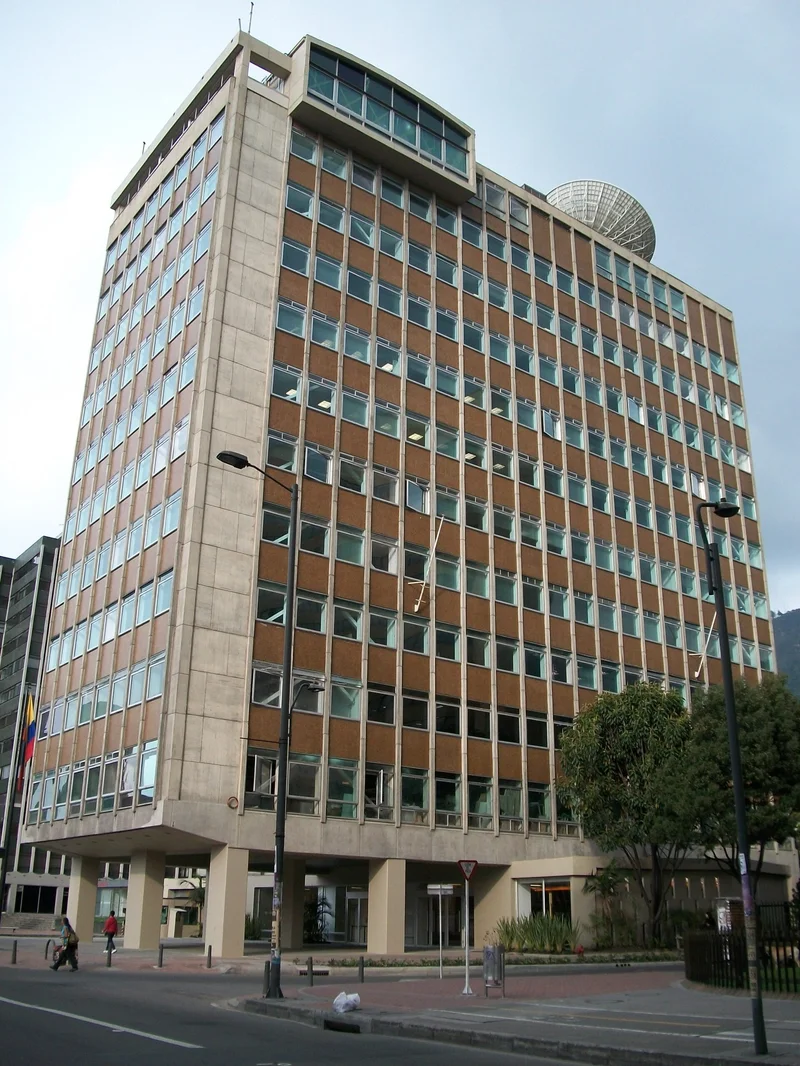
Ecopetrol Board Shakeup: CEO Roa Exits July 30
Colombia · Companies
Ecopetrol board shakeup has entered a decisive phase as Ricardo Roa Barragán, the president and CEO of Colombia’s state-controlled oil company, prepares to exit his post on July 30, 2026, while two board members with ties to President Gustavo Petro’s government have submitted their resignations, marking one of the most significant governance resets at Latin America’s fourth-largest oil firm in recent years.
Inside the Ecopetrol Board Shakeup
Ecopetrol S.A. is Colombia’s largest company and the dominant player in the country’s oil and gas sector, responsible for roughly 60% of national hydrocarbon production. The Colombian state holds an 88.5% stake, making it a state-controlled enterprise, yet the company trades on both the Bogotá Stock Exchange and the New York Stock Exchange under the ticker EC.
For foreign portfolio investors and expatriates following Latin American markets, Ecopetrol functions as a proxy for Colombia’s macroeconomic health and political risk. Its dividend payments are a significant source of government revenue, and its operational decisions directly affect the national budget, the Colombian peso (currently around 3,950 pesos per US dollar), and the country’s energy self-sufficiency.
The company operates across the entire hydrocarbon chain, from exploration and production to refining and transportation. Its Barrancabermeja refinery is one of the largest in Latin America. In recent years, Ecopetrol has also expanded into unconventional energy sources, though oil and gas remain its core business.
The Leadership Reset: Roa Out, Hurtado Parra In
Ricardo Roa Barragán will return from a leave of absence on July 27, 2026, and serve as president for just three days before departing on July 30. The board has appointed Juan Carlos Hurtado Parra as acting president and CEO effective July 31, 2026, while a formal selection process for a permanent successor begins under the company’s established succession policy.
Roa’s exit did not come as a surprise to market observers. He had been on leave since late May 2026 amid investigations by Colombia’s Attorney General’s Office. Reporting by Reuters and Colombian financial daily Portafolio characterized the departure as a board-driven ouster, with legal and political pressure making his continued tenure untenable.
The charges under scrutiny relate to alleged influence peddling and violations of campaign finance limits tied to President Gustavo Petro’s 2022 election campaign. Roa served as Petro’s campaign manager before being appointed to lead Ecopetrol in 2023, a connection that has fueled persistent governance concerns among minority shareholders and international analysts.
Hurtado Parra, the acting CEO, now faces the task of stabilizing the company’s management structure during a period of heightened political sensitivity. The board has not set a public deadline for naming a permanent replacement.
Live Company IntelligenceEcopetrol SA ADR — the full investor dossier
Wall Street view
1Buy
6Hold
4Sell
$13.35· +7% vs 200-day
Valuation & profitability
Price & risk
$7.8852-wk high
$17.75
Revenue trend · 6y
$111.48T
Ownership
Dividend
What Ecopetrol does.Ecopetrol S.A. operates as an integrated energy company. It operates through four segments: Exploration and Production; Transport and Logistics; Refining and Petrochemicals; and Energy transmission and Toll Roads Concessions. The Exploration and Production segment engages in the exploration and production of oil and gas. The Transport and Logistics segment is involved in…
Board Resignations and the Petro Government Link
The governance overhaul extends beyond the executive suite. On July 23, 2026, board members Ángela María Robledo Gómez and Tatiana Roa Avendaño submitted their resignations, effective July 31. The company’s official filings cited personal reasons for both departures.
Tatiana Roa Avendaño had served as vice minister of environment in Petro’s government before joining the Ecopetrol board, while Ángela María Robledo Gómez is a prominent left-wing politician and former vice-presidential candidate. Their exits remove two directors widely perceived as aligned with the administration’s political agenda.
The same day, Luis Felipe Henao Cardona assumed the board chairmanship, with Hildebrando Vélez Galeano named vice chairman. Henao, a former housing minister under President Juan Manuel Santos, brings a different political profile to the leadership role, one that analysts suggest may help distance the board from direct government influence.
In a parallel move, Bayron Arley Triana Arias, the vice president for energy transition, resigned voluntarily effective July 31. Ernesto Alfonso Gómez Cabarcas, currently general manager of the Barrancabermeja refinery, will serve as acting vice president from August 1 until a permanent replacement is chosen.
Political Context: Petro’s Energy Agenda Under Strain
President Gustavo Petro, Colombia’s first leftist head of state, took office in August 2022 with an ambitious platform to phase out fossil fuel dependence and accelerate a transition to renewable energy. His administration halted new oil and gas exploration contracts, a policy that drew sharp criticism from industry groups and raised long-term questions about Ecopetrol’s growth prospects.
The appointment of Roa, his former campaign manager, to lead the state oil company was seen by critics as a politicization of what had traditionally been a technocratic institution. The subsequent investigations into campaign finance and influence peddling have deepened those concerns, creating a governance overhang that has weighed on Ecopetrol’s share price and its standing among international investors.
Colombian media outlets including El Tiempo and Caracol Radio have framed the leadership turbulence as a direct consequence of tensions between Petro’s political project and the institutional integrity of the country’s most important company. The resignations of Robledo and Roa Avendaño further thin the ranks of board members associated with the administration’s policy priorities.
For foreign investors, the reshuffle presents a mixed signal. On one hand, the departure of a CEO under legal scrutiny could be seen as a step toward restoring governance credibility. On the other, the rapid turnover and the unresolved succession question underscore the political risk embedded in Colombia’s state-controlled enterprise model.
Market Reaction and Analyst Views
Market reaction to the leadership changes has been cautious. Wire services and Colombian financial media have described the transition as negative for governance credibility but not necessarily an immediate operational shock. The appointment of an acting CEO provides a measure of continuity, and Ecopetrol’s core production and refining operations remain unaffected.
Analysts quoted in Bloomberg and Portafolio have generally viewed the shakeup as a sign of continued political risk and governance uncertainty. The state’s dominant shareholding means that board composition and CEO selection will always carry a political dimension, a reality that international investors must price into their exposure to the stock.
The Colombian peso, which trades at approximately 3,950 per US dollar, has shown limited direct reaction to the Ecopetrol news, reflecting the market’s prior anticipation of Roa’s exit. However, the broader investment climate for Colombian assets remains sensitive to any perception of institutional weakening at the country’s flagship enterprise.
The board now faces the challenge of running a transparent CEO selection process that can reassure minority shareholders and international bondholders. Ecopetrol’s US dollar-denominated bonds are widely held by emerging-market funds, and any perception of political interference in the succession could raise the company’s financing costs.
What Comes Next for Ecopetrol
The immediate priority is stabilizing the management structure under acting CEO Hurtado Parra. The board, now chaired by Henao, must also fill the vacancies left by the departing directors and the energy transition vice president. These appointments will signal the direction of the company under its reconfigured governance.
The broader strategic question concerns the pace and nature of Ecopetrol’s energy transition. With Triana’s exit and the departure of board members associated with the Petro administration’s environmental agenda, some analysts expect a potential moderation in the company’s diversification away from hydrocarbons, though no formal policy changes have been announced.
For expatriates and foreign investors in Colombia, the Ecopetrol saga serves as a reminder of the interplay between politics and business in Latin America’s state-controlled sectors. The company remains the backbone of Colombia’s economy, and its governance trajectory will be a key indicator of the country’s institutional resilience under a government that has challenged traditional economic orthodoxies.
Frequently Asked Questions
Why did Ecopetrol CEO Ricardo Roa leave the company?
Ricardo Roa Barragán departed amid investigations by Colombia’s Attorney General’s Office into alleged influence peddling and campaign finance violations tied to President Gustavo Petro’s 2022 election campaign. He had been on leave since May 2026, and his exit on July 30, 2026, was characterized by analysts as a board-driven ouster under legal and political pressure.
Who is the new acting CEO of Ecopetrol?
Juan Carlos Hurtado Parra was named acting president and CEO of Ecopetrol effective July 31, 2026. The board will run a formal selection process for a permanent successor under the company’s established succession policy. No deadline for the permanent appointment has been publicly announced.
How does the Ecopetrol shakeup affect foreign investors?
The leadership changes introduce near-term governance uncertainty but are not expected to disrupt operations. Ecopetrol’s shares trade on the New York Stock Exchange under ticker EC, and its US dollar bonds are widely held by emerging-market funds. Analysts view the shakeup as negative for governance credibility but note that the appointment of an acting CEO provides continuity while a permanent successor is chosen.
Sources & Further Reading
LatAm Markets: Live Signals → — real-time movers, turnover leaders and FX across Latin America.