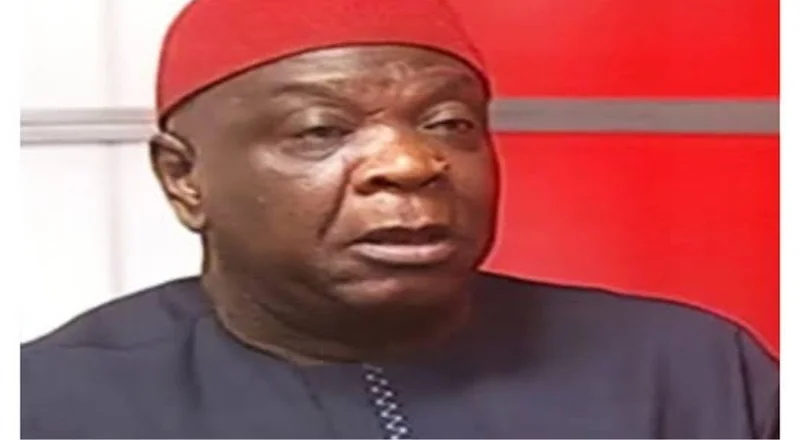
A chieftain of the Peoples Democratic Party, PDP, Dan Ulasi, has criticised former Head of State, General Yakubu Gowon (retd.), over his recently published memoir on the Nigerian Civil War, describing parts of the account as “convenient amnesia” and “half-truths.”
Speaking on The Morning Show on Arise Television on Friday, Ulasi reacted to comments made in Gowon’s memoir while discussing Plateau State Governor Caleb Mutfwang’s apology to the Igbo community over the role played by some Plateau indigenes during the civil war.
Mr Ulasi argued that Gowon’s account failed to accurately reflect events leading to and during the conflict, particularly regarding the Aburi Accord.
According to him, Gowon endorsed the resolutions reached at the historic Aburi meeting in Ghana but later failed to implement them upon returning to Nigeria.
“If you look at what happened in the Aburi Accord, General Gowon signed everything in the Aburi Accord and only came back to disown what he agreed to. Perhaps he did not fully understand what was going on there,” Ulasi said.
He further accused the former military ruler of leaving out crucial aspects of history in his memoir.
“Look at the book he wrote. You see a lot of convenient amnesia, half-truths and narratives that do not align with what actually happened during the civil war,” he added.
Ulasi also questioned the timing of the memoir’s publication, noting that Gowon rarely responded publicly to the late Biafran leader, Dim Chukwuemeka Odumegwu Ojukwu, when he was alive.
“Before Ojukwu died, he made several comments about the Civil War and Gowon never responded. But now he has come out with his own version of events at a time when those who could challenge his account are no longer here. It is unfortunate that we are reopening old wounds,” Ulasi stated.
In the memoir, Gowon recounted the events surrounding the January 1966 coup and the July counter-coup, explaining how he emerged as Nigeria’s Head of State.
The former military leader wrote that many northern military officers believed Ojukwu had links to the January 1966 coup and were prepared to move against him.
He also addressed Ojukwu’s position that Brigadier Babafemi Ogundipe, who was the most senior military officer after the assassination of Major General Johnson Aguiyi-Ironsi, should have succeeded as Head of State.
Gowon argued that the circumstances created by the counter-coup made Ogundipe unsuitable to effectively command the Nigerian Armed Forces.
He further claimed that Ojukwu rejected efforts to establish a cordial relationship and refused to recognise his leadership, insisting that military seniority should have determined Ironsi’s successor regardless of the circumstances that brought him to power.