Oaxaca Journalist Who Criticised Governor Shot Dead; Federal Probe Launched
Press Freedom Under Fire
A veteran Oaxaca journalist shot dead while eating at a street stall has triggered a federal investigation, intensifying scrutiny on Mexico’s deadly environment for critical reporters and the government’s failure to protect them.
A Voice Against Power Silenced in San Pablo Etla
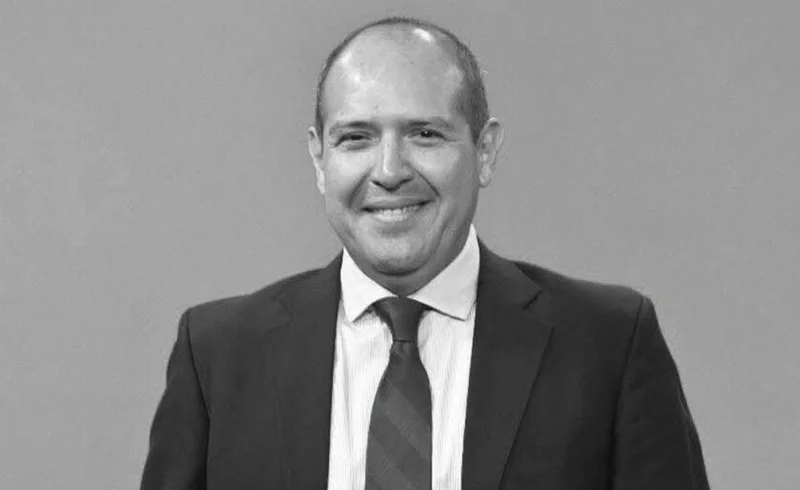
Francisco Alejandro Leyva Aguilar, a 60-year-old independent journalist and columnist, was murdered on a recent evening in San Pablo Etla, a municipality just outside Oaxaca City. He was eating at a roadside food stand when attackers on a motorcycle pulled up, shot him, and fled.
Leyva died at the scene. For years, his reporting had focused squarely on government corruption and criminal violence in Oaxaca, often directing scathing criticism at the state’s Morena-party Governor, Salomón Jara.
Why Federal Authorities Stepped Into the Oaxaca Journalist Case
Mexico’s legal framework allows federal authorities to “attract” cases when a crime appears linked to journalism. The federal Attorney General’s Office (FGR) operates a Special Prosecutor’s Office for Crimes Against Freedom of Expression, known by its Spanish acronym FEADLE, precisely for this purpose.
In Leyva’s case, the Oaxaca state prosecutor’s office opened the initial investigation and quickly requested assistance from FEADLE. Governor Jara publicly ordered a thorough probe and instructed state officials to coordinate fully with federal prosecutors, effectively bringing the FGR into a leadership role.
This pattern mirrors other high-profile journalist murders, such as the recent kidnapping and killing of Veracruz reporter Roxana Guzmán. In that case, the FGR explicitly took over and transferred the file to FEADLE in Mexico City, treating the murder as a federal crime against free expression.
A Pattern of Threats and Inaction
Leyva’s murder did not occur in a vacuum. He had reported receiving death threats to both state and federal authorities approximately one year before he was killed. He filed complaints with the State Human Rights Commission and the federal Attorney General’s Office.
According to Reporters Without Borders (RSF), no protective measures were ever implemented despite authorities knowing the risks he faced. RSF is now demanding a public explanation for this inaction, a demand that underscores the systemic failure of Mexico’s protection mechanism for journalists and human rights defenders.
The Investment and Stability Read-Through
For investors and expats monitoring Latin America, the killing of a journalist in Oaxaca is not an isolated security incident. It is a data point in a deteriorating rule-of-law environment that directly affects operational risk assessments, insurance costs, and talent retention.
Mexico’s entrenched impunity for crimes against the press—FEADLE has been widely criticised for low conviction rates and slow progress even in emblematic cases like those of Miroslava Breach and Javier Valdez—signals a state unable to enforce its own protective mandates. This institutional weakness is a material factor for any entity with long-term exposure to the Mexican market.
What Comes Next in the Federal Investigation
Authorities have not yet publicly identified any suspects and maintain that all possible motives are under investigation. However, Leyva’s decades-long focus on corruption and his direct criticism of the sitting governor make his journalistic work a central line of inquiry for press-freedom advocates.
The practical reality of federal involvement varies. In some cases, the FGR sends a team but leaves formal control with the state. In others, it assumes full jurisdiction. The key metric to watch is whether FEADLE formally attracts the case entirely, a move that would signal federal recognition that Leyva was killed for his reporting.
Frequently Asked Questions
Who was Alejandro Leyva and why was he targeted?
Alejandro Leyva was a 60-year-old independent journalist and columnist in Oaxaca. He was known for exposing government corruption and directly criticising Governor Salomón Jara. While authorities have not confirmed a motive, he had reported death threats linked to his work a year before his murder, and no protective measures were taken.
What does it mean when the “Feds take over” a journalist murder case in Mexico?
It means the federal Attorney General’s Office (FGR) and its Special Prosecutor for Crimes Against Freedom of Expression (FEADLE) assume leadership or formal co-jurisdiction over the investigation. This happens when an attack is suspected to be linked to the victim’s journalistic work, elevating it from a state-level crime to a federal freedom-of-expression case.
How dangerous is Mexico for journalists right now?
Mexico remains one of the world’s most dangerous countries for journalists. Leyva’s killing is at least the seventh murder of a journalist in Mexico this year and the fourth since June. Impunity is the norm; the federal special prosecutor has been criticised for low conviction rates, even in high-profile cases.