The hearing had just started and Judge Arun Subramanian was no longer allowing Manhattan federal prosecutors to finish their sentences.
Instead, he pressed a top prosecutor, Sean Buckley, for an explanation: Why had the U.S. attorney’s office issued subpoenas to New York Times reporters — typically the final step in a leak investigation — just two days after the publication of an article about the security concerns of the president’s plane?
“Doesn’t that turn the law and the regulations on their head?” Judge Subramanian asked.
Mr. Buckley did not supply the answer immediately. But after an hour of questioning, he and the other prosecutors voluntarily withdrew the subpoenas, a tacit acknowledgment that the judge was poised to rule the government had not followed the law.
The episode underscored the administration’s hasty effort to identify the sources of The Times’s reporting as part of a powerful push by Mr. Trump and his top aides to crack down on the news media. The judge’s remarks raised questions about the role of not only Mr. Buckley but also of two high-level Justice Department officials who are under consideration for leading cabinet positions.
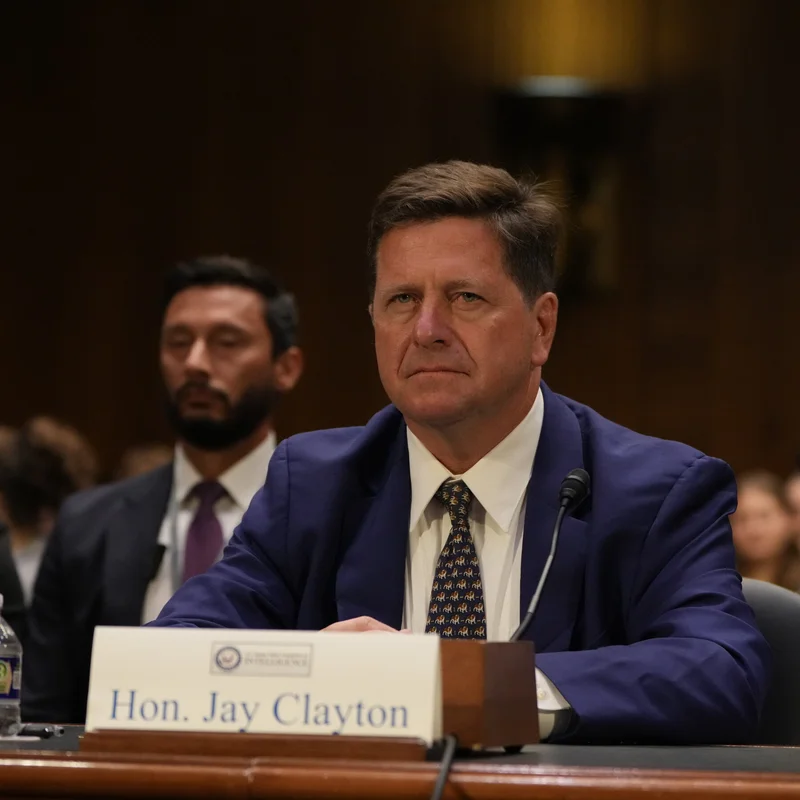
The acting attorney general, Todd Blanche, and the current U.S. attorney in New York, Jay Clayton, both testified this month that the issuance of the subpoenas had been in keeping with laws and regulations.
“We followed the processes that we were required to follow,” Mr. Clayton, nominated to be the director of national intelligence, insisted in sworn testimony before a Senate committee, adding, “I’m confident that the procedures that we have in place — to protect the First Amendment and protect the freedom of the press and not result in intimidation of journalists or the like — were followed.”