TANZANIA · HERITAGE
What the Stone Town restoration covers
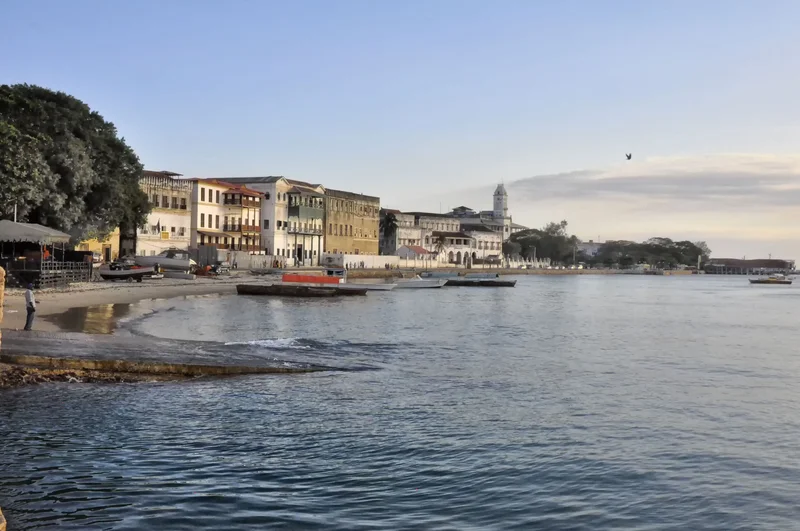
Zanzibar has signed a $12 million public-private partnership to restore the historic heart of its capital. The deal pairs the island’s government with a developer, Infinity Developments.
The work targets Stone Town, a UNESCO World Heritage Site since 2000. Named landmarks include the Old Fort, the High Court Museum and four major bath complexes.
These are among the most recognisable buildings on the seafront. Salt air, damp and age have worn many of them down over decades.
Funding the work through a partnership rather than the public purse is itself notable. Zanzibar’s government is using private capital to spread the cost and risk of a long restoration.
Why Stone Town matters
Stone Town is one of the best-preserved Swahili coastal cities in the world. Its lanes blend African, Arab, Indian and European influences built up over centuries of Indian Ocean trade.
That heritage is also the island’s main draw. Carved doors, coral-stone houses and old palaces are what pull most visitors inland from the beaches.
Letting the fabric decay would put both the listing and the tourism economy at risk. Restoration is therefore as much about money as about memory.
The stakes are high because the listing can be lost. UNESCO has stripped or threatened World Heritage status elsewhere when development went too far.
The town is also a living place, not a museum. Thousands of people work and worship in buildings that are themselves the attraction.
Live Company IntelligenceStoneCo Ltd — the full investor dossier
Wall Street view
13Buy
1Hold
0Sell
$16.09· +13% vs 200-day
Valuation & profitability
Price & risk
$9.4552-wk high
$16.48
Revenue trend · 6y
$14.15B
Ownership
Dividend
What StoneCo does.StoneCo Ltd. provides financial technology and software solutions to merchants and integrated partners to conduct electronic commerce across in-store, online, and mobile channels in Brazil. The company provides financial services, including payment, prepayment, digital banking, and credit solutions. It offers payment solutions of electronic payments and alternative payment methods, such as payment…
A tourism boom behind the plan
The repair drive comes as visitor numbers surge. Zanzibar recorded roughly a 19 percent rise in arrivals in 2026.
The island has also been chosen to host the Essence of Africa travel forum this year. That places it on the calendar of the continent’s tourism industry.
Neighbouring Kenya and Tanzania are deepening cooperation to draw long-haul travellers. A May state visit by Kenya’s president put tourism among the top shared priorities.
Officials hope the upgrades cement Zanzibar as more than a beach stop. The aim is a destination where culture and coastline sell together.
The risk of getting it wrong
Heritage restoration is delicate work. Done badly, it can scrub away the patina and crafts that made a place worth protecting.
UNESCO sites also come with rules. Major changes must respect the conservation standards that earned the listing in the first place.
Private money adds another tension. Investors want returns, while a living old town needs to stay affordable for the families who actually live there.
Local craftspeople will be central to the work. Traditional skills, from carving to lime plastering, are needed to repair the buildings the right way.
What to watch
The first sign of progress will be visible work on the Old Fort and the baths. Those are the landmarks most tourists pass.
The harder question is balance. Zanzibar must keep Stone Town authentic while letting it earn its keep.
If the island manages that, the project could become a model for heritage-led tourism elsewhere on the East African coast.
Transparency will matter too. Residents will want to see where the $12 million goes and who benefits from the work.
Heritage as an economic engine
Across Africa, governments increasingly see old towns and monuments as assets, not relics. Restored sites draw visitors, create jobs and justify their own upkeep.
Zanzibar has leaned on that logic for years. Tourism is among the archipelago’s largest employers and foreign-currency earners.
The risk is overdependence. A shock to travel, from disease to global recession, hits places that rely on visitors hardest.
Done well, restoration can lift wages for guides, builders and shopkeepers. The money tends to stay local in a way that big resorts do not.
A wider East African push
The island’s plans fit a regional pattern. Kenya, Tanzania and others are courting long-haul travellers with new routes, eased visas and joint marketing.
Cultural tourism is central to that pitch. Beaches draw the first visit, but history and craft are what operators hope will bring people back.
Regional rivals are watching closely. Kenya’s coast and Mozambique’s islands compete for the same long-haul visitors.
Air links will decide much of the contest. More direct flights from Europe and the Gulf would widen Zanzibar’s reach.
Frequently Asked Questions
What is the Stone Town restoration?
It is a $12 million public-private partnership between Zanzibar’s government and Infinity Developments to repair historic buildings in Stone Town. Targets include the Old Fort, the High Court Museum and four bath complexes.
Why is Stone Town important?
Stone Town is a UNESCO World Heritage Site and one of the best-preserved Swahili coastal cities, blending African, Arab, Indian and European influences. It is also Zanzibar’s main cultural attraction.
Is tourism to Zanzibar growing?
Yes. Zanzibar recorded around a 19 percent rise in visitor arrivals in 2026 and was chosen to host the Essence of Africa travel forum.
What are the risks?
Poorly handled restoration can erase the historic character that makes Stone Town valuable, and UNESCO rules limit major changes. Private investment also raises questions about keeping the old town affordable for residents.