With fast-paced plots, easy-to-digest storylines and attention-grabbing elements, vertical micro-dramas are swiftly captivating smartphone audiences. The Trade Policy and Strategy Office (TPSO) has identified this emerging format as a new opportunity for Thai content producers.
Nantapong Chiralerspong, director-general of TPSO, said vertical micro-dramas produced in a 9:16 aspect ratio are tailored for smartphone and tablet viewing. Episodes generally last 1-2 minutes, perfectly suited for consumers who like to race through content.
These micro-dramas use engaging plot twists, cliffhangers and constant hooks to maintain audience interest, resonating with media consumers who prefer content that gets to the point, he said.
MARKET VALUE
Mr Nantapong cited the "AI-Driven Global Micro-Drama Innovation and Development Report" by the Development Research Centre of China's National Radio and TV Administration in collaboration with private sector partners, which estimated last year the global market was US$18 billion, with Chinese micro-dramas valued at $14 billion.
The South Korean micro-drama market was projected to be worth $490 million in 2024 and is expected to reach $1.5 billion in 2029.
The report projected the Indian market would reach $1.5 billion in 2026, expanding at an average annual growth rate of 31% and reaching $4.5 billion in 2030.
The use of micro-drama apps is rising, as a report from the China Netcasting Service Association stated in January 2025 the average daily time Chinese users spent on micro-drama apps reached 95 minutes, increasing to 120 minutes in August 2025.
According to the report, nearly 80% of respondents watch micro-dramas more frequently now than in 2024.
Hongguo Duanju (Hongguo Short Drama), Hema Juchang (Hema Theatre) and Fanhua Juchang (Fanhua Theatre) captured more than 95% of the average monthly active user penetration rate in China.
From January to August 2025, micro-drama apps in markets outside China were downloaded 730 million times, surging 370% year-on-year.
The overseas micro-drama app market remains highly concentrated, with Chinese companies holding a dominant position.
Among the top 20 revenue-generating apps, 90% are backed by Chinese companies, accounting for 91% of the market's total revenue.
TPSO identified four revenue models for short-drama platforms. The pay-per-episode model allows viewers to watch the first 10-15 episodes for free, with subsequent episodes locked behind a paywall. Users must purchase tokens to unlock additional content.
The subscription model offers customers unlimited access to all episodes for a fixed fee.
A third model generates revenue through advertising on the platform.
Affiliate marketing enables content creators to embed links within episodes, allowing viewers to buy featured items.
PROMISING OPPORTUNITIES
The value of Thailand's micro-drama market has yet to be formally assessed. However, a report from ad analysis platform SocialPeta found Thailand ranked sixth globally in micro-drama app downloads in the first half of 2025, after the US, India, Indonesia, Brazil and Nigeria.
DianDian Data, a Chinese market analytics platform, reported Thai consumers spent $7.7 million on in-app purchases in the first quarter of 2025.
Thailand ranked third globally in short-drama in-app purchase revenue behind the US and Japan.
TPSO observed a growing number of Thai companies entering the vertical series market. A 75-year-old Thai production company, Kantana Group Plc, and its partners launched the "K-Short Drama" project, aiming to produce more vertical-format series.
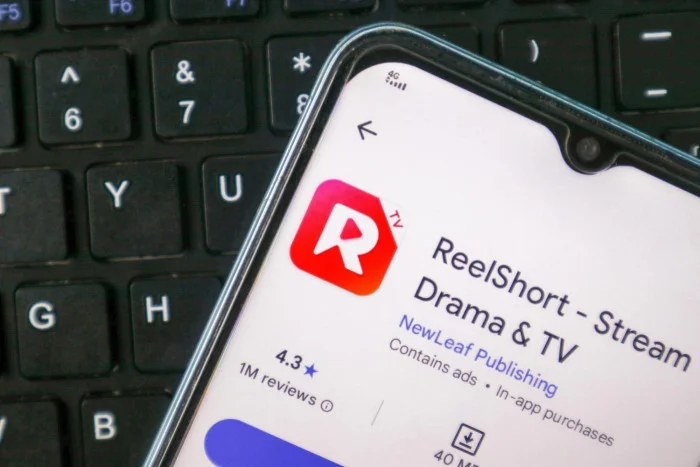
Advanced Info Service Plc revealed roughly 9 million users in Thailand watch vertical short-drama apps monthly. The company recently partnered with ReelShort to launch a mobile package, offering subscribers discounted access to the platform.
Mr Nantapong said the rise of vertical series creates opportunities for a broad range of Thai digital content creators, including in literature, screenwriting, video production, music, fashion and beauty, voice dubbing, translation, digital marketing, and intellectual property (IP) management.
To help Thai vertical series thrive internationally, TPSO recommends content creators improve their skills in developing stories to suit vertical formats. This approach demands concise storytelling, effective composition for smartphone screens, and the use of platform analytics to refine content production.
Moreover, related sectors such as subtitle translation and voice dubbing require support.
International marketing to expand the fanbase to China, India, Japan, South Korea, the US, and Europe should also be considered, noted the office.
All stakeholders are encouraged to prioritise IP protection and maximise utilisation of that IP.
"The rise of vertical series reflects a shift in the global digital content industry and changing consumer behaviour," said Mr Nantapong.
"Thai content creators should speed up the development of unique content, as it will help Thailand gain greater recognition on the global stage and deliver benefits across the entire supply chain."