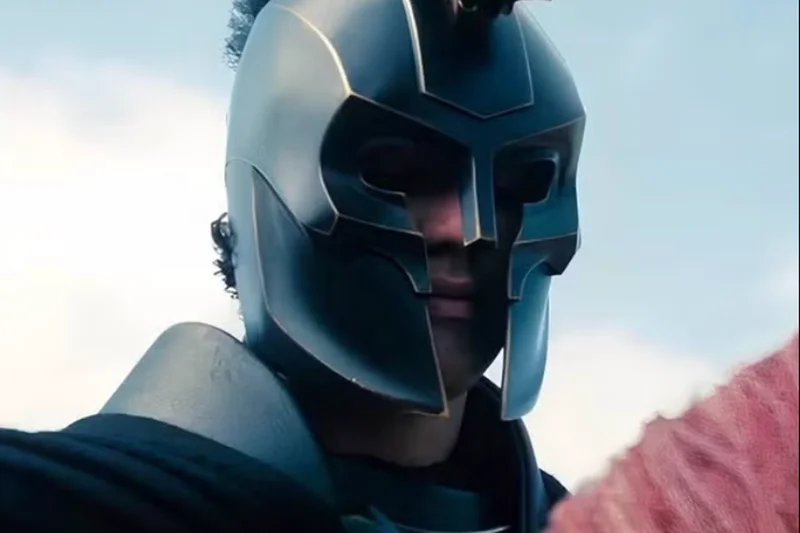
Christopher Nolan’s adaptation of Homer’s The Odyssey has become a cultural juggernaut, but it’s not just inspiring conversation: since its release, there has been a surge in people learning Greek.
The film is a certified box office smash, exceeding expectations by making more than $640m (£480m) at the global box office after just nine days.
While the film’s historic status as the first film to be fully shot in IMAX has certainly helped those figures, it’s also evidence of the enduring appeal of Homer’s ancient poem, composed almost 3,000 years ago.
According to Google Trends, searches in the UK for “learn Greek” have risen by 5,000 per cent in the last fortnight as anticipation for The Odyssey reached fever pitch.
A language trends expert for Preply, Madeline Enos, told The Times: “Homer’s Odyssey was composed in ancient Greek, which differs significantly from the language spoken in Greece today.
“Ancient Greek offers the opportunity to engage more closely with Homer’s original text and the wider classical world, while modern Greek can help people connect with contemporary Greek culture and communicate with speakers today.”
She credited The Odyssey with creating a spark that “can lead to a deeper understanding of Greece’s linguistic and cultural heritage”.
Sales for published copies of The Odyssey have risen by 70 per cent from last year, with 35,000 more copies sold this year in Britain compared with just 5,000 in 2025.
While many were excited for The Odyssey ahead of release, scholars swiftly directed criticism at Nolan after the unveiling of first-look images and trailers.
They were left frustrated over production details, including costume design and the use of contemporary English language, including the fact that the male characters in the film wore trousers and not skirts, and also the use of the word “dad” over “father”.
The finished film has split these purists down the middle, with some calling them key omissions and others more accepting of Nolan’s artistic licence. Nolan himself told Time that he wrote an alternative ending to Homer’s poem in the film as the original “is so grim and so misogynistic”.
“I had to exclude some of that material,” he said. “But I didn’t want to completely take it off the table in terms of what it is saying about men and the way they wage war.”
The film has become one of the Dark Knight trilogy, Interstellar and Oppenheimer filmmaker’s best-reviewed from his entire career. It’s also on course to become his most bankable, beating The Dark Knight Rises (2012), which made $1.085bn (£814m).