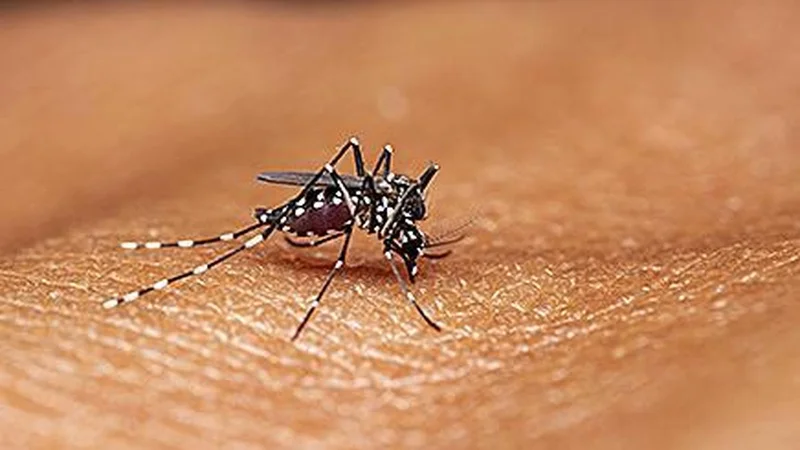
Rising malaria cases among migrant workers are causing serious concern in the plantation sector in Idukki. According to officials, nearly 280 malaria cases have been reported in the district this year.
Last week, a female worker hailing from Jharkhand died of suspected malaria. Doctors confirmed malaria in her husband, who remains under treatment in the intensive care unit (ICU) at Idukki Medical College.
Idukki District Medical Officer Dr. Iype Joseph said that the chemical examination report of the deceased worker’s blood samples is still pending, and the exact cause of death can only be confirmed after receiving it.
“However, her husband tested positive for the disease, and he, along with four others, continues to undergo treatment at Idukki Medical College,” the official said.
Jharkhand natives
Dr. Joseph noted that the workers confirmed to have the disease are natives of Jharkhand. “East Singhbhum district in Jharkhand is the epicentre of the disease, and workers arriving from there are carriers. Many take fever medication before travelling, but develop high fever after reaching the State,” he explained.
The DMO added that Kanan Devan Hills Plantations (KDHP) has been conducting malaria screening tests for migrant workers in Munnar, which helped detect cases early.
According to Health department officials, the severe strain of malaria is currently limited to plantation workers in the district and has not yet spread to local residents.
‘Ensure blood tests’
“However, there is a high risk of local transmission,” an official warned. “Those providing shelter to plantation workers must ensure blood tests are conducted upon their arrival in the State, followed by a repeat test the following week. The Health department has arranged facilities to collect blood samples across all government hospitals.”
Officials confirmed that free treatment will be provided to anyone diagnosed with the illness. Cases have primarily been reported in the plantation hubs of Munnar and Kattappana. Health authorities warned that local transmission, if triggered, could pose a major public health crisis.
According to officials, History offers a stark reminder, as during the British colonial period, widespread malaria outbreaks in the Peerumade hills severely disrupted early plantation development and resulted in heavy loss of life among planters.
Published - July 27, 2026 08:08 pm IST