YouTube Premium's Peacock perk has me worried about what's next
Jul 28, 2026 — 12:15 AM ET
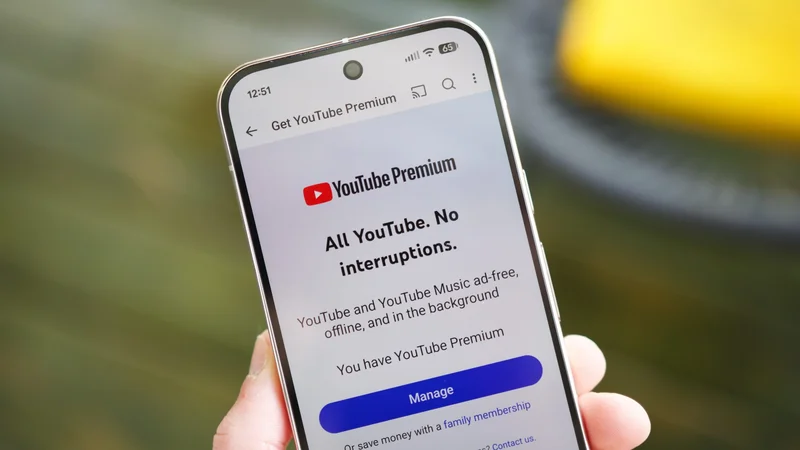
I was one of those people who was forced to sign up for YouTube Premium for one simple reason: I wanted YouTube without ads. YouTube’s crackdown on ad blockers kicked things off for me, but the ever-increasing number and length of ads the platform started throwing at me was the final nail in the coffin of my free YouTube experience. I gave in and became a YouTube Premium subscriber, thinking I’d finally escaped the tyranny of YouTube ads once and for all and that I was good to go.
For a while, it felt like money well spent. Background playback is nice, downloads come in handy on flights, and YouTube Music is a decent bonus. But if I’m being honest, I’d have happily paid for YouTube Premium even if none of those features existed. Getting rid of ads was always the only reason I subscribed.
That’s why Google’s latest announcement that YouTube Premium subscribers will have access to Peacock content left me with mixed feelings.
Would you rather YouTube Premium include more streaming perks or stay focused on YouTube?
On paper, it’s a great addition. Peacock Premium normally costs $10.99 a month and gives subscribers access to live sports, NBC shows, Universal movies, and more. For anyone who was already paying for Peacock, this is genuine added value.
What concerns me, however, is what this partnership could mean for YouTube Premium over the next few years.
YouTube is steadily becoming an entertainment hub
Let’s step back and see the bigger picture here — The Peacock announcement isn’t happening in isolation.
Just last month, YouTube added Peacock Premium Plus to Primetime Channels, allowing users to subscribe to the streaming service and watch everything without leaving the YouTube app. That was another step in what seems like Google’s broader plan to turn YouTube into a central hub for streaming services, alongside HBO Max, Paramount Plus, Crunchyroll, and several others.
This growing list of benefits could eventually become the justification for charging everyone more.
Bundling Peacock (with ads, I might add) with YouTube Premium feels like the natural next step in that strategy. It makes YouTube a more compelling entertainment platform and makes the Premium subscription look more valuable than before.
For subscribers who want all of those services in one place, that’s undoubtedly a good thing. My concern is that this growing list of benefits could eventually become the justification for charging everyone more, including people who never asked for those extras in the first place.
YouTube Premium has already become a lot more expensive
This concern doesn’t exist in a vacuum because YouTube Premium has become noticeably more expensive over the past few years.
Earlier this year alone, Google increased the price of the Individual plan from $13.99 to $15.99 per month, while the Family plan rose from $22.99 to $26.99 per month. That followed previous price hikes in multiple markets, making today’s subscription considerably more expensive than the one many of us originally signed up for.
Every price increase has been accompanied by some explanation, whether it’s greater investment in the platform or additional features. Regardless of the reason, YouTube Premium keeps getting more expensive. That’s why the Peacock announcement makes me uneasy.
Google isn’t raising prices today, and there’s nothing to suggest another increase is imminent. But once YouTube Premium starts evolving into a broader entertainment bundle rather than simply an ad-free YouTube subscription, it becomes much easier to justify charging more in the future.
If Peacock becomes part of that argument today, another streaming service could become part of it tomorrow. Over time, Google could continue adding partner services and point to the growing list of benefits every time Premium gets more expensive.
Not everyone subscribed to another streaming service
The biggest problem is that I don’t think many people subscribed to YouTube Premium because they wanted another streaming service. I certainly didn’t.
Like millions of others, I subscribed because YouTube had become frustrating to use for free. Ads were becoming longer, more frequent, and increasingly difficult to avoid. YouTube Premium wasn’t about replacing Netflix or Peacock for me; it was about replacing an increasingly unpleasant YouTube experience, and I suspect many subscribers feel the same way.
Google seems to be adding more and more benefits around the edges of YouTube Premium.
That’s what makes this strategy feel slightly disconnected from why people signed up in the first place. Google seems to be adding more and more benefits around the edges of YouTube Premium, while many subscribers simply wanted the core experience to be free of interruptions.
Ironically, Google’s strategy could end up making YouTube Premium Lite even more appealing than YouTube Premium itself. Every time the full subscription gets more expensive, more people will inevitably start looking at the cheaper option instead. But Lite isn’t a perfect substitute. It still serves ads on some content, making it feel more like a compromise than a true lower-cost alternative.
I can't help wondering whether Premium Lite will eventually become more ad-heavy.
If Google keeps adding partner subscriptions to justify future price hikes, I can’t help wondering whether Premium Lite will eventually become more ad-heavy to preserve the gap between the two plans. After all, if more people downgrade to Lite, Google will have every incentive to make the full Premium tier feel like the only way to get a truly uninterrupted YouTube experience.
Don’t get me wrong — I don’t think the Peacock partnership is a bad thing on its own. In fact, plenty of subscribers will probably get real value from it.
I just hope it doesn’t become the blueprint for YouTube Premium’s future. Because if Google keeps turning Premium into a bundle of streaming services, people like me, who only ever wanted YouTube without ads, could eventually find ourselves paying for a growing list of perks we never asked for.