Online monitoring system planned for tourists from Afghanistan and Pakistan
TEHRAN - Iran plans to launch a pilot program to monitor in real time the entry, stay and departure of tourists from Afghanistan and Pakistan, following a meeting of government agencies that approved the executive framework and oversight requirements for the initiative.
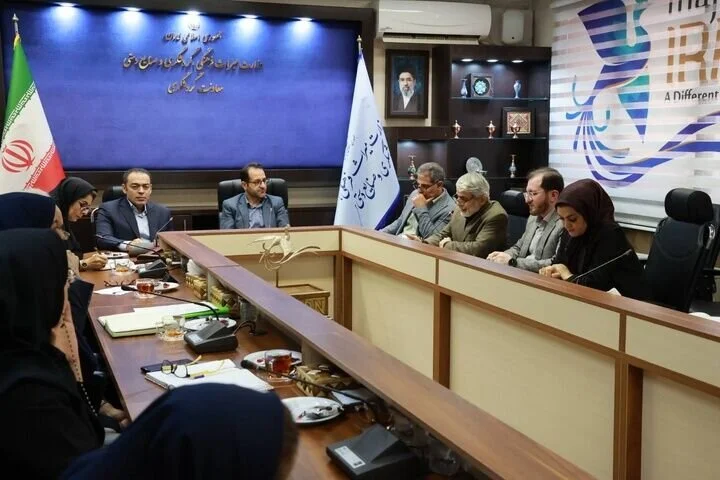
Representatives from the Ministry of Foreign Affairs, the Ministry of Interior, intelligence authorities, the Law Enforcement Command (FARAJA), the Ministry of Cultural Heritage, Tourism and Handicrafts, and the project’s coordinating body met on Monday to review the implementation process for the national plan, according to a ministry statement carried by IRNA.
The initiative is part of the government’s policy to strengthen the digital management of inbound tourism, improve travel security and facilitate oversight of foreign visitors. It is planned to focus on monitoring tourists from Afghanistan and Pakistan travelling for leisure and religious purposes.
Officials said the meeting aimed to coordinate relevant agencies, review implementation of regulations governing inbound tourists from the two neighboring countries, and establish an integrated mechanism to monitor their arrival, accommodation and departure.
The directive governing the organization of tourists from Afghanistan and Pakistan through licensed travel agencies was drafted with input from the Ministry of Foreign Affairs, the Ministry of Interior, intelligence authorities, FARAJA and the Ministry of Cultural Heritage, Tourism and Handicrafts. It was circulated to relevant government bodies and tourism industry associations in the autumn of the Iranian year 1404.
As part of the implementation process, the Iranian association for air travel and tourism agencies was appointed by the tourism ministry as the coordinating body for the project.
Following technical assessments, authorities selected 30 travel agencies specializing in the Afghan market and 40 inbound tour operators serving the Pakistani market to participate in a six-month pilot phase.
After completing legal procedures, providing financial and banking guarantees, and receiving approval from the coordinating body, the selected agencies were introduced to the Ministry of Foreign Affairs to obtain access to the electronic visa (E-Visa) issuance platform.
Participants in the meeting reviewed procedures for continuous monitoring of group tourist arrivals and departures, discussed potential operational challenges, and examined measures to prevent visitors from overstaying their authorized period of stay. Officials stressed the need for strict implementation of oversight procedures.
AM