Topline
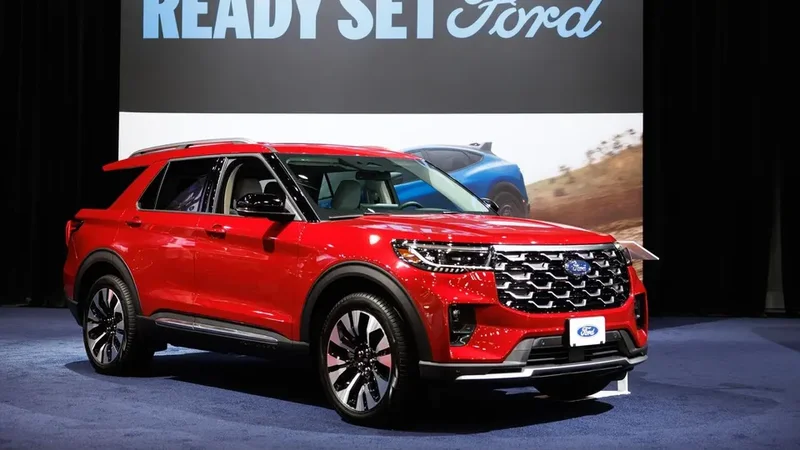
Ford on Tuesday issued a recall for nearly 80,000 SUVs over defective driver’s seats that could recline on their own, potentially pinning rear passengers, adding to a growing list of notices from the legacy automaker this year after an earlier recall for seats that could move unexpectedly and another for engine fire risks.
Key Facts
Ford’s recall covers Explorer and Lincoln Aviator vehicles from the 2026 and 2027 model years, after the National Highway Traffic Safety Administration found the driver’s seat could recline on its own without anyone sitting in it, according to a regulatory filing.
The unintended reclining can occur when a driver remotely unlocks or remotely starts the vehicle, and the resulting movement could pin a second-row passenger, increasing the risk of injury, regulators said.
Ford told the NHTSA that a fix is still under development and a schedule for notifying affected drivers has not been determined, though owners can contact Ford for possible assistance in the meantime.
There are no known reports of an accident or injury related to the defect, Ford said.
big number
- That’s the number of recalls issued by Ford in the U.S. this year, which is more than the next three automakers—Chrysler (24), General Motors (19) and Hyundai (17)—combined. Ford issued a record 153 recalls in 2025 involving 12.9 million vehicles, according to federal data. That again surpassed the next four automakers combined, including Chrysler (53), Forest River (36), General Motors (28) and International Motors (26).
key background
Ford has maintained its record-setting pace of vehicle recalls in 2026. Many of its notices include a smaller number of vehicles, including a recall of just 315 Aviator and Explorer cars over second-row seats that may move unexpectedly last week, while others cover hundreds of thousands, as a notice for 500,000 Bronco SUVs affixed with a wiring issue that could start a fire in the engine. Ford recalled more than 4 million vehicles in one of the largest-ever recalls in U.S. history, after notifying regulators that some of its top-selling F-series trucks had a software glitch. Another 1.4 million F-150s were recalled in April, after the legacy automaker said a defect may cause the vehicles to downshift unexpectedly.