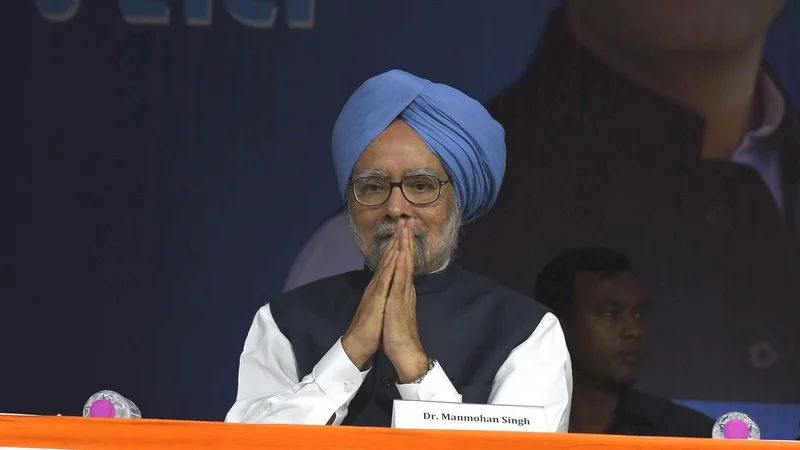
The Supreme Court on Wednesday (July 29, 2026) provided former Prime Minister Dr. Manmohan Singh posthumous relief by agreeing with two back-to-back closure reports filed by the Central Bureau of Investigation in 2014 giving him a clean chit, while highlighting there was no “sufficient material or good reason” to register a corruption case against him in connection with the coal block allocation scam.
A three-judge Bench headed by Chief Justice of India Surya Kant said the apex court would have ordinarily dismissed the case as infructuous solely on the ground of the demise of the appellant, however, the Bench said it had gone through the closure reports filed by the premier agency in the trial court, only to discover that the trial judge had no “compelling reason” to reject the premier agency’s closure reports and make adverse observations against the former Prime Minister.
Singh passed away in December 2024, but the case and the aftertaste of the adverse observations of the trial court continued to linger on.
Arguing the appeal on behalf of the former Prime Minister, senior advocates Kapil Sibal and A.M. Singhvi submitted that the Central Bureau of Investigation (CBI) had filed the closure reports as regards Mr. Singh in the trial court on August 27, 2014 and, subsequently, on October 21, 2014.
However, the Special Judge had turned down the closure reports and took cognisance against Mr. Singh. The trial court had also summoned the former Prime Minister on March 11, 2015.
Mr. Sibal submitted that the trial court took cognisance of the case against Mr. Singh without even waiting for grant of sanction.
“We find no compelling reason for the Special Judge to have turned down the closure reports by the CBI and take cognisance of the case… We allow the setting aside of the judgment and close the case on merits,” the court observed in a short order.
Singh, industrialist Kumar Mangalam Birla, ex-coal secretary PC Parakh and three others were summoned as accused by the Special Court in corruption allegations pertaining to allocation of Talabira-II coal block in Odisha in 2005.
Special Court had issued summons for offences under Sections 120B (criminal conspiracy) and 409 (criminal breach of trust by public servant, or by banker, merchant or agent) of the Indian Penal Code and the provisions of the Prevention of Corruption Act. The Supreme Court had intervened and stayed the summons.
Singh had consequently challenged the lack of sanction under the law for prosecuting public officials like him, and denied any criminality in his decision over the allocation of the coal block in question.
Published - July 29, 2026 01:48 pm IST