Prime Minister Sanae Takaichi is finalizing a plan to lower the consumption tax rate on food products from the current 8% to 1% for a limited two-year period starting next April, and is expected to make a formal decision as early as Thursday.
“We’ll urgently consider the policy to be adopted by the government and the ruling parties,” Takaichi said Wednesday at a meeting of the suprapartisan National Council on Social Security.
The move comes after the council’s working group failed to agree on funding measures for the proposed cut. The move faces opposition over concerns as to where alternative sources of funding will come from in order to cover the lost tax revenue.
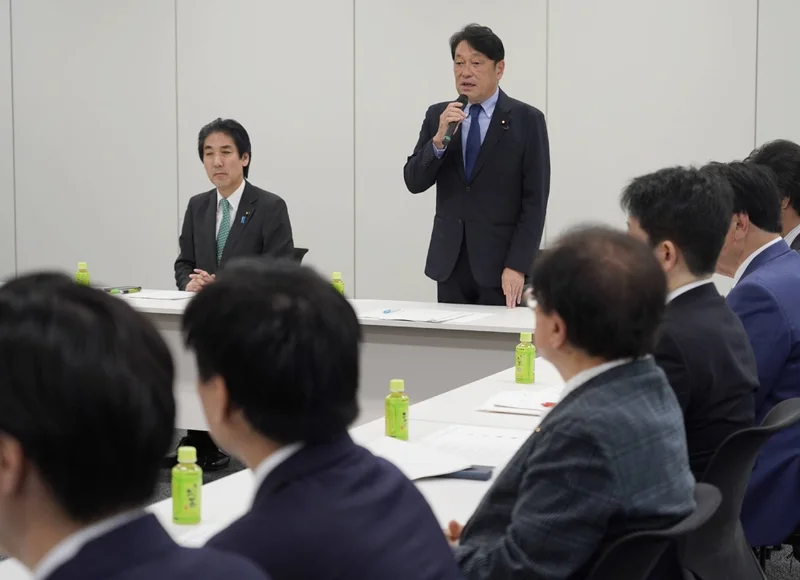
“Extensive discussions were to consolidate the different views. But no consensus was reached on concrete proposals,” said the working group’s chair, Liberal Democratic Party lawmaker Itsunori Onodera, after a separate meeting on Wednesday.
Takaichi is expected to OK the chair’s proposal based on the LDP’s plan as early as Thursday, which would involve taking steps to amend the consumption tax law. The aim is to have a formal government decision on the issue by early August.
Prior to the February Lower House election, the LDP pledged to accelerate consideration of temporarily reducing the consumption tax on food items to zero. The move is being positioned as a stopgap measure until a new benefit system for low- and middle-income households is introduced in 2029.
But the consumption tax is an important source of revenue for cash-strapped local governments as well as the national government, and cutting it has raised political concerns about how alternative funding would be secured.
The council has put forth a proposal that would launch the new benefit system beginning April 2027, which, combined with the lowering of the food consumption tax to 1%, would provide ¥600 billion annually and achieve a net-zero total consumption tax reduction, in line with the LDP’s campaign pledge.
The total cost of implementing this goal is ¥5 trillion annually. The plan is to cover it through a combination of other subsidy cuts and tax provisions and not issue government bonds, which would further drive up the national debt.
Some in the LDP have also expressed concern about the plan.
“Raising and lowering the consumption tax in a short period of time would cause significant economic disruption,” said LDP Upper House lawmaker Shoji Nishida following a meeting of the party’s tax commission Tuesday.