What you need to know
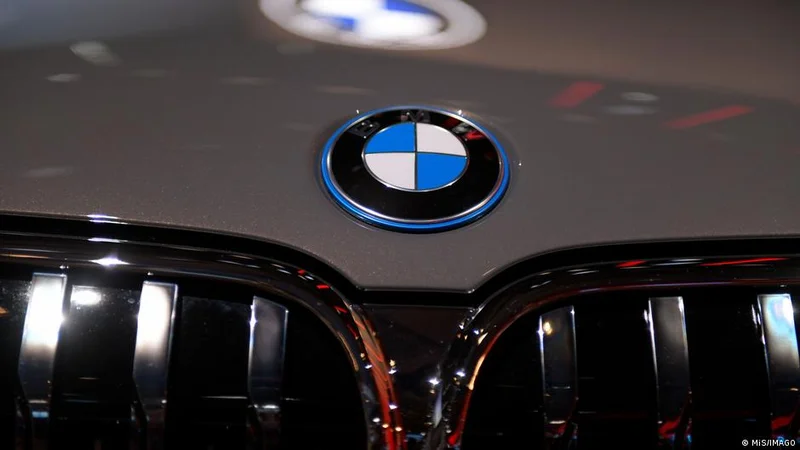
- The German automaker BMW intends to cut 8,000 office jobs
- The German government's cabinet reshuffle is expected to be formalized today
- Veteran goalkeeper Manuel Neuer says he will 'very likely' retire after the coming football season
Carmaking giant BMW to cut up to 8,000 jobs
BMW aims to cut up to 8,000 by the end of 2027, according to company sources. The German carmaker said the reduction would primarily target office jobs, while production line workers will be spared from cuts.
The Munich-based automaker hopes to achieve the cuts through natural staff turnover as well as a voluntary redundancy scheme. The latter would be aimed at all employees in Germany not directly involved in production, who could choose to accept severance packages in a period from October 2026 to the end of 2027.
The company currently employs 84,000 staff in Germany, and roughly 154,000 globally.
BMW is the latest German car company to announce job cuts, following similar moves by rival brands Volkswagen, Mercedes and Volkswagen-owned Audi.
Germany prestigious car industry is struggling amid stiff competition from Chinese carmakers, US tariffs, and narrower profit margins from electric cars.
BMW was long considered one of the sector's more resilient players. The planned cuts come after the company warned last month that its sales in China were falling sharply.
Lawmakers expected to endorse Merz's picks for new government ministers
Germany’s government is pushing ahead with a Cabinet reshuffle sparked by the resignation of conservative parliamentary group leader Jens Spahn.
After Spahn quit over a surrogacy scandal. Chancellor Friedrich Merz used the resignation to announce a series of top-level changes.
On Wednesday, members of the conservative bloc are meeting in a special session where they are expected to approve Merz's picks, including the choice of Thorsten Frei as a replacement to Spahn as the conservatives new parliamentary faction chief.
Later in the day, German President Frank-Walter Steinmeier will appoint a series of new ministers. Nina Warken is to take over as the chancellery's new chief of staff, while Carsten Linneman is to become health minister, and Steffen Bilger to take over as transport minister.
Merz has faced significant backlash in his own party for replacing Transport Minister Patrick Schnieder, who hails from Rhineland Palatinate, as other conservatives from the western German state protested the move.
Under Germany's constitution, incoming ministers are required to take an official oath before parliament, the Bundestag. However, with the Bundestag currently in its summer recess, the swearing-in is expected to take place only when lawmakers return in September 9.
Welcome to our coverage!
Temperatures are rising in Bonn once again as DW's online news team wishes you a *Guten Tag * and welcomes you to our latest Germany news blog.
BMW has said it intends to cut 8,000 jobs, as it joins a growing list of major German carmakers undertaking significant workforce reductions.
Meanwhile, President Frank-Walter Steinmeier is expected to appoint the new government ministers after the ruling coalition lawmakers confirm the candidates picked by Chancellor Friedrich Merz.
Follow us for these and other stories from Germany.