Over 300 cases: Dengue spike in Cebu prompts heightened monitoring
CEBU CITY, Philippines — Health officials of the Cebu Provincial Government are monitoring a spike in dengue cases this July, with more than 300 cases recorded in Capitol-run hospitals in recent weeks.
Dr. Jenina Canoy, provincial health officer, said the increase may be linked to persistent rains in the province, which can create conditions favorable for dengue transmission.
“It really spiked, considering that we’re already in the rainy season,” Canoy said in a mix of Cebuano and English.
Data from the Provincial Health Office (PHO) showed that 381 dengue cases were recorded across 25 localities over the past five weeks.
Canoy said the figures covered both outpatient and inpatient residents treated in Capitol-run hospitals.
The areas with the highest number of cases were:
- Toledo City,
- Barili,
- Talisay City,
- Consolacion,
- Carcar City, and
- Medellin.
Two deaths were also reported among patients from Consolacion and Compostela.
‘Not an outbreak’
While the increase has prompted closer monitoring, Capitol Piso Health Consultant Dr. Elisse Nicole Catalan said the situation does not constitute a dengue outbreak.
“It’s [a cause] of concern, but not an outbreak,” Catalan said. “We’re not here to cause panic or fear. But we reiterate that early detection and treatment saves lives.”
Catalan said informing residents about the increase gives households time to prepare, take preventive measures, and recognize when medical attention is needed.
READ: Rise in dengue cases in CV seen this summer — DOH-7
She added that municipal health officers are helping spread information in communities, while hospitals are preparing for a possible increase in patients.
Dengue fast lanes
One of the measures being strengthened is the Dengue Fast Lane system in all provincial and district hospitals.
The designated areas prioritize patients suspected of having dengue for assessment and laboratory testing, allowing doctors to determine their condition and start treatment promptly.
Health workers assigned to the fast lanes also monitor patients and provide families with guidance as treatment progresses.
Canoy said the system remains useful even for patients who do not need admission because dengue cases may require repeated laboratory tests and close observation.
READ: Dengue symptoms to watch out for
She added that hospitals maintain supplies of dengue test kits and accept referrals from Rural Health Units (RHUs) when testing kits are unavailable.
Bed capacity, meanwhile, remains available for patients who require hospital admission.
Canoy said the fast lanes operate throughout the year but are reinforced during the rainy season, when dengue cases typically increase.
“The numbers usually spike during this period. That’s why there’s a reactivation or strengthening of health teachings, [and information] dissemination inside hospitals about early detection and consultation,” she said.
Health officials are also working to maintain adequate blood supplies by conducting bloodletting activities and coordinating with groups such as the Philippine Red Cross.
“For dengue, you need different kinds of blood products,” Catalan said.
Other illnesses to watch
The Cebu PHO has also reminded residents that dengue is among several illnesses that require greater attention during the rainy season.
Waterborne diseases can spread through the consumption or use of contaminated water, while influenza-like illnesses may cause fever, cough, colds, sore throat, and body aches.
Leptospirosis is another concern because people can become infected after exposure to floodwater contaminated with rat urine or other contaminants.
Despite flooding in some areas of Cebu, particularly in urban communities, the PHO has not observed a spike in leptospirosis cases.
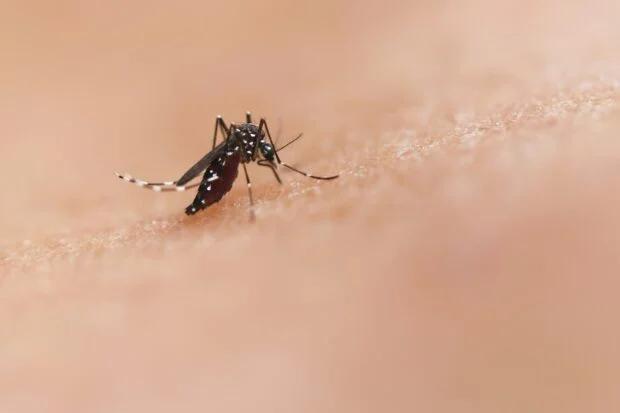
Dengue is spread by the Aedes aegypti mosquito, which can breed in containers and other areas where stagnant or collected water remains.
Health officials advised residents with fever, cough, weakness, vomiting, body aches, or unusual symptoms to seek medical consultation promptly.
Those experiencing possible dengue symptoms may also approach the Dengue Fast Lanes at provincial and district hospitals for assessment and appropriate care.
Disclaimer: The comments uploaded on this site do not necessarily represent or reflect the views of management and owner of Cebudailynews. We reserve the right to exclude comments that we deem to be inconsistent with our editorial standards.