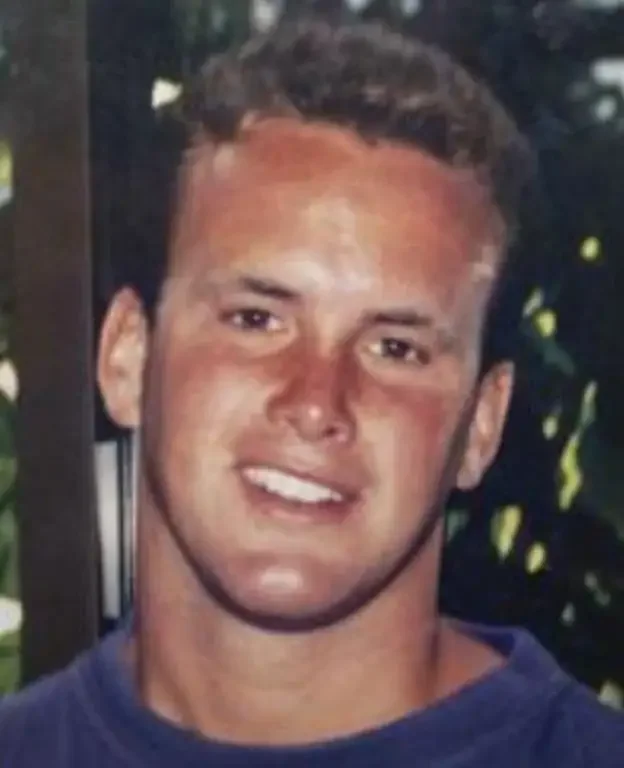
The family of a Toronto constable who was shot dead more than three decades ago and the police union are calling for reforms to Canada’s parole system after experiencing what they call “serious” issues ahead of the killer’s hearing.
Relatives of Const. Todd Baylis as well as the Toronto Police Association say they were given 20 days’ notice of an in-person hearing for Clinton Gayle, who is currently serving a life sentence at a minimum-security prison in British Columbia.
They say the Parole Board of Canada rejected their request to push back the hearing by four weeks to accommodate travel plans.
In a statement, police union president Clayton Campbell calls the board’s decision a “slap in the face” to Baylis’s family, his injured partner and the Toronto force.
Baylis’s brother, Cory Baylis, says in the statement that the parole system prioritizes offenders over victims, and he and his family “deserve better.”
They have written a letter to Prime Minister Mark Carney, calling for reforms including “immediate guidance” to the parole board pending legislative changes to accommodate requests made by victims and ensure they’re given adequate notice to participate in hearings.
Get breaking National news
The police association has also shared those calls on X and other social media platforms.
Other reforms sought include the creation of a separate parole system for people convicted of serious offences such as first-degree murder to increase parole ineligibility from 25 to 35 years, as well as extending the time between parole hearings from 18 months to five years.
According to the Toronto police website, Todd Baylis and his partner, Michele Leone, were chasing down a drug trafficking suspect in June of 1994 when the suspect fired back at Baylis, hitting him in the head. Leone was also shot and injured, the union’s statement said.
Clinton Gayle was found guilty of first-degree murder and attempted murder and sentenced to life in prison with no parole eligibility for 25 years.
He has appeared before the parole board three times over the years and is now seeking day parole, the police association said. The hearing is scheduled for Thursday, it said.
The parole board said it is committed to facilitating “meaningful” participation of victims in the parole process. The board must also respect procedural fairness, it said, and hearing dates “may also be affected by requests from the offender to postpone, waive, or withdraw their review.”
The board said it notified victims in the case in January. Since the board had previously rejected Gayle’s bids for day and full parole, the matter could be dealt with through a file review rather than an in-person hearing, it said.
“A hearing may be ordered if, following a review of the case, a board member determines that one is necessary,” it said in a statement. It was later decided that a hearing was warranted, it said.
“Once a discretionary hearing has been ordered and scheduled, the PBC notifies registered victims as soon as possible to provide sufficient time for them to make arrangements to attend or observe the proceeding, in-person or via videoconference,” it said.
“The PBC provides this notice to victims while ensuring it meets the legal timelines that govern its decisions and processes.”
The police union’s statement said they were informed of the file review in January and an appeal was filed for an in-person hearing the following month, with followups in March and April.
The association said it was told July 10 that the hearing would take place on July 30, with victim impact statements due on July 16.