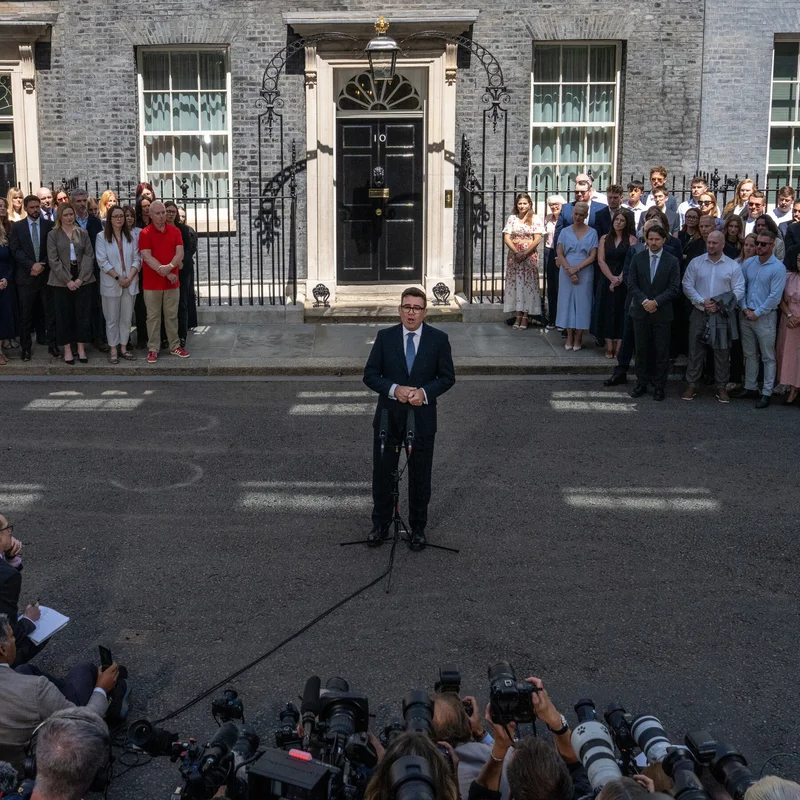
Prime Minister Andy Burnham of Britain announced on Tuesday the elimination of value-added taxes on electricity, saying that the change would save households the equivalent of about $60 this year at a time of volatile energy costs.
The move, coming on Mr. Burnham’s second day in office, seemed intended to demonstrate his commitment to tackling high prices in Britain. That issue was central to the anger and frustration that many people cited when asked about Mr. Burnham’s predecessor, Keir Starmer, who announced his resignation last month.
In a statement, Mr. Burnham said that he wanted “to give people breathing space.”
“We’re taking immediate action to cut taxes on energy bills, put more money in people’s pockets and bring back hope,” he added.
Even as Mr. Burnham tries to address concerns about inflation, he is under pressure from the bond market not to add to Britain’s public debt. Political opponents have already accused him of wanting to raise taxes to pay for new government spending.
Aides said on Tuesday that the cut in electricity taxes would be paid for by scrapping Mr. Starmer’s plan to create a national digital ID card. They said the government would save about $2.4 billion by abandoning the idea, which was devised to curb illegal migration.
But Darren Jones, one of Mr. Starmer’s top allies who was fired from the cabinet by Mr. Burnham on Monday, wrote on social media on Tuesday that the digital ID program was “unfunded.”
We are having trouble retrieving the article content.
Please enable JavaScript in your browser settings.
Thank you for your patience while we verify access. If you are in Reader mode please exit and log into your Times account, or subscribe for all of The Times.
Thank you for your patience while we verify access.
Already a subscriber? Log in.
Want all of The Times? Subscribe.