So far this year, a total of 173,651 hectares has been burned in wildfires across Spain. That's six times more than in during the same time period in 2025, showing that the incendios forestales (forest fires) are getting worse every year, fuelled by heatwaves and climate change.
If you live in a rural area in Spain or even in a residential complex close to the countryside, your property could be at risk from blazes. Homes in towns and villages in the countryside could also be at risk.
If you’re worried about your home during the summer, there are several things you can do to help protect it against forest fires.
READ ALSO: What to do and what to avoid if you see a wildfire in Spain
While following this advice won’t ensure that your home doesn’t get damaged, it could mean that it is better protected and fires won't spread as easily.
If you live in an at risk area and have a garden, it's particularly important you take steps to protect your home.
We've gathered together advice from Navarra firefighters, the regional government of Catalonia and Tecnifuego, The Spanish Association of Societies for the Protection Against Fires.
-
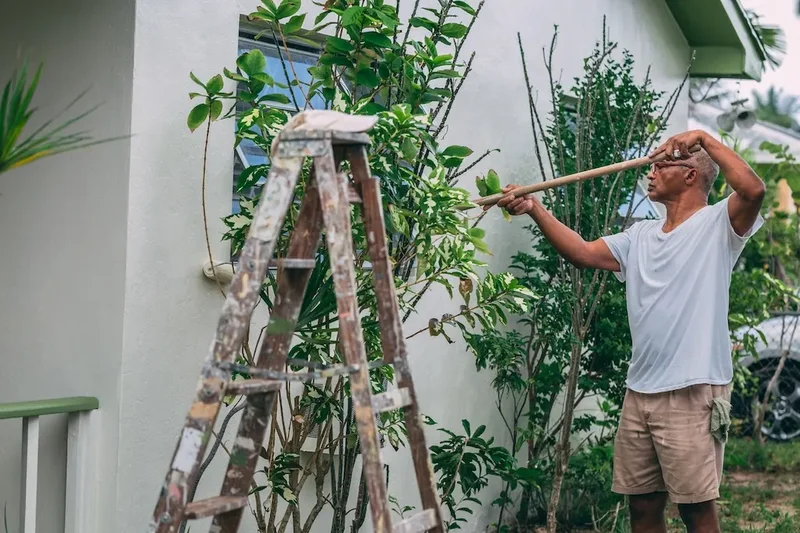
Keep a clear perimeter of 10 metres around your home, free from tall plants and branches, which could catch alight easily.
-
Make sure to clear dry vegetation from rooftops and gutters and check them regularly.
-
If possible, keep vegetation at least 30 metres away from the property, completely separating the house from wooded areas to create a type of fire break.
**READ ALSO: As wildfires grip France and Spain, what are the health risks from smoke? **
-
Secure gas cylinders, combustible materials and wood chips in safe areas away from the property in a separate area which is not attached to your home.
-
Keep flammable vegetation away from the house like cypress hedges, dry trees and reeds. Replace them with other plants that are more resistant to fire, take a long time to burn and can act as a barrier. These could include deciduous trees and succulents like agave or aloe vera.
-
It’s recommended to have at least 6 meters between trees in your garden and ensure that branches don’t touch each other. Protect and secure your chimney, so that sparks can’t enter through it.
-
Avoid using candles and lit torches in your garden during the summer. Yes, they do look pretty, but it's just not worth the risk in summer as sparks could ignite dry plants or grass and start a fire.
-
Ensure you have several irrigation hoses available that can surround your entire property.
**READ ALSO: Do home insurance companies in Spain cover fires? **
-
Install automatic fire detection and alarm systems, which are connected to a fire monitoring centre so that it can transmit data to the emergency to the fire services, even when you are not home.
-
Have one or more fire extinguishers available. In the event of a fire, you may be able to stop it spreading to other areas by using an extinguisher.
-
Install an automatic sprinkler system to extinguish any fire that may start inside.
-
Use building materials with good fire resistance for the roof, facade, and structure of the property. If your home is made of flammable materials such as wood, ensure to re-apply fire resistant coatings on the outside of your home regularly.
-
Protection should be extended to adjacent areas, such as storage sheds, workshops, garages, barns, and stables as fires can easily spread from these areas too.
-
Have a plan in place and store particular valuables and important documents in fire-resistant folders or boxes.