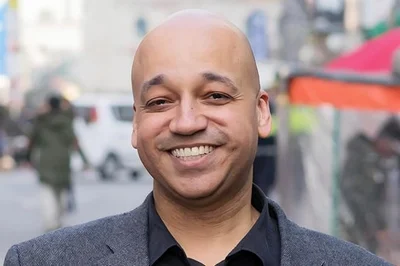
Over 13 years and more than 1,000 forums. That probably is close to the number of talks I took part in, either speaking or moderating for North Korean refugees speaking with travelers, university and high school students, businesspeople, housewives and so on. As I have written in the past, almost all of the sessions have been lovely. There are often tears, hugs and lots of praise for the North Korean refugees and our organization.
Are you still reading? Negativity sells much better than positivity. Today I will talk about one of the main problems with some of the forums: superficial comments by attendees based on a 60 to 90 minute group engagement with a North Korean refugee.
To be clear, it isn’t only with attendees at our events. A big problem in this world is people thinking they can read the minds of others or making superficial judgments about others.
To those who will claim I am doing the same thing, I have moderated and spoken at more than 1,000 forums. This is the first time I am saying this publicly after more than a decade of observation.
I thought about this after North Korean refugee Kim Jeong-kook gave two speeches last week. When he first began public speaking a few years ago, several travelers said he was aloof. Perhaps because I got to talk to him off-stage, I knew he wasn’t. In a feedback session, I told him about the comments. Reflecting on it, he said, “I’m not aloof. I’m shy.” I told him the people commenting may not be logical, but speakers should still consider the negative observations of attendees.
I have thought about asking audiences to withhold their snap superficial judgments, but it might come off as defensive. I let it go and will correct people, when necessary, after they ask (which is rare). One particularly bizarre case happened in 2015 when I was on a trip to the U.S. with a North Korean refugee. I heard some women gossiping after the event about the speaker. They questioned how a North Korean refugee could afford such an expensive manicure.
I checked with the speaker. It turned out that a fellow North Korean refugee who ran a nail salon gave her special service. I corrected the main gossiper, but she still insisted it was suspicious.
North Korean refugees who are fashionably dressed are often deemed as not being “authentic.” A few attendees told me point-blank that they expected North Korean refugees to be shabbily dressed. Didn’t it make sense, I asked, that North Korean refugees would be dressed nicely when engaging in public speaking?
The snap judgments don’t stop at North Korean refugee speakers. I have heard negative feedback about myself. Such as, the way I sit. I have been criticized for allegedly leaning back too far. In another case, one person complained about me crossing my legs. There have been complaints about me typing on my phone or iPad. They don’t know that I am usually taking notes about the speaker to give feedback to them later or taking precise notes to build an FAQ about each speaker.
In some cases, attendees complained that a speaker looked at me to confirm vocabulary words. A few attendees have accused me of telling North Korean refugees what to say. I responded by explaining our process of empowering North Korean refugees, but some continued to insist there was something shady going on.
I will never forget the attendee who said I looked “too big” sitting next to a diminutive North Korean refugee woman. Or the one who said I “smiled too much.” Too big, too friendly. I have even heard that attendees have asked organizers why a Black American was so interested in North Korean refugees. I may not have heard it all, but I have heard plenty.
The complaints often aren’t logical, but to avoid distracting from the North Korean refugees, I now get off stage after I do the introduction.
When I hear such negative comments from attendees, I am reminded of the influential South Korean who warned me a decade ago that the more public I am, the more criticism I could expect.
It makes me appreciate those of you who support our work and the numerous accolades I have received over the years,
Every once in a while, we run into people who see the worst about a North Korean refugee opening up personal details to strangers, and see something sinister about my role in being a major player in making it happen.
Casey Lartigue Jr. (CJL@alumni.harvard.edu) is the co-founder of Freedom Speakers International with Lee Eun-koo and the co-author with Han Song-mi of her memoir "Greenlight to Freedom: A North Korean Daughter’s Search for Her Mother and Herself."