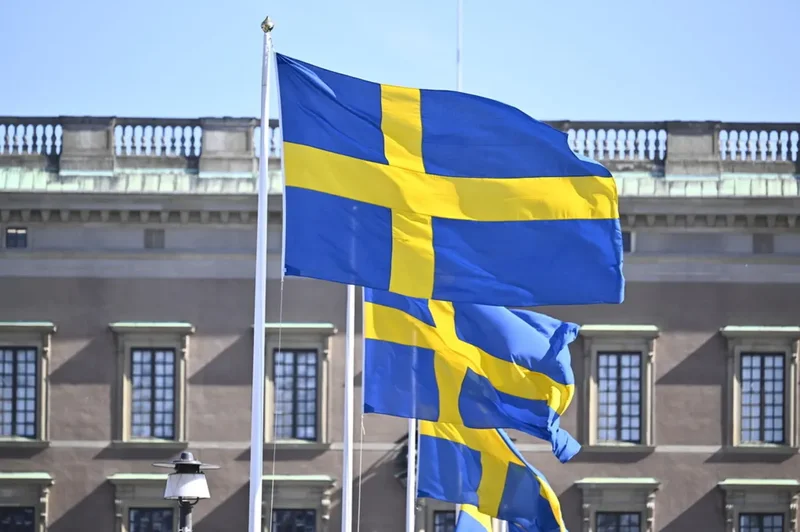
Several Swedish political parties have said that this year they invested in attracting the Swedes abroad voter group, which has previously had a low turnout.
The Sweden Democrats, for example, have targeted Swedes on the Spanish Costa del Sol, and both the Moderates and the Green Party have campaigned in London.
Swedes living abroad number around 220,000 people and the group is said to be able to decide elections. But this is mainly because some votes from abroad are only counted after election night – not because the voting group itself is large enough to usually be decisive.
According to Henrik Ekengren Oscarsson, professor of political science at the University of Gothenburg, the Swedes living abroad are a relatively small group, with only around 30 percent voter turnout.
"It's a very diverse and special group. It's everything from tax refugees to students," he said.
He estimates that there will be around 70,000–80,000 votes from Swedes abroad in this year's election.
The reason why attention is still being directed at Swedes living abroad is primarily that some of their votes are counted last, he said.
"They are part of the mandate ping-pong that may occur after the election. But they go into a very large pile of votes that also includes late-arrived early votes from Sweden."
There is no current data on how Swedes abroad vote because their votes are not reported separately. The most recent survey, from 2014, showed that they vote more to the right than the average voter. But Ekengren Oscarsson believes that it is not a particularly large majority.
The most recent election, in 2022, was the third closest election in Sweden's democratic history, according to Oscarsson. The Tidö parties ultimately won by around 46,000 votes over the red-greens.
"In such a very, very close situation, one could point out that it was the overseas votes that tipped the scales. But it is usually not that close," Oscarsson said.
He added that it is probably much more important how other groups, such as families with children or first-time voters, vote.
"There are over 400,000 first-time voters. That's many times more than the votes we expect from abroad."