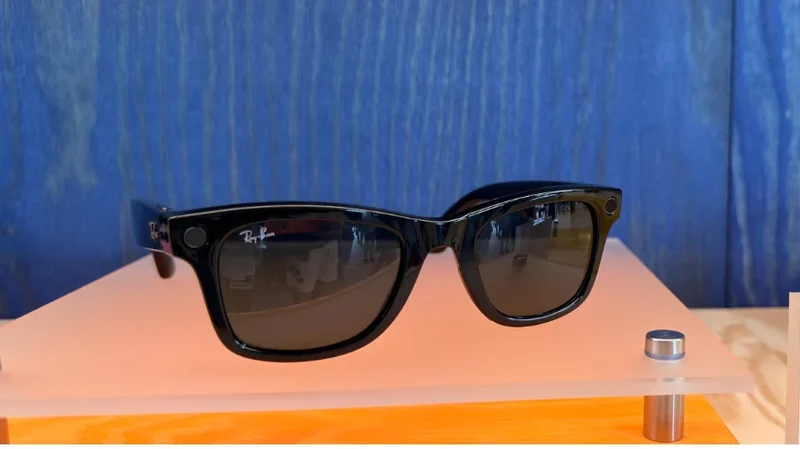
Meta’s answer to the “pervert glasses” problem was a small light. It switches on when the camera records, to warn anyone nearby. A sticker costing a couple of dollars switches it off.
Engadget’s Karissa Bell tested the workarounds now on sale, cheap LED-blocking stickers marketed as “privacy” accessories. One kit cost $16.99 for a dozen. On her second-generation Ray-Ban Meta glasses, worn outside, the recording light was undetectable. It never tripped Meta’s tamper warning.
That is the clever, ugly part. Meta pushed a mandatory update that disables the camera if the LED is physically broken. The stickers do not break it. They leak just enough light to fool the sensor, so no alarm fires, and it is hard to trace who is hiding the light.
The crackdown was already failing
The stickers arrive weeks after Meta announced a ban on people filming themselves harassing strangers with the glasses. It is not biting. An Oligarch Watch investigation, surfaced by Futurism, still found hundreds of such videos live on Meta’s platforms.
Many come from “pickup artists” who accost women in public and rate their bodies on camera. One account has posted dozens of clips since the ban. Another creator, with more than 500,000 followers, draws millions of views insulting women’s weight in the street. In one clip, a man films a girl who tells him she is 17.
Some flagged accounts came down after the report, a drop in the ocean. Instagram boss Adam Mosseri had promised to crack down “every way we can.” Meta now says it is exploring ways to detect tampering, will pull the listings that sell it, and will ban repeat offenders.
A device that watches its own users, too
The recording light is not the only worry. Meta’s glasses have exposed the people wearing them. Contractors reportedly reviewed intimate footage captured by the devices, and Meta uses some clips to train its AI. Its facial-recognition plans have alarmed US lawmakers and privacy groups.
Rivals face the same bind. Apple has reportedly agonised over whether to fit a camera at all, wary of the creepy label. Building a face computer that people trust is proving harder than building one that sells.
None of it is denting sales
Because the glasses are selling. Revenue from smart glasses nearly doubled year on year in the second quarter, according to Ray-Ban maker EssilorLuxottica, first reported by Gizmodo. Meta shifted roughly 7 million pairs in 2025. The backlash is loud. The sales chart is louder.
The pushback does have a punchline. DuckDuckGo has released $35 sunglasses with no camera, no microphone and no AI, billed as “anti-surveillance eyewear.” They join a small run of camera-free glasses. For now, the glasses that record and the glasses that pointedly refuse to are both booming.
Get the TNW newsletter
Get the most important tech news in your inbox each week.