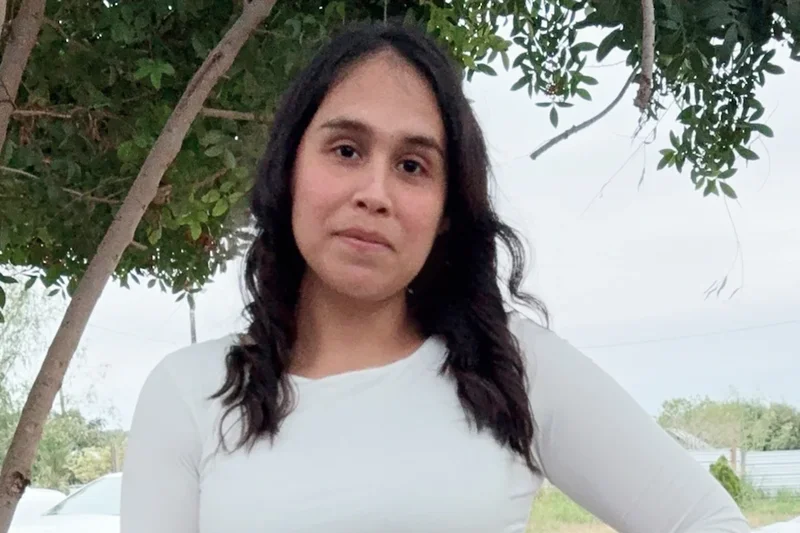
A Texas mother legally permitted to reside in the U.S. under the DACA program has launched a federal lawsuit after she was deported then had her DACA status revoked.
Jessica Treviño, 34, was sent back to Mexico and later informed that her DACA status would be terminated due to "unauthorized travel" – a direct consequence of her forced removal.
Treviño and her husband were arrested in December after federal agents followed them and two of their daughters into a Home Depot parking lot in South Texas. Both were deported and are living in Matamoros, Mexico, just south of Brownsville, Texas. Their three children, all U.S. citizens, are living with family on the U.S. side near the border.
Brought to the U.S. at age seven, Treviño received DACA status at 20, a program introduced in 2012. While DACA does not grant legal status, it has enabled hundreds of thousands of individuals who arrived in the U.S. as children to temporarily remain and secure work permits. Recipients must maintain a clean criminal record and are prohibited from traveling outside the United States.
Treviño’s attorney, David Rozas, filed the lawsuit this week, seeking federal judicial intervention. He highlighted that Treviño’s DACA status and work permit were most recently authorized until April 2027.
Last week, U.S. Citizenship and Immigration Services issued a notice of intent to terminate her status, citing "unauthorized travel outside of the United States on or about March 25, 2026." This date precisely matches the day she was deported by the Department of Homeland Security.
In a statement, DHS asserted that Treviño’s husband was in the country without permission and driving when they were arrested following a collision between their vehicle and an unmarked Homeland Security Investigations car. DHS claimed she "knowingly accepted voluntary departure and waived appeal. She left the U.S. on March 25, 2026, and will NOT return."
However, Treviño told The Associated Press that she did not sign any forms at the U.S. Immigration and Customs Enforcement (ICE) detention facility and had no desire to be deported.
Her lawyer’s petition asks a federal judge in Brownsville to declare her expulsion unlawful, mandate the government facilitate Treviño’s return to the U.S., and ensure her DACA status remains valid.
"The government had no lawful basis to remove her, and we filed this petition to demand she be brought back home," her attorney stated.
An immigration judge under the Justice Department had issued a voluntary departure order for Treviño in February while she was in ICE custody. However, a valid DACA status typically prevents the Department of Homeland Security from deporting recipients.
"I would be so blessed to be able to go back home, because that’s what I long for most right now. I’m really desperate. It’s been seven months since I’ve been home," Treviño said Thursday, expressing her wish to be with her children when they start school next month.
According to a DHS letter sent in February to Democratic Senator Richard J. Durbin of Illinois, the administration at the time deported 86 DACA recipients and arrested 241 others. Advocates for DACA recipients view Treviño’s deportation as part of a wider trend.
Todd Schulte, president of FWD.us, a policy organization defending immigration rights, commented: "This is what a deliberate, systematic effort to destroy DACA looks like in practice: target recipients one by one, manufacture justifications after the fact, and leave their children to grow up without them."