When the iconic tourism campaign Incredible India first appeared in the early 2000s, it marked a clean break from the India the world thought it knew. Gone were the familiar clichés of snake charmers and peacocks. In their place was a country presented through design and culture, and tourism eventually became one of India’s most recognisable expressions of soft power.
Now more than two decades later, the campaign is being asked to do something far more ambitious. It must sell an India that competes not only with other destinations, but with algorithms, travel creators, boutique experiences and an increasingly crowded global tourism market. That ambition sits at the heart of Incredible !ndia by IndiGo, a new public-private partnership between the Ministry of Tourism and the airline.
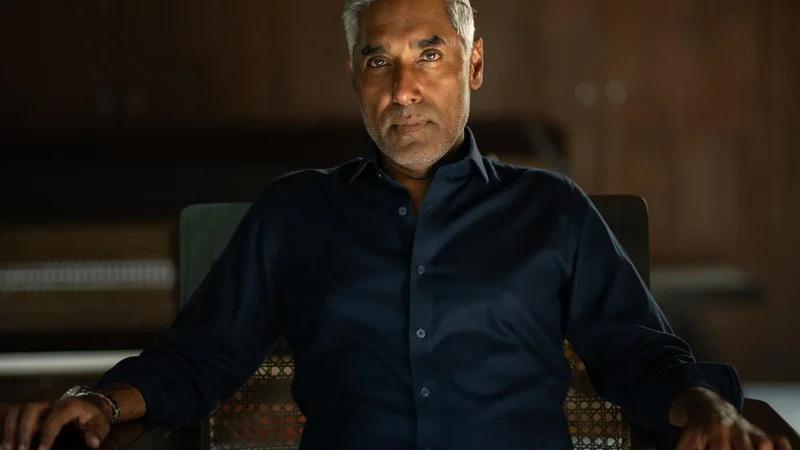
“In the beginning, when we started, it was purely a brand-building exercise to establish the words Incredible India. Slowly, it became a platform and went beyond a typical tourism campaign. We took that platform to cities like New York and Berlin, where people experienced India through food, art, culture and business,” says V Sunil, one of the creative minds behind the original Incredible India campaign and now part of the team behind Incredible !ndia by IndiGo.
If the original Incredible India campaign succeeded by moving the country’s image beyond the familiar clichés, Sunil believes India itself has evolved just as dramatically over the past two decades. Once defined largely by its monuments, wildlife and cultural heritage, the country’s tourism offering has expanded in the recent past. “One of the good things that’s happened in the last few years is the rise of cultural experiences. You can see tourism increase when events like the Kochi-Muziris Biennale or the Jaipur Literature Festival happen,” he adds.
Unlike the original Incredible India, which was driven largely by the government, the new campaign places an airline at the centre of the conversation. Over the coming months, Incredible !ndia by IndiGo will appear across the carrier’s international network, from destination films and in-flight programming to digital campaigns, encouraging overseas travellers to look beyond India’s most recognisable landmarks and destinations.
Reimagining the visuals of the campaign was only one part of the exercise. The way destinations are marketed has also undergone a fundamental shift over the past two decades. Where tourism boards once led the conversation, today’s travellers are influenced by airlines, boutique hotels, creators, online booking platforms and social media. For Sunil, that has fundamentally changed how a national brand is built. “We can’t do the same old things anymore. So how do you keep it rooted while bringing in new technology and new partnerships? A brand cannot evolve on its own anymore. It needs partnerships, people and an edge. Collaboration is definitely the model now,” says Sunil.
He reiterates that if the original campaign sought to reshape perceptions of India, the latest iteration continues to do so by leaning into what he believes has always been the country’s greatest strength. “The word ‘incredible’ works very well for our kind of country. India is multicultural, multilingual and diverse. That one word really holds it all together,” he says.
It is an interplay of image and emotion that, Sunil believes, gives the campaign relevance. Whether through a centuries-old monument, a meal shared with strangers or the quiet rituals of everyday life, the objective is not merely to showcase destinations but to evoke a feeling of India. “In the right hands, the reflection of India becomes beautiful,” he says, pointing to filmmakers such as Wes Anderson, whose work has drawn inspiration from places like Rajasthan.
Every campaign that invites more people to discover a destination must also contend with a difficult question: how much tourism is too much?
India is hardly alone in confronting the pressures of overtourism. From Venice’s visitor taxes to Bhutan’s Sustainable Development Fee, countries around the world are experimenting with ways to balance economic gains with environmental and cultural preservation. Sunil believes India will eventually have to find its own equilibrium.
For all the conversations around branding, storytelling and soft power, Sunil returns repeatedly to a simpler truth: a campaign can shape perceptions, but it cannot solve every problem. Asked what one change would make India genuinely more welcoming for international travellers, his answer is immediate. “A cleaner country.” Everything else, he believes, will follow.
Published - August 01, 2026 04:14 pm IST