Govt to spend $500,000 on environmental impacts probe into Whanganui's Balgownie Landfill
.
The government is to contribute about a half-a-million dollars to help investigate the environmental impacts of a former Whanganui landfill that operated for more than 40 years.
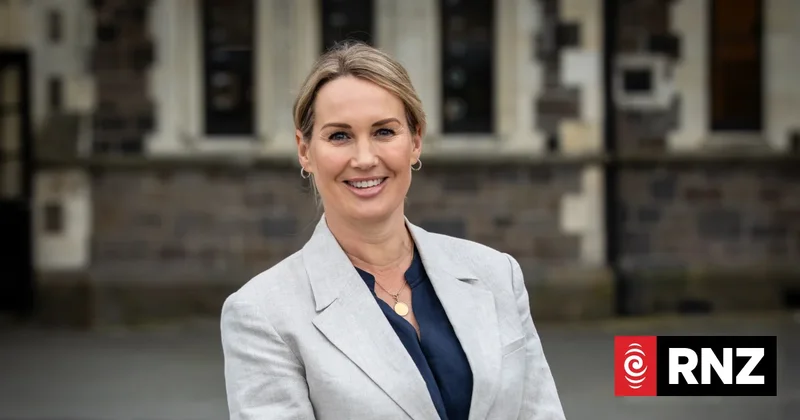
Minister for the Environment Nicola Grigg announced the project.
"The allocation of $464,000 from the Contaminated Sites and Vulnerable Landfills Fund, combined with funding from the Whanganui District Council, will enable a comprehensive investigation and assessment of remedial actions of the former Balgownie Landfill," Grigg said.
The landfill operated between 1956 to 1995, with parts of it operating a further six years to 2001. Like many of the nearly 3500 former landfill sites across New Zealand, it was developed before modern environmental standards were introduced.
Grigg said the former landfill, next to the Kokohuia Wetland in the Castlecliff and Gonville area of Whanganui, did not have several features associated with modern landfill containment and risk management.
"This investigation will give us a complete picture of how any contamination and leachate from the site may be affecting surrounding waterways and wetlands, and what long-term options may be needed to protect the environment.
"This work will complement significant community-led restoration work already underway, including the Kokohuia/Titoki Wetland project.
Grigg said the investigation was an important first step in exploring ways to further restore the area's cultural and environmental values, and reflected a collaborative approach between Whanganui hapū, Mokoia Catchment Rōpū, Whanganui District Council and central government to secure long-term environmental benefits for Te Awa Tupua/the wider Whanganui Catchment.
Whanganui Mayor Andrew Tripe welcomed the funding which was in addition to $310,000 council was putting up.
"This investigation is about getting the facts. Before we make decisions about the site's future, we need to understand its condition and how it relates to the surrounding environment.
"Like many people who grew up in Whanganui, I have memories of visiting Balgownie as a kid and hunting for treasure. Looking back, I realise how much our understanding of waste and its impacts has changed over the years.
"While we can't change how things were done in the past, we can do our best to manage the site responsibly into the future. These investigations will help us do that."
Tripe said people could still visit the site.
"You can walk on it and it's accessible, but as far as what can be done on it is unknown. Obviously, there'll be methane gas sitting underneath it, which is an accumulation over the time since it closed.
"That's very common with landfills or retired landfills. At the end of the day, it's about, understanding what's going on top of the ground, but more importantly, what's going on underneath the ground."
He'd previously suggested putting solar panels on the land before being alerted to the possible dangers.
"Apparently even digging beneath there could be seen as dangerous, and it's kind of like potentially, you know, putting a pin in a balloon and it goes pop. So, we just don't know what's gonna happen, and that's what the investigation is about."
Mokoia Catchment Rōpū chair Ken Mair said understanding the landfill was important for the wider catchment.
"The waterways and wetlands in this area flow through to Te Awa Tupua, so this work is an important step toward improving the health of the Awa and surrounding environment.
"Looking at future options for the landfill will support a broader programme of work focused on the well-being of whānau, whenua and the river."
The project, which had a total cost of $774,000, started in June 2026 and was expected to be completed by October 2027.
Contaminated Sites and Vulnerable Landfills Fund was administered by the Ministry for Cities Environment Regions and Transport, and supported councils and agencies to reduce risks to human health and the environment posed by legacy contaminated sites and vulnerable landfills.
Since 2024, it had allocated $21 million to seven projects.