From gendered sacrifice to ancient politics: DNA lifts shroud on early Chinese civilisation
New analysis reveals the Shimao people were a distinct civilisation that evolved locally in a small region over centuries
Thousands of years ago, a handful of burgeoning civilisations were forming the earliest cultures of what would evolve into China.
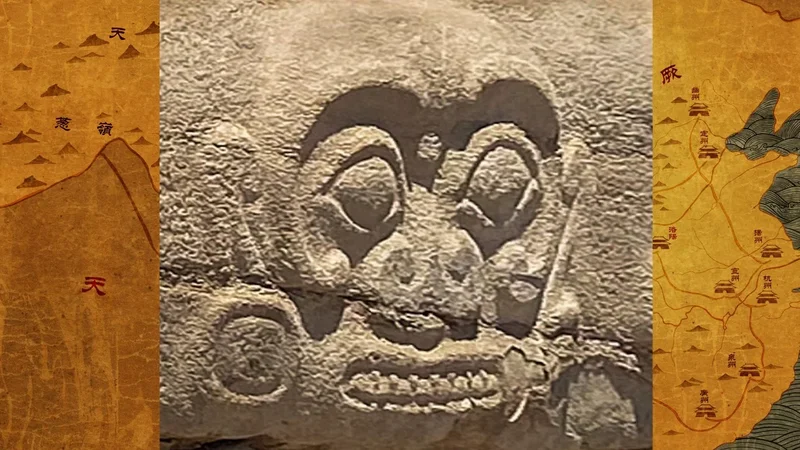
Among these peoples were the Shimao, who constructed majestic walls that were mistakenly believed to be part of the Great Wall of China until jade artefacts were discovered, dating the infrastructure to be much older.
The Shimao inhabited Shaanxi, in central China, between 2300–1800 BC, a period so remote that traditional archaeology faces limitations in uncovering the specifics of who they were and where they originated.
However, recent technological advancements, such as sophisticated DNA analysis, are enabling modern researchers to paint a more detailed portrait of the first people to settle in China.
One such study, recently published in the peer-reviewed journal Nature, made a shocking discovery of clear evidence that the Shimao people routinely practised human sacrifice based on a gendered belief system.
It appears that women were sacrificed at different locations, presumably for varying reasons, than their male counterparts. For instance, male sacrifices were concentrated around an eastern gate, while female sacrifices occurred near elite cemeteries.