From the moment the race started, my hamstrings began to ache — a dull throbbing that I knew could derail my run.
Just hours earlier, I had woken to an overcast May morning feeling excited to run the Cape Town Marathon. My lungs were strong, and my legs felt lighter than they had before any of my 15 previous marathons. My goal seemed possible: to run the race in 2 hours 50 minutes, more than seven minutes faster than the personal best I had achieved 14 years earlier, at 29.
My attempts to better that time over the years were mostly derailed by leg cramps. No gel, electrolyte drink, potato or salt packet could prevent those crippling moments in races, when it felt like someone was playing tug of war with my hamstrings.
As I reached my 40s, though, I began doing the little things that my younger, more athletic self ignored. I strength trained, foam rolled and stretched more frequently. I gave my muscles more time to recover. I slept more. I ran faster than I expected.
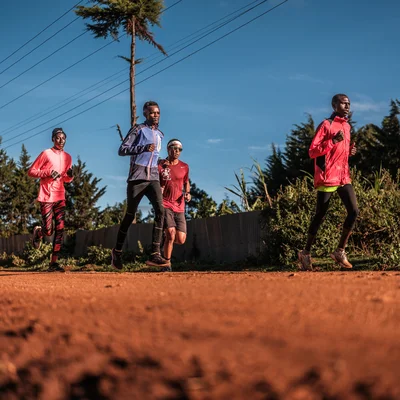
But I had cramped throughout the final 13 miles of the last marathon I raced, in November. I didn’t know how else I could improve at that point. A friend suggested training in Iten, a Kenyan village in the Great Rift Valley, which has produced some of the best marathoners in the world. I spent a week running there in April.
Now as the niggling in my hamstrings so early in the race began to worry me, I thought back on that training. If I wanted to hit my target, I would need to channel the skill I had not known was so crucial to those runners’ success: their mind-set.
We are having trouble retrieving the article content.
Please enable JavaScript in your browser settings.
Thank you for your patience while we verify access. If you are in Reader mode please exit and log into your Times account, or subscribe for all of The Times.
Thank you for your patience while we verify access.
Already a subscriber? Log in.
Want all of The Times? Subscribe.