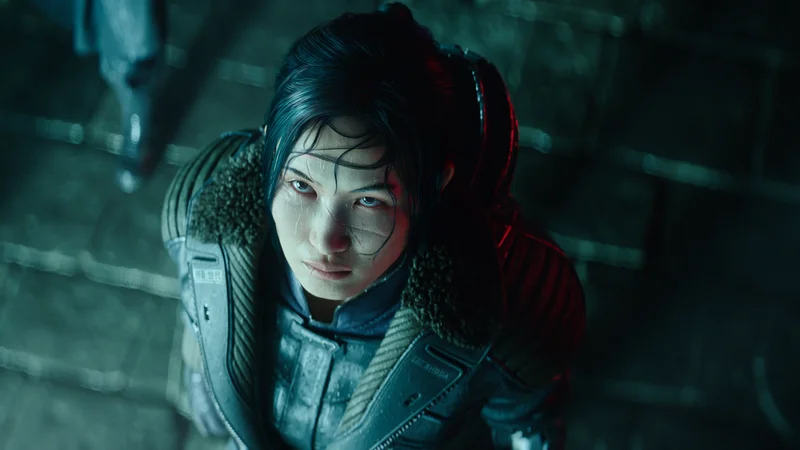
A new report details the troubled development history of Last Sentinel, a cyberpunk competitor to Grand Theft Auto that has failed to come together at Tencent's Lightspeed LA studio after six years.
The Tencent-owned Lightspeed LA revealed Last Sentinel in 2023, describing it as an ambitious open-world AAA game at the time. Troy Baker was even involved as the game's performance director. On July 28, after years of mostly silence regarding the project, Lightspeed LA confirmed on LinkedIn that it had laid off developers as part of a shift in direction for Last Sentinel following "extensive internal reviews and play-testing." Then, a report detailing its rocky development emerged.
On July 31, Bloomberg delved into the struggles faced by the Japan-set dystopian open-world game. Its investigation affirmed that Last Sentinel was seen internally at Tencent as a cyberpunk answer to Grand Theft Auto, but ultimately proved too complex for the newly formed Lightspeed LA. This game had a much smaller staff than a game like Grand Theft Auto 6, and the studio leadership's management style was described as "polarizing."
Last Sentinel ultimately floundered in development for six years. During that period, it was delayed several times, missed internal deadlines, and cost Tencent hundreds of millions of dollars. During a playtest earlier this year, it still received mostly negative feedback. While the team worked on an improved demo until July, that also failed to impress Tencent executives. In turn, Lightspeed LA laid off 80 developers.
While Lightspeed LA's official statement claims that Last Sentinel is still in the works after changes to its "creative and development direction," Bloomberg's report seemed unsure that even Lightspeed LA fully knows what direction the game will take next. It likely won't be a Grand Theft Auto-like open world sandbox, though.
As such, it's not too surprising that Lightspeed LA is still not ready to share a release window for this new version of Last Sentinel.