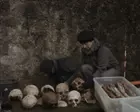
Perched on the Sierra de Guadarrama mountain range overlooking Madrid is the Valle de los Caídos, a colossal memorial site constructed under the Franco regime. Supposedly a symbol of atonement and reconciliation, it has been criticised as an emblem of fascist glorification; it was where Franco was buried until his exhumation in 2019. There are, however, tens of thousands more bodies are trapped inside; in the aftermath of the White Terror, the corpses of those executed under the dictatorship were clandestinely removed from mass graves and deposited in the monument’s crypt. Both thought-provoking and heartwrenching, Manuel Correa’s documentary follows three grieving families and their fight to rescue their loved ones from this horrifying limbo.
Here, architecture emerges as a means of oppression. Through examining various construction blueprints, the film lays bare how the crypt was specifically designed for maximum inaccessibility. The bodies of the victims were meant to languish, hidden away, in perpetuity, as does the evidence of the dictatorship’s barbarity. To combat these efforts to bury history, Correa founded the Office of Documentary Research, where activists, geographers, and architects wade through the fog of secrecy with state-of-the-art technology.
In their hands, architectural tools are a path to liberation, as activists use forensic devices to counteract governmental delays in exhumation and retrieval. Using digital maps and 3D renderings, the clinical presentation of their work makes for a staggering contrast to the emotional testimonies of the victim’s relatives; both are driven by an unalterable sense of justice. The film ends on the evocative image of water seeping through the crevices of the Valle de los Caídos, causing internal structural damage. Monuments might crumble to the ground, but the memories of the perished will live on forever.