Mexico · Business
Key Facts
—Total Mexico investment. Grupo Bimbo will invest US$2 billion in Mexico between 2025 and 2028.
—Puebla plant cost. The new Puebla facility requires an investment of more than MX$1,760 million (US$101.2 million).
—Plant modernization. More than 30 existing plants across Mexico will be modernized under the plan.
—Job creation. The national program will generate 2,000 direct jobs and over 1,800 indirect positions.
—Fleet upgrade. The company will expand its low-emissions vehicle fleet as part of the investment cycle.
Grupo Bimbo, the Mexican multinational that ranks as the world’s largest bakery company, is building a second plant in the central state of Puebla with an investment of more than MX$1,760 million (US$101.2 million). The project anchors a far larger capital expenditure cycle that signals robust confidence in Mexican household consumption.
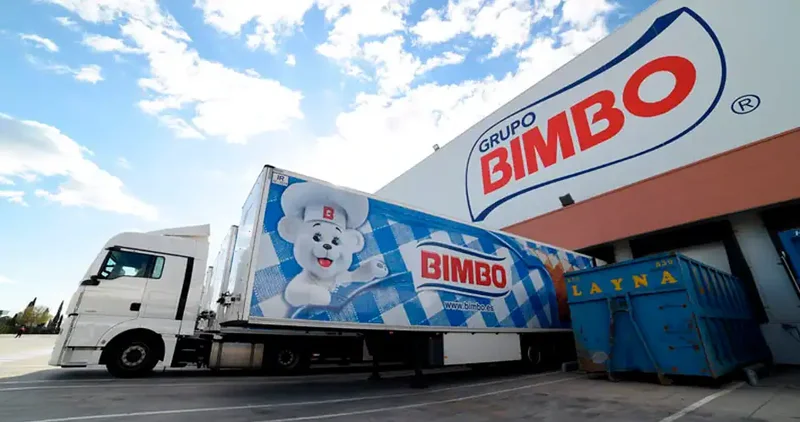
Grupo Bimbo Bets US$101 Million on New Puebla Plant. (Photo internet reproduction)
One-stop reference
Company Intelligence
Every listed company in Latin America — financials, ownership and structure for 1,450+ companies across 26 exchanges, in one place.
RTAsk Rio TimesMarkets, currencies and the economy›
RT
Ask Rio Times
Latin American markets, currencies and companies.
×
Markets todayThe currencyRates \& inflationEconomy outlook
A US$2 Billion Bet on Mexico
The Puebla facility is just one piece of a national expansion plan valued at US$2 billion, running from 2025 through 2028. Grupo Bimbo will modernize more than 30 plants, expand its low-emissions delivery fleet, and create 2,000 direct jobs plus over 1,800 indirect positions.
For a company that operates in 34 countries across the Americas, Europe, Asia, and Africa, the decision to concentrate this much fresh capital in its home market is a deliberate signal. It tells investors and competitors that Mexican demand for packaged bread, snacks, and tortillas still has room to grow.
The scale of the commitment places Grupo Bimbo among the most aggressive consumer-goods investors in Latin America right now. While many multinationals spread capital thinly across regions, this plan doubles down on a single country, betting that proximity to consumers and deep distribution networks will yield better returns than chasing riskier frontier markets.
What Grupo Bimbo Is Building in Puebla
Puebla, an industrial hub east of Mexico City with strong highway and rail links, is already home to one Grupo Bimbo plant. The new facility doubles the company’s manufacturing footprint in a state that serves as a logistics gateway to southern and southeastern Mexico.
While the company has not disclosed the exact product lines or capacity figures for the second plant, the scale of the check speaks for itself. A MX$1,760 million (US$101.2 million) single-site investment in baking infrastructure typically covers automated production halls, high-speed packaging lines, and cold-chain distribution bays.
For foreign readers unfamiliar with Mexican geography, Puebla sits on the corridor connecting Mexico City to the port of Veracruz on the Gulf coast. That location lets Grupo Bimbo move fresh baked goods rapidly to millions of consumers in the densely populated central highlands while also pushing product toward the faster-growing Yucatán Peninsula.
A Track Record of Plant Investment
The Puebla move follows a pattern Grupo Bimbo established in 2023, when it deployed roughly US$50 million at its Azcapotzalco plant in Mexico City. That project added a new production line, created 80 temporary construction jobs, and brought 50 permanent positions to a factory that already employed 950 workers.
Those incremental upgrades are now giving way to greenfield construction. The shift from modernizing existing lines to building entire plants suggests the company sees demand growth that cannot be met by simply squeezing more output from older factories.
Investors familiar with the company will recognize this rhythm. Grupo Bimbo has historically alternated between upgrading legacy bakeries and breaking ground on new ones, a strategy that keeps its asset base fresh without abandoning markets where it already holds dominant shelf space.
What This Says About Mexican Consumption
Grupo Bimbo’s capex cycle arrives as Mexico benefits from nearshoring trends and rising real wages. Packaged food is a volume business, and a US$2 billion commitment implies a conviction that Mexican households will keep buying more sliced bread, buns, and wrapped snacks.
The investment also creates a durable local supply chain. Modern bakeries need flour millers, packaging suppliers, and logistics providers, many of which will expand alongside Bimbo.
That multiplier effect embeds the company even deeper in the domestic economy.
For expats and tourists, the expansion means the familiar Bimbo-branded products found on every Mexican corner store will remain reliably available, and the company’s push into low-emissions delivery vehicles may gradually improve urban air quality in cities where its distinctive white trucks are a constant presence.
What Happens Next for Investors and Job Seekers
The national program’s promise of 2,000 direct jobs and more than 1,800 indirect positions makes Grupo Bimbo a significant employment engine in a country where formal manufacturing work remains highly prized. Engineers, production supervisors, and logistics planners will be in particular demand as the new Puebla plant takes shape.
For portfolio investors, the spending cycle is a double-edged signal. On one hand, it shows management’s bullish read on Mexican consumer health; on the other, a US$2 billion outlay over three years will pressure free cash flow, and markets will watch closely to see how quickly the new capacity translates into revenue growth.
The company has not published a precise timeline for the Puebla plant’s groundbreaking or inauguration. However, given the 2025–2028 window, site preparation and early construction are likely already underway or imminent, with production ramp-up expected before the end of the decade.
Frequently Asked Questions
How much is Grupo Bimbo investing in its new Puebla plant?
Grupo Bimbo is investing more than MX$1,760 million, which equals approximately US$101.2 million, in a second manufacturing plant in Puebla, Mexico. The facility will double the company’s production footprint in a state that serves as a key logistics corridor for central and southern Mexico.
What is Grupo Bimbo’s total investment plan for Mexico?
The company has announced a US$2 billion investment program for Mexico spanning 2025 to 2028. The plan covers modernization of more than 30 existing plants, construction of new facilities including the Puebla plant, expansion of a low-emissions delivery fleet, and the creation of 2,000 direct jobs plus over 1,800 indirect positions.
Why is Grupo Bimbo expanding in Mexico right now?
The expansion reflects strong confidence in Mexican household consumption, supported by nearshoring trends that bring manufacturing jobs closer to North American markets, rising real wages that boost purchasing power, and growing demand for packaged baked goods across the country. For a company operating in 34 nations, concentrating this much capital at home signals that management sees Mexico as its highest-return market.