Fisheries transformation plan being prepared
TEHRAN- The Deputy Agriculture Minister and head of Iran's Fisheries Organization, emphasizing the need to align development goals with the biological realities of the Caspian Sea, stated: "The ecological capacities of the Caspian Sea must be accurately scientifically assessed, and given the unique status of sturgeon in the northern provinces, university research in this field should be further developed."
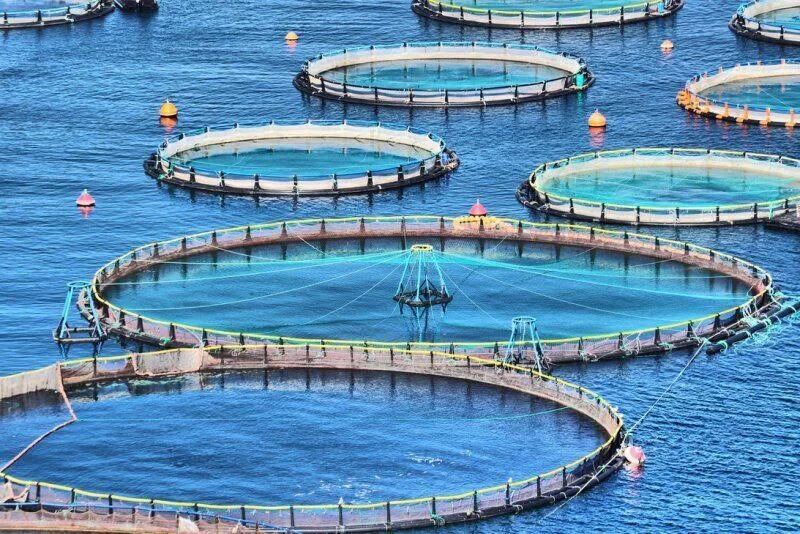
According to IRNA from the Agriculture Ministry, Hamzeh Rostampour, speaking at a meeting reviewing the "Strategic Transformation Plan for Sea-Based Activities in the Northern Provinces" – held with the aim of planning for the production of 165,500 tons of salmon in sea cages – emphasized the need for specialized revision of macro-production programs and added: "All development projects must be implemented with due consideration of environmental impact assessments, precise scientific evaluation, and full transparency in investment."
The head of Iran's Fisheries Organization identified stock rebuilding of aquatic resources as one of the organization's governance duties and stated: "We are seeking to develop a comprehensive and codified program so that, after addressing shortcomings and conducting necessary diagnoses, we can implement projects with full transparency, with the participation of capable investors and utilizing up-to-date knowledge."
Mehdi Shakouri, Deputy for Aquaculture Development at the Fisheries Organization, also pointed to the production capacity of 200,000 tons of fish in Caspian Sea cages and noted that achieving this goal requires an assessment of past programs and the development of an operational roadmap for various species. He added: "Cage development must take into account environmental requirements, export infrastructure, and the livelihoods of the fishing community."
Isa Golshahi, Deputy for Planning and Resource Management at the Fisheries Organization, stated that fisheries development is impossible without cross-sectoral coordination and added: "We welcome the establishment of a 'Fisheries Science and Technology Park,' subject to precise site selection and technical studies."
He emphasized integrated value chain management, consolidation of small units, and enhancing resilience against climate change as key strategies for the industry's sustainability.
It is worth noting that during this meeting, after expert opinions, it was decided that the Fisheries Transformation Plan would be revised taking into account all technical and specialized considerations.
According to the resolutions of this session, incorporating shrimp farming into the plan, precisely addressing the fishing sector, and developing environmental impact appendices in the final document are mandatory.
After the revision of shortcomings and the consolidation of opinions from various sectors, this plan will be presented in a specialized manner at future meetings for final review.
MA