Sara Duterte trial recap, Aug. 5: Receipts only, medicine rewards, audit thresholds
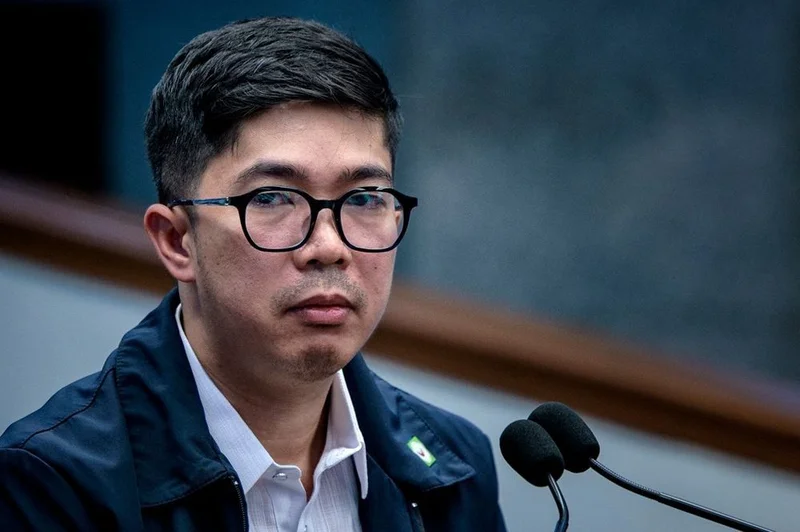
MANILA, Philippines — Senator-judges took their turn questioning state auditor Roderick Wamil on Wednesday, August 5, scrutinizing what the Commission on Audit could verify from the Office of the Vice President’s confidential fund documents and what its findings legally established.
Their questions on the 13th day of Vice President Sara Duterte’s impeachment trial covered who was accountable for the funds, what documents were required to support the expenses and when an audit deficiency becomes a failure to liquidate.
Wamil’s testimony also drew attention to unusual features of the OVP’s liquidation, including its exclusive use of acknowledgment receipts and the reported distribution of medicines as rewards to informants.
Wamil was the prosecution’s third witness for Article I, which accuses Duterte of misusing P612.5 million in confidential funds at the OVP and the Department of Education.
Here are the day’s highlights.
1. A P125-million liquidation supported entirely by acknowledgment receipts
The OVP submitted 845 acknowledgment receipts covering its P125-million confidential fund expenditure in the fourth quarter of 2022.
Wamil told Sen. Kiko Pangilinan that this was the first time he encountered an agency whose submissions consisted entirely of acknowledgment receipts.
Out of the P125 million covered by the receipts, P75 million drew COA observations or requests for additional documents, according to the notice of suspension cited by Wamil.
Wamil distinguished between payments for information and purchases from ordinary suppliers. Acknowledgment receipts may be accepted when paying an informant, he said, but purchases from suppliers require official receipts.
State auditors also had no way to determine from the documents alone whether the aliases appearing on the acknowledgment receipts belonged to real people.
Asked by Senate President Sherwin Gatchalian whether auditors validated the names, Wamil said this was not part of their compliance audit. Their review focused on details such as the dates and amounts of the reported payments.
2. Medicine as payment for intelligence a first for auditor
Sen. Risa Hontiveros pressed Wamil on acknowledgment receipts that recorded medicines as “rewards” for informants.
One receipt showed “Mary Grace Piattos” receiving P70,000 worth of medicine as a reward.
Asked whether giving medicine in exchange for intelligence was normal, Wamil said it was not and that the OVP was the first agency where he encountered such an arrangement.
Wamil could not say what illness the supposed recipient had because this was not stated in the documents.
Neither could COA verify whether the rewards reached actual informants or produced successful information gathering or surveillance, he said, because the OVP did not submit the required evidence of success.
Wamil said the medicine entries could be read either as rewards or as the provision of medical aid. If they represented aid, they would also fall outside the allowable confidential expenses listed in the governing joint circular.
3. When an audit deficiency becomes failure to liquidate
Senator-judges also questioned Wamil on what each stage of the COA process establishes and when an accountable officer may be required to return public funds.
Presiding officer Sen. Chiz Escudero walked Wamil through Item 8.3 of the joint circular governing confidential and intelligence funds.
Wamil confirmed that an audit observation memorandum does not by itself establish failure to liquidate. An AOM demands comments and supporting documents, not repayment.
“So hindi restitution ’yung pinag-uusapan natin dito. Demand to submit document,” Escudero said. Wamil agreed.
Wamil said the failure to liquidate arises at the notice of suspension stage, while restitution enters the process upon the issuance of a notice of disallowance.
He also testified that a COA finding becomes final upon a final decision of the commission proper. A challenge before the Supreme Court does not stay the obligation to return the money unless the court issues a temporary restraining order, he said.
The questioning also exposed a disagreement over who is accountable for liquidating confidential funds.
Wamil maintained that both the head of the agency and the designated special disbursing officer are accountable under the joint circular. Sen. Imee Marcos disputed his reading, arguing that the circular refers to the agency head “or” the designated officer and that Duterte was not the payee.
After Wamil’s testimony, the prosecution called COA auditor Xylene del Campo as its fourth witness for Article I.
The defense accepted several documents, including notices of disallowance issued by COA and letters from the OVP responding to the commission, but refused to stipulate to at least eight other items. — reports from Cristina Chi
- Latest
- Trending