Memory costs have forced some of the largest PC makers to seek RAM supply from an unexpected source: China-based memory makers. The problem for U.S. buyers is that Uncle Sam isnât ready to let a Chinese brand break up the memory cartel that continues to keep prices high.
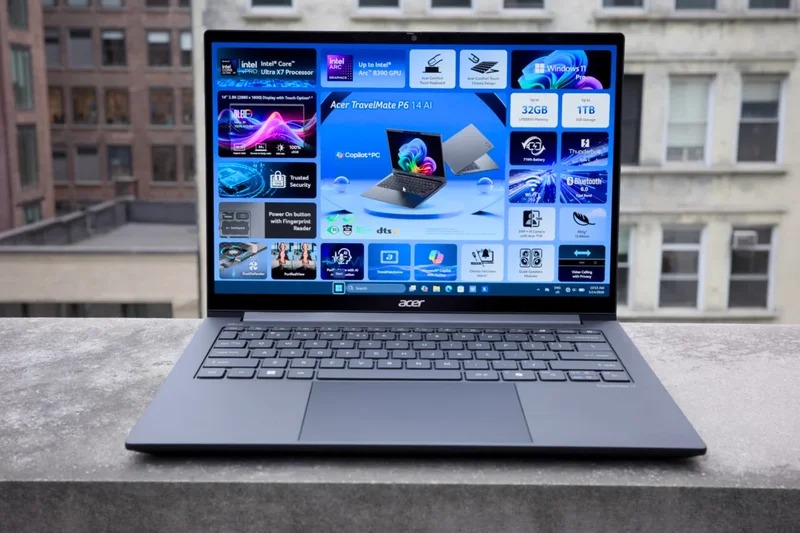
Major PC brandsâAcer, HP, and Asusâare reportedly seeking solace from their memory woes in the welcoming arms of CXMT, a relatively new Chinese brand thatâs trying to expand its consumer DRAM capacity. Nikkei Asiafirst reported on the âsmall amountsâ of memory these companies are adding to new laptops that areâcurrentlyâonly available in Asia. CXMT has also worked with component makers like Corsair on desktop PC-ready DRAM. The company is trying to expand its memory footprint.
CXMT and other growing Chinese brands are trying to capitalize on todayâs sky-high PC component prices to muscle their way into segments like GPUs and memory. CXMT made waves late last month with a blockbuster $486 billion debut on the Shanghai stock exchange. Itâs clear the company wants to become a major player in the RAM race, especially since most other semiconductor companies have dedicated most of their capacity to producing HBM (high-bandwidth memory) for Big Tech’s increasingly unpopular AI hyperscaler buildout.
Despite CXMTâs blowout IPO, PC makers are only dipping their toes into China-made RAM. Nikkei Asia reported that CXMT (officially ChangXin Memory Technologies) is still prioritizing China-based brands with which it has a working relationship. Then thereâs the political rigmarole. The U.S. has shown itself to be extremely concerned about CXMT. Earlier this year, the U.S. Department of War listed CXMT as a âChinese Military Companyâ forâin partâbeing allegedly affiliated with Chinaâs Ministry of Industry and Information Technology.
Outgoing Apple CEO Tim Cook, whoâs soon to take on a role as the company’s âexecutive chairmanâ (read: glad-hander in chief), has reportedly lobbied the Trump White House for permission to gain memory supply from CXMT. The company recently raised the prices of most of its products due to the current RAM crisis and expressed deep concerns about future memory costs.
At the same time, both Republicans and Democrats have pronounced they donât trust the Chinese chipmaker. Democratic Minority Leader Chuck Schumer wrote an open letter to Apple demanding the California tech giant reject CXMT because not doing so would âhurt the nationâs domestic semiconductor supply chain.â He also decried the memory maker for being âallied with the Chinese Communist Party regime,â adding that its chips could pose a risk to ânational security.â The letter to Apple was signed by several Democrats and Republicans, including Sens. Mike Crapo of Idaho and Pete Ricketts of Nebraska.
Why donât we look at the current semiconductor memory capacity in the U.S. and abroad? The landscape is dominated by three big companies: the U.S.-based Micron and the South Korean giants Samsung and SK Hynix. Micron, in particular, has forced major tech companies to sign five-year, billion-dollar deals for new DRAM. These deals are practically guaranteed to keep prices inflated for years to come.
Each company has, in turn, claimed that memory prices wonât improve in 2027 and that gadgets won’t get any cheaper. Either the AI boom collapses, PC manufacturers find a new source of RAM, or personal computers become a luxury good only available to the wealthy.