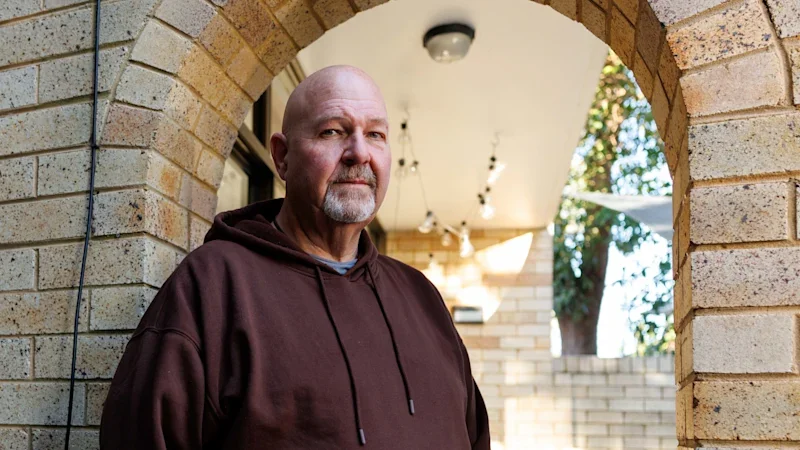
When a job driving public buses for Keolis Downer, a private operator on Sydney’s northern beaches, was posted on a recruitment website, Brendan Cunningham couldn’t believe his luck.
“The job sounded amazing. Almost too good to be true,” the 62-year-old says.
The promise of free airfares, three months of accommodation and the lifestyle was too appealing to pass up, he says.
But the South African-born Cunningham resigned last week, lasting less than five months. He said the job was extremely stressful, intense and emotionally taxing, with the company offering little support.
Cunningham is among New Zealanders recruited to address Sydney’s bus driver shortage, which has fallen from more than 500 at its peak to 168 last month. According to the NSW government, nine out of 10 bus drivers who are trained and begin work, leave the industry within six months.
Cunningham moved to New Zealand in 2008, and began driving coaches and school buses before the pandemic. Already looking to migrate to Australia, he stumbled upon the Keolis Downer job.
Within two weeks of his first day in March this year, Cunningham says he was driving a bus with passengers on Military Road – a busy arterial road that bisects the lower north shore – an experience he describes as “overwhelming”.
“I’d never driven a vehicle in Sydney, let alone a bus. My stress levels were through the roof. There wasn’t anybody that I could go to to confide in and speak to about it,” he says.
A spokeswoman for Keolis Downer said 14 drivers were currently employed through the New Zealand recruitment program. Those who received relocation assistance signed a written agreement. If they left before the completing the agreed period, Keolis could recover relocation costs by withholding pay and leave entitlements.
“To date, no additional action has been taken to recover relocation costs from participants in the program,” she said.
“All new drivers complete a fully paid induction and on-the-job training program before operating services independently. Drivers are rostered and paid in accordance with the enterprise agreement, workplace laws and fatigue management requirements.”
One of the most stressful aspects of the job, Cunningham said, was trying to navigate the city’s streets; finding his way between where a route ended, and the next one began. Much of his spare time was spent on buses and also in his car trying to learn where he needed to drive.
Cunningham says his roster pushed him to the brink of exhaustion because he had to drive eight to nine hours across six days, including finishing with a Saturday night shift.
He criticised the cleanliness of Keolis’ buses, saying he regularly began his day removing “beer cans and burger boxes” so people would not have to pay to ride on dirty buses.
“These people I’m picking up, all dressed up to go to work, they’re the ones that pay to get on the bus.”
Transport Minister John Graham credited Keolis for trying new ways to address the driver shortage, but said the contracts imposed by the company “appear harsh”.
“Bus drivers aren’t getting paid enough for what is a tough job. That is why the driver shortage is impacting on passengers,” he said.
“We need to pay drivers more and that’s why the government has contributed $200 million to improve the wage offer from bus contractors to their drivers. That is good for passengers and good for drivers.”
The Rail, Tram and Bus Union (RTBU), which represents drivers on the northern beaches, said the contractual requirement to repay thousands of dollars if they resigned within 12 months left workers feeling trapped.
The union helped Cunningham resign from Keolis and has now begun legal proceedings in the Federal Court to recover more than $5000 Keolis withheld in his last pay cheque, including his final fortnight of pay and annual leave entitlements, according to a statement of claim lodged with the court.
Keolis’ contracts for overseas drivers include a number of conditions, such as paying the company $10,000 if they quit within six months of service, and $5000 if they leave within a year. Drivers – who gross about $1300 each week – are barred from having secondary employment without written approval.
RTBU NSW secretary Toby Warnes described the arrangement as a “Dubai-style guest worker scheme operating in plain sight on Sydney’s northern beaches”.
Cunningham will now try again, this time driving buses in Perth.