Experimental camera-based ERP system records 97.2% average accuracy
AI generated
SINGAPORE – An experimental camera-based system for road toll payments is able to accurately recognise Singapore vehicle licence plates more than nine out of 10 times, even in rain and night-time conditions.
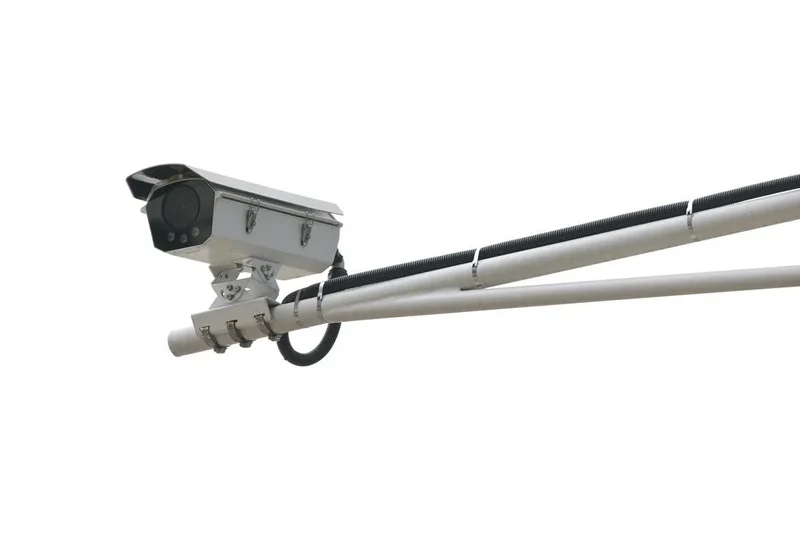
In a two-year trial of ERP X involving some 403 motorists, 63 roadside cameras identified vehicle registration plates as the motorists passed by and charged them the road tolls through their smartphones.
Depending on the time of day and weather conditions, the system’s accuracy ranged from 99.2 per cent on bright, sunny days to 91 per cent on rainy nights, with an overall average of 97.2 per cent.
The findings were published on July 27 by Open Government Products (OGP), an independent division of Government Technology Agency (GovTech).
OGP, which conducted the trial, evaluated the camera-based vehicle licence plate recognition technology as an alternative to the satellite-based electronic road pricing system – ERP 2 – which is being rolled out to replace the gantry-based system.
In the report, OGP stressed that the test was intended to validate a viable alternative to road pricing, not to replace the existing system.
OGP estimated that it would cost around $2.7 million to replace the 22 ERP gantry sites with the camera-based system and $2.2 million annually to run it.
The two-year experiment, which concluded in March 2026, cost around $4.4 million.
OGP had shared its findings with the Ministry of Transport and the Land Transport Authority.
In response to ST’s request for comment, LTA said the camera-based solutions tested in ERP X are among the technologies being evaluated for the next generation of road pricing, even as the roll-out of ERP 2 is under way.
The agency supported OGP in the implementation of the trial, noting that such small-scale experiments provide insights into how such technologies could complement existing road and vehicle usage operations.
On the system’s accuracy, the OGP spokesperson said the results were consistent with how camera-based licence plate recognition typically performs under low light and glare. A bigger challenge was licence plates being blocked because of steeper camera angles and the proximity of surrounding vehicles during heavy traffic conditions. Some licence plates were also more likely to be obscured by heavy rain.
OGP said the experiment was also meant to show how the Government can safely create models for national infrastructure and test it before deciding whether to roll it out.
On whether the achieved level of accuracy is acceptable, the OGP spokesperson said this depends on whether the system is designed to be less tolerant of missed charges or false positives.
“That’s a policy decision for whoever owns and designs a live system, rather than something an experiment can decide on its own,” the spokesperson said.
ERP X started as one of 35 projects from OGP’s Hack for Public Good 2024, a yearly hackathon. The idea was to use cameras to identify vehicle licence plates and charge road tolls through a phone app instead of relying on in-vehicle hardware.
Initially, the trial was conducted in the Bras Basah area between 2024 and 2025, before expanding to expressways covering 22 ERP gantry locations.
The participating motorists registered their vehicles through a prototype phone app. Payments were simulated, so no money changed hands when they passed an ERP X gantry.
Shawn Lim, 37, was among those who participated in the trial. The business management manager said the experience had been positive. He gave feedback to the ERP X team after he got “double charged” at the gantry several times during the earlier part of the trial.
As for the user interface, he particularly liked how easy it was to see the ERP X transaction history on the app, which is currently not possible on the ERP 2 on-board unit fitted in his car.
Financial consultant Jeremy Hu, 42, signed up as an ERP X tester in 2025. He believes that the accuracy of such systems in the rain and in night-time conditions will get better as technology improves in the coming years.
“Then the issues will be addressed,” he added.