Sign in. It’s quick, free and it’s up to you.
An account is an optional way to support the work we do. Find out more.
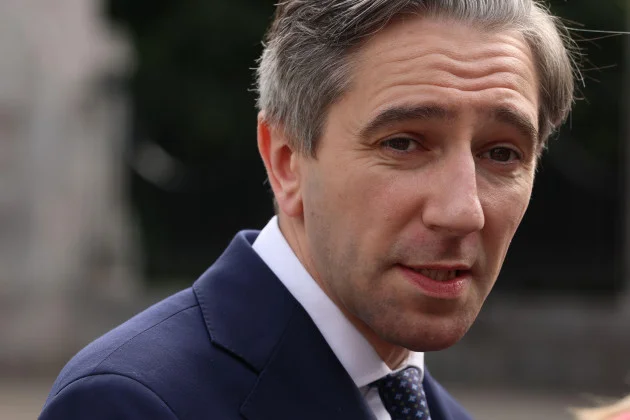
THE GREEN PARTY has warned that Tánaiste Simon Harris’s proposed State-backed investment account could leave people paying tax even if their investments lose money, as it unveiled an alternative savings scheme it says would be fairer for consumers.
The party today published a blueprint for a personal investment account modelled on Norway’s ‘Aksjesparekonto’, arguing it would encourage long-term saving while avoiding some of the pitfalls of the Swedish model favoured by Harris.
Earlier this year, the Tánaiste said he wanted to introduce a new State-backed investment account from 2027 to encourage more people to invest their savings, pointing to Sweden’s ‘Investeringssparkonto’ (ISK) as the model for Ireland.
The government has said the scheme would apply a single annual tax on investments above a tax-free threshold, rather than taxing gains when assets are sold.
However, the Greens said the Swedish model taxes the overall value of an account rather than actual profits, meaning investors can face a tax bill even if their investments have fallen in value.
Green Party finance spokesperson and councillor Michael Pidgeon said the approach carried “real risks” for Irish savers.
“Simon Harris has fallen for a Swedish model, and like most people who do, he hasn’t thought it through,” Pidgeon said.
“The Swedish system carries real risks for Ireland’s savers and investors. A system that bills people who are losing money is deeply wrong.
“The state should only be calling in the taxman when big gains are being taken.”
Under the Green Party proposal, no tax would apply while money remains invested in the account. Instead, tax would only be charged when investors withdraw profits, with ordinary gains up to a set allowance exempt.
The party also wants tax advantages under the scheme to be limited to funds that do not invest in fossil fuel extraction, tobacco, weapons manufacturers or companies operating in illegal Israeli settlements in the occupied Palestinian territories.
It is also proposing that the default investment option would direct part of savers’ money towards projects such as cost-rental housing, green sovereign bonds and community renewable energy.
Pidgeon said there is around €175 billion sitting in Irish bank accounts earning little interest that could instead support investment in housing and renewable energy.
“There is €175 billion sitting in Irish banks earning next to nothing. That money could be building homes and wind turbines,” Pidgeon said.
The government has not yet published the final design of its proposed personal investment account, with legislation expected next year and accounts due to become available next year.
To embed this post, copy the code below on your site