Your support helps us to tell the story
From reproductive rights to climate change to Big Tech, The Independent is on the ground when the story is developing. Whether it's investigating the financials of Elon Musk's pro-Trump PAC or producing our latest documentary, 'The A Word', which shines a light on the American women fighting for reproductive rights, we know how important it is to parse out the facts from the messaging.
At such a critical moment in US history, we need reporters on the ground. Your donation allows us to keep sending journalists to speak to both sides of the story.
The Independent is trusted by Americans across the entire political spectrum. And unlike many other quality news outlets, we choose not to lock Americans out of our reporting and analysis with paywalls. We believe quality journalism should be available to everyone, paid for by those who can afford it.
Your support makes all the difference.
Read more
We need to be a cost-of-living government – getting that cost of living down, looking at all possible ways of doing that...” As a clear statement of intent, Andy Burnham’s message to colleagues at the first meeting of the new cabinet cannot be faulted. Each will be tasked with finding innovative ways that their own department can contribute to helping people to manage.
The prime minister is doing his job. He is responding to the public’s overriding concern, and visibly trying to assist. It is a healthy instinct – but it cannot overshadow the imperative of rebuilding the public finances, a job far from complete.
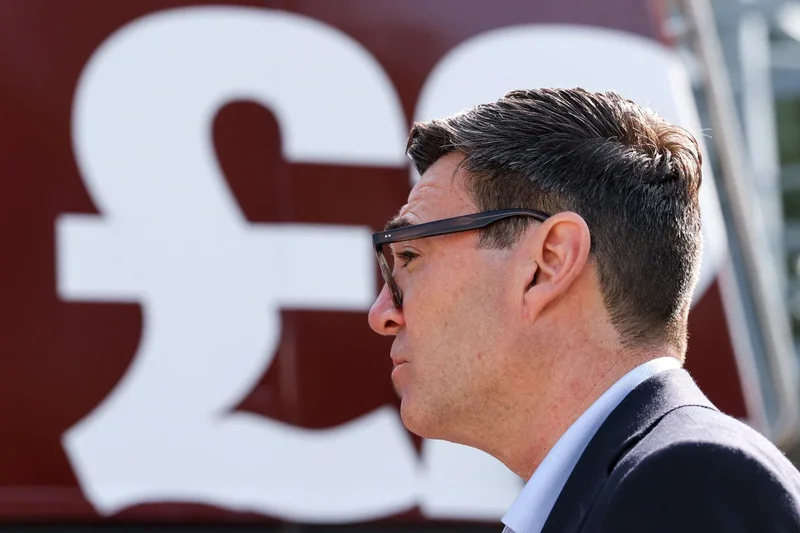
Mr Burnham is obviously in the very early days of his administration, and most of the announcements he has made so far to give people a “breathing space” have been relatively easy to accommodate within existing spending plans. These small but eye-catching initiatives are what might be called “Tesco government” – every little helps.
As such, they should not be derided. The latest, reducing the cap on bus fares in most of England, from £3 to £2, is a case in point. While many people, especially outside London, hardly use a bus, and a pound either way in the fare is negligible, for someone on the minimum wage who has to use public transport to get to work, it is a more significant matter – representing a possible saving of as much as £40 per month.
The money for the cap is to come from cutting – “reprioritising”, in Burnham-speak – funds once destined for net zero projects abroad. Similarly, the £45-a-year from ending VAT on electricity bills will help the most vulnerable, although the “savings” from scrapping the Digital ID scheme are, strictly speaking, unfunded.
But Mr Burnham’s ambitions are far higher than that. On the steps of Downing Street, before entering No 10 for the first time as prime minister, he instructed his civil servants to “end rough sleeping in our country” – an objective far more expensive and difficult to achieve than the more modest reforms he set out elsewhere.
During his leadership campaign and since, he has also repeatedly put social care reform at the top of his agenda. Indeed, he did so almost two decades ago when he served as health secretary under Gordon Brown. Then, he advocated the creation of a “National Care Service”, on the same principle of free access at the point of use as applies to the NHS; and he reiterates that approach now.
He knows from his own experience of his father’s dementia how much of an unfair lottery the system is today, and he is right to want to reform it – and to succeed where so many others have failed. Yet there is, as yet, not even the vaguest funding plan for a National Care Service.
Mr Burnham’s problem is that he has no more resources available to him, at least in the short term, than did his predecessor, Sir Keir Starmer. This is becoming apparent by the day.
Somewhat embarrassingly, his spokespeople have already had to execute their first U-turn on his behalf. Mr Burnham has an unfortunate habit of thinking aloud about problems, and giving the wrong impression. So when he described the voters’ frustration about the frozen personal tax-free income allowance that he had heard during the Makerfield by-election, the logical conclusion was that he might do something about it. Now, it seems, he won’t – and not least because raising the tax threshold by as little as £500 would cost the Treasury around £5bn a year – and leave a basic-rate taxpayer only £100 better off annually.
It is a similar story for the PM, his new defence secretary and chancellor over defence spending. Despite John Healey resigning over the previous prime minister’s reluctance to boost defence spending, none of the three has thus far committed to devoting 3 per cent of the national income on the armed forces by 2030, as Mr Healey previously demanded.
Unlike when he was a city mayor with a grant from central government, Mr Burnham now has to find the money to fulfil his honourable aspirations. Free from parliamentary commitments, he and his team now have some months to reconcile these with resources, and make hard choices on spending and taxation.
In the meantime, alongside its welcome sense of urgency and compassion, the government must also convey an impression of fiscal discipline.