AI & Machine Learning 10
-
DeepSeek Unveils 1.6T AI Amid US Theft Claims
DeepSeek has launched its most powerful large language model yet, the V4, boasting 1.6 trillion parameters and optimized for Huawei's Ascend chips. This release coincides with the US State Department issuing a global warning accusing DeepSeek and other Chinese AI firms of intellectual property theft involving American AI models. The timing is critical, coming just weeks before a high-stakes summit between Presidents Trump and Xi Jinping. The unfolding tensions highlight the growing geopolitical stakes in AI technology development and IP security.
-
Musk vs. Altman: OpenAI Trial Kicks Off

The high-stakes trial between Elon Musk and OpenAI begins in Oakland, centering on whether OpenAI's shift from nonprofit to a for-profit entity breached its founding mission. Musk, who co-founded OpenAI and donated millions, alleges Sam Altman and others deceived him, enriching themselves while betraying the nonprofit promise. OpenAI denies wrongdoing, calling Musk's suit a jealous harassment campaign. The trial, featuring testimony from Musk, Altman, and Microsoft CEO Satya Nadella, could reshape AI industry governance and OpenAI's future.
-
Google Cloud Next: AI Takes Center Stage

At this year's Google Cloud Next, AI dominated the conversation with major announcements including Google's split of its 8th generation Tensor chips into separate versions for training and inference. The launch of new AI security agents and the rebranding of Vertex AI to the Gemini Enterprise Agent Platform highlighted Google's push to unify AI development and management. Despite the excitement, the event also revealed vulnerabilities, such as the quick breach of Anthropic's Mythos cybersecurity AI, underscoring ongoing security challenges. Looking ahead, Google’s focus on AI integration signals a future where cloud and enterprise tech are inseparable from artificial intelligence.
-
AI Memory That Forgets Like Humans

YourMemory introduces a breakthrough AI assistant memory system inspired by the human brain's forgetting curve. Unlike traditional AI that starts fresh each session, this system retains important information while letting less relevant data fade naturally, boosting recall accuracy to 59%, twice that of competitors like Zep Cloud. This biologically inspired memory decay promises more intuitive, context-aware AI interactions without complex setups. Developers can now integrate this memory layer seamlessly into popular AI clients, paving the way for smarter, more personalized AI assistants.
-
AI Umpire Tech Debuts in Darwin Cricket

Darwin's women's grade cricket league is pioneering the use of AI umpire review technology with the Fulltrack AI system trialed during the 2026 season. This chest-mounted camera system helps players challenge LBW decisions, aiming to reduce disputes and support umpires with data-driven calls. While not as precise as international multi-camera setups, it offers an affordable solution for local leagues and has caught the attention of Cricket Australia. The year-long trial could reshape how grassroots cricket manages officiating and attract more umpires to the game.
-
Master AI Agent Deployment at SaaStr 2026

At SaaStr AI Annual 2026, over 10,000 B2B leaders will learn how to deploy AI agents that boost productivity by up to 50%. Key sessions include building AI SDRs that generate millions in revenue, creating AI VPs of Marketing without engineers, and cutting customer acquisition costs by half. This event is crucial as AI agent skills will soon determine company survival and valuation. Attendees will leave ready to implement AI solutions immediately, closing the gap between AI adopters and laggards.
-
AI Bots Run Secret OpenAI News Site

A new investigation reveals that The Wire by Acutus, a news outlet linked to OpenAI, is almost entirely AI-generated, with 97% of its articles flagged as fully or partially produced by AI. The site presents itself as collaborative journalism but lacks any human bylines or editorial transparency. Critics warn this could be a covert lobbying tool disguised as independent news, raising serious ethical questions about AI's role in shaping public opinion. The story highlights urgent calls for clearer AI disclosure and regulation in media.
-
AI Cracks Cross-Script Name Matching

A breakthrough in AI-driven name retrieval now bridges the gap between scripts like Cyrillic and Latin, solving a long-standing problem in global databases. Using contrastive learning on raw UTF-8 bytes, a compact transformer model achieves near parity in matching names across eight non-Latin scripts, including Russian and Arabic. This innovation promises major improvements in immigration, healthcare, and finance systems worldwide. Developers have open-sourced the code, paving the way for broader adoption and further refinements.
-
AI Costs Outpacing Human Labor

Companies are increasingly spending more on AI infrastructure than on employee salaries, with Nvidia's Bryan Catanzaro noting compute costs far exceed human labor expenses. This surge in AI spending, projected to push global IT budgets to $6.31 trillion in 2026, raises questions about the true value and ROI of AI investments. Experts warn that without clear productivity gains, AI could become a costly liability rather than an asset. Businesses are urged to carefully assess AI projects to ensure meaningful outcomes and avoid wasteful spending.
-
Sequoia’s Mac Minis Signal AI Shift

Sequoia Capital distributed 200 custom-engraved Mac Minis at its “AI at the Frontier” event to support OpenClaw, an open-source AI agent framework it can’t invest in because there’s no company behind it. This move highlights a shift in AI value from proprietary models to the agentic infrastructure layer that connects AI to real-world actions. By gifting hardware, Sequoia positions itself at the heart of this emerging ecosystem, betting on the startups that will build on top of OpenClaw. The giveaway signals a new venture capital strategy focused on ecosystem influence rather than direct equity.
Tech & Gadgets 10
-
Samsung, SK hynix Divide Retail Investors Amid KOSPI Surge
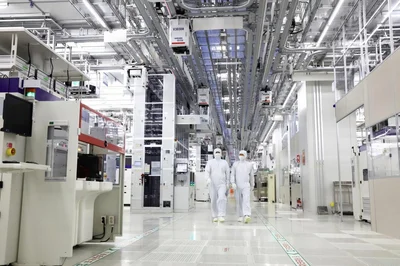
As the KOSPI index hits record highs, retail investors are split over whether to hold or sell shares in Samsung Electronics and SK hynix. While some investors fear missing out on further gains fueled by AI-driven chip demand, others are locking in profits amid concerns over semiconductor cyclicality and a looming Samsung labor strike. Despite retail selling hitting record levels, foreign investors are buying aggressively, highlighting contrasting market sentiments. The coming weeks will test whether the rally can sustain amid these uncertainties.
-
Samsung Flashlight Melts Plastic? Not So Fast

Viral videos showing Samsung phone flashlights melting plastic have gone viral, sparking alarm. However, tests by Android Authority and Tom’s Guide reveal that this phenomenon isn’t unique to Samsung; the iPhone 17 Pro Max can do it too under the same conditions. The intense heat comes from powerful LED flashlights at max brightness, which can burn plastic if held close for extended periods. Samsung even warns users about this risk, but these clips serve as a reminder to avoid prolonged contact between phone flashlights and synthetic materials.
-
Meta Taps AWS Custom CPUs for Cloud Edge

Meta has inked a multi-year, multi-billion dollar deal to use Amazon Web Services' Graviton5 CPUs, leveraging tens of millions of cores to power its cloud infrastructure. This partnership marks a strategic move by Meta to optimize costs and performance by adopting AWS's custom silicon. The collaboration intensifies competition in the cloud market, challenging rivals with tailored hardware solutions. Going forward, this could reshape how major tech firms source cloud computing power.
-
Samsung Wallet Launches Smart Travel Timeline

Samsung Wallet has unveiled a new feature called “Trips” that automatically organizes all your travel bookings and tickets into a single, easy-to-navigate timeline. Unlike Google Wallet, which stores travel passes but lacks a timeline itinerary, Trips offers a seamless way to manage flights, hotels, and car rentals in one place. Rolling out in April 2026 to Galaxy users in the US, UK, and Korea, this update promises to simplify travel planning and could set a new standard for digital wallets.
-
Google Tests Beta Fix for Pixel Boot Loop

Google is actively testing a beta update aimed at resolving the persistent boot loop issue plaguing Pixel devices since the March 2026 update. The problem, affecting models from Pixel 6 through Pixel 10, remained unaddressed by April's patch, but the fix could arrive with May's update. Users experiencing the issue may also be eligible for device replacements by contacting Google Support, signaling the company's commitment to resolving this critical flaw.
-
Slim Showdown: iPhone Air vs Galaxy S25 Edge

Apple's iPhone Air and Samsung's Galaxy S25 Edge are redefining ultra-thin smartphones with sleek designs and competitive specs. The iPhone Air measures just 5.64mm thick, slightly thinner than the S25 Edge's 5.8mm, but both pack impressive displays and adaptive 120Hz refresh rates. While the Air sports a single 48MP rear camera, the S25 Edge offers dual cameras with a 200MP wide lens, highlighting different priorities in photography. Priced at $999 and $1,100 respectively, these phones set the stage for the next wave of slim devices and foldables.
-
Google's Gradient Icons Go Global

Google is expanding its new gradient icon design across its entire app ecosystem, including Gmail, Calendar, Drive, and Workspace apps. The redesign ditches the old multicolor circles for softer, more distinct icons with rounded corners and vibrant gradients, reflecting AI-powered features. Users will notice more unique colors and shapes, making apps easier to identify. The rollout is expected soon, signaling a fresh visual era for Google's services.
-
Pixel's Voice Typing Sets New Standard

Google Pixel's voice-to-text feature has raised the bar for Android users, delivering faster and more accurate dictation with punctuation support. While other Android devices lag behind, new AI-powered apps like Wispr Flow are bridging the gap, offering Pixel-level accuracy on phones like the Samsung Galaxy Z Fold 7. This innovation hints at a broader rollout, with brands like Nothing Phones adopting native AI voice typing solutions. The future looks promising as AI reshapes voice input across Android devices.
-
i-Mode Ends, Emoji Legacy Lives On

On March 31, 2026, NTT Docomo officially ended its pioneering i-Mode mobile internet service after nearly 30 years. Launched in 1999, i-Mode revolutionized mobile web access and introduced the world to emoji, now a global communication staple. Despite losing ground to the iPhone and global smartphone platforms, i-Mode's innovations in mobile payments and digital content shaped Japan's tech landscape. As the service closes, its emoji legacy continues to thrive worldwide on modern devices.
-
Switch Phones Seamlessly on Android Auto

Android Auto users juggling two phones now have a slick solution to switch devices effortlessly. By using NFC tags combined with Samsung's automation features, drivers can toggle Bluetooth and Wi-Fi connections without diving into settings menus. This innovation resolves the common frustration of the wrong phone connecting first, enhancing wireless Android Auto's convenience. While it requires NFC tags and compatible phones, this method promises smoother multi-device use on the road.
War & Conflicts 9
-
Asia-Pacific Military Spending Hits New Highs

Military spending in the Asia-Pacific surged 8.1% in 2025, marking the fastest growth since 2009, driven by regional tensions and doubts over U.S. security commitments, according to SIPRI. China led with $336 billion, while Japan and Taiwan sharply increased their budgets amid concerns over Beijing’s ambitions. The Trump administration’s push for allies to boost defense spending further accelerated this trend. Analysts warn this arms buildup could heighten instability, with the region closely watching U.S. policy shifts going forward.
-
Ceasefire Crumbles Amid Deadly Strikes in Lebanon

Despite a fragile truce extended by the US, cross-border violence between Israel and Hezbollah has escalated sharply. On Sunday, Israeli strikes killed 14 civilians in southern Lebanon, including women and children, while Hezbollah launched drone and rocket attacks targeting Israeli troops. Both sides accuse each other of violating the ceasefire, with Israel warning residents to evacuate and vowing decisive military action. The conflict shows no sign of abating, as Hezbollah pledges continued resistance and Israel intensifies its operations.
-
US Military Strikes Suspected Drug Boat, 3 Dead

The US military conducted a lethal strike on a vessel in the Eastern Pacific, killing three people suspected of narco-trafficking, according to the US Southern Command. This marks the 55th strike since September under the Trump administration's campaign targeting drug-smuggling boats, with at least 186 deaths so far. The Pentagon has not released evidence of drugs aboard the vessels, sparking debate over the legality and ethics of the strikes. The campaign continues amid heightened military presence and political controversy.
-
Bennett and Lapid Unite to Challenge Netanyahu

Former Israeli Prime Ministers Naftali Bennett and Yair Lapid announced a historic merger of their parties to form the new 'Together' party, aiming to unseat longtime leader Benjamin Netanyahu in the upcoming elections. This alliance marks a strategic effort to consolidate the fragmented opposition and focus on defeating Netanyahu, who has dominated Israeli politics for over 18 years. With elections set for October, this united front could reshape Israel's political landscape and potentially end Netanyahu's extended tenure.
-
Russia-North Korea Cement Military Alliance

Russia and North Korea have agreed to extend their military cooperation through 2031, marking a deepening of ties amid the ongoing conflict in Ukraine. A new defense pact was signed during a visit by Russian Defense Minister Andrei Belousov to Pyongyang, where a memorial honoring North Korean troops killed fighting alongside Russia was also inaugurated. This development underscores Pyongyang's continued support for Moscow's military efforts, with plans to formalize cooperation for 2027-2031 underway. The alliance signals a strengthened strategic partnership as both nations face international scrutiny.
-
Mali Attacks Kill Defense Minister Amid Coup Claims

Mali was shaken by coordinated insurgent attacks on April 25, targeting multiple cities including the capital Bamako. The assaults, claimed by al-Qaida-linked JNIM and the Azawad Liberation Front, left at least 16 injured and resulted in the death of Defense Minister Sadio Camara. Russia's Africa Corps described the attacks as a coup attempt backed by Western intelligence, while the UN called for international support to curb violent extremism. Mali's government launched a counter-offensive, but the security situation remains fragile.
-
Global Arms Spending Hits $2.9 Trillion

Global military spending reached a record $2.887 trillion in 2025, marking the 11th consecutive year of growth, according to SIPRI. Europe led the surge with a 14% increase, driven by NATO countries boosting defense budgets amid ongoing conflicts in Ukraine, Gaza, and Sudan. Despite a 7.5% drop in U.S. spending due to halted military aid to Ukraine, global arms investments are expected to rise further in 2026 as geopolitical tensions persist.
-
Backchannel Diplomacy Heats Up in Iran Conflict

Diplomatic efforts to end the Iran-US conflict are intensifying behind the scenes, with Iran's Foreign Minister Abbas Araghchi engaging in talks across Islamabad, Muscat, and soon Moscow. Pakistan remains a pivotal player, hosting key meetings and facilitating communication between regional powers. Despite no direct Iran-US talks yet, the ongoing backchannel diplomacy signals a serious push for peace, with Gulf states and Turkey also involved. The next steps hinge on broader regional frameworks and addressing Iran's core concerns, including its nuclear stance and maritime issues.
-
Turkey: Europe's Uncomfortable Defense Linchpin

Europe is increasingly reliant on Turkey to fill the security gap left by a less engaged United States, as highlighted by NATO Secretary-General Mark Rutte during his visit to Ankara. Yet, European Commission President Ursula von der Leyen publicly grouped Turkey with rivals like China and Russia, underscoring deep mistrust despite growing military cooperation. Turkey's strategic role is expanding with new NATO commands based in the country, but political unpredictability and Ankara's ties with Moscow complicate Europe's calculus. The upcoming NATO summit in July will test how far Europe is willing to deepen ties with this indispensable yet uneasy partner.
Disasters & Emergencies 10
-
Cargo Ship Hijacked Near Somalia Coast

A cargo ship was hijacked six nautical miles northeast of Garacad, Somalia, according to the UK Maritime Trade Operations. Unauthorized individuals took control of the vessel and redirected it into Somali territorial waters. This incident highlights ongoing threats to maritime security in the region, raising concerns for international shipping routes. Authorities are monitoring the situation closely as efforts to resolve the hijacking continue.
-
Fatal Crash Shuts Kapuni Roads

A deadly single-vehicle crash in Kapuni, Taranaki, claimed one life around 12:10pm at the Skeet and Palmer Roads intersection. Authorities closed the road to investigate, urging drivers to find alternate routes. This tragic event disrupts local traffic and highlights ongoing road safety concerns in the region.
-
Quick Rescue After Cook Strait Ferry Incident

A person who fell overboard from the StraitNZ Bluebridge ferry Livia in Cook Strait was swiftly rescued by the crew on Monday. The rapid emergency vessel was deployed immediately, and the individual was recovered safely and is now undergoing medical assessment. Police are investigating the circumstances, while the ferry remains docked in Wellington. This incident follows a similar event last month, highlighting ongoing safety concerns in the strait.
-
Deadly Blaze Claims Two in Blue Mountains

A devastating house fire in Bowen Mountain, Blue Mountains, claimed two lives early Monday morning, with four others hospitalized for smoke inhalation. The blaze, which required around 60 firefighters to control, left parts of the home collapsed and smoldering. Police have launched a formal investigation into the cause and are working to identify the victims. This tragic event has shaken the local community, with emergency services continuing their efforts to uncover all details.
-
6.2 Magnitude Quake Shakes Hokkaido

A strong 6.2 magnitude earthquake struck southern Hokkaido early Monday, according to the Japan Meteorological Agency (JMA), revising earlier estimates. The quake hit at a depth of 83 km, causing minimal damage due to the area's sparse population near Sapporo. While no tsunami warning was issued, JMA warned of increased risks of landslides and falling rocks and cautioned that more quakes of similar strength could occur in the coming week.
-
UK's Largest Pollution Case Hits High Court

The UK's biggest environmental pollution claim has reached the High Court, focusing on the severe contamination of the River Wye. Wildlife filmmaker Ms Evans highlighted the river's deteriorated state, calling it a 'systemic failure' that demands accountability. This landmark case could set a precedent for holding polluters responsible and may influence future environmental protections.
-
Taupō Meth Lab Blaze Sparks Arson Charges

Five men aged 28 to 73 face court after a fire at a Taupō building used as a methamphetamine lab. Police responded early Sunday to the blaze on Tauhara Road, near a bakery and petrol station, and suspect deliberate ignition. The men are charged with manufacturing meth, arson, and endangering life as investigations continue. Authorities maintain a scene guard while gathering evidence ahead of their Taupō District Court appearance.
-
Georgia Wildfire Surges Over 31 Sq Miles

A fast-growing wildfire in southeastern Georgia has expanded beyond 31 square miles, destroying at least 87 homes and prompting possible evacuations. The Highway 82 Fire, sparked by a foil balloon hitting power lines, is only 7% contained amid gusty winds that could worsen the situation. Firefighters are reinforcing efforts with additional crews arriving soon, but the threat remains high due to dry conditions and climate factors. Officials warn residents to prepare for evacuation orders as the blaze continues to spread.
-
Scotland Battles Extreme Wildfires
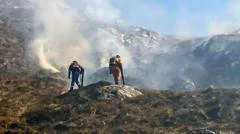
Scotland is grappling with a series of severe wildfires amid an 'extreme' fire alert issued nationwide. Emergency services are on high alert, urging the public to report any large outdoor fires immediately by calling 999. The situation remains critical as authorities coordinate efforts to contain the blazes and prevent further damage.
-
Ōhura Flood Emergency Ends, Recovery Begins

The state of emergency in Ōhura has officially been lifted after devastating floods swept through the town last week, leaving about 50 homes damaged and six uninhabitable. Residents continue to face significant challenges as they clean up sludge, repair damaged infrastructure, and seek alternative accommodation. Recovery efforts focus on drying out homes and restoring access, with a mayoral relief fund of $50,000 established and government aid requested. The community's resilience is strong, but the road to full recovery remains long and difficult.
Science 10
-
Coral Reefs: A New Medical Frontier

Researchers at ETH Zurich have discovered over 600 new microbial species in coral reefs, revealing a vast untapped resource for medicine and biotechnology. These microbes produce unique enzymes and molecules that could lead to novel pharmaceuticals. The study underscores the urgent need to protect coral ecosystems, as their loss would mean losing invaluable molecular diversity. A new expedition, Tara Coral, is planned for 2026 to further explore these microbial treasures.
-
Plants Hear Rain, Speed Up Growth
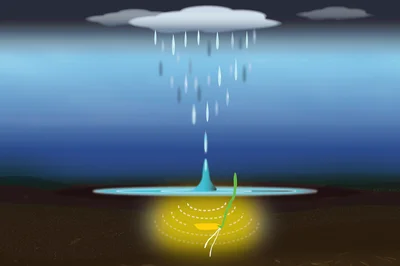
A groundbreaking study by MIT engineers reveals that rice seeds can detect the sound of rain, triggering faster germination. By exposing about 8,000 seeds to simulated raindrop sounds underwater, researchers found a 30-40% boost in growth speed compared to silent conditions. This discovery uncovers how tiny vibrations dislodge microscopic gravity sensors inside seeds, signaling them to sprout. The team plans to explore other natural sounds that might influence plant life, opening new frontiers in understanding plant perception.
-
Robots Reveal Why Antarctic Ice Shrinks

A sudden Antarctic sea ice decline since 2016 has puzzled scientists — until deep-diving Argo robots uncovered the cause. These machines revealed that shifts in salinity, winds, and ocean churn released trapped warm water from below, breaking up the ice. This discovery is crucial as it threatens Antarctica's ice shelves and global sea levels. Researchers now aim to expand monitoring to predict future ice trends amid climate change.
-
Cocaine in Water Alters Salmon Behavior
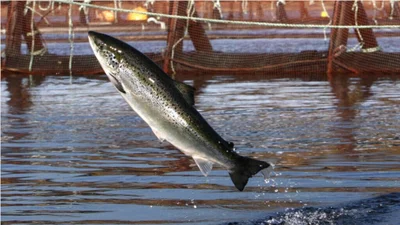
A new study by researchers from Griffith University and the Swedish University of Agricultural Sciences reveals that cocaine residues in waterways cause Atlantic salmon to swim significantly longer distances. This discovery highlights a growing environmental threat as recreational drugs and medicines enter ecosystems through wastewater, disrupting wildlife behavior and biodiversity. Experts urge modernization of wastewater treatment and greener pharmaceuticals to mitigate these impacts. The research underscores the urgent need to address drug pollution to protect aquatic life and ecosystem health.
-
Mezcal Worm DNA Unmasks True Identity

Scientists have used DNA testing to reveal that the famous 'worm' in mezcal bottles is not a worm but the caterpillar of the agave redworm moth, Comadia redtenbacheri. This discovery settles decades of speculation and highlights sustainability concerns, as wild harvesting of these larvae can harm agave populations. With mezcal's global popularity rising, experts warn that sustainable practices are needed to protect both the insect and its agave host. Future efforts may focus on farming larvae or better managing wild collection to preserve this unique tradition.
-
Toxins and Heat Threaten Global Fertility

New research reveals that the combined impact of toxic chemicals and climate change is worsening the global fertility decline. The study, led by Susanne Brander and reviewing 177 studies, highlights how endocrine disruptors like microplastics and PFAS, alongside heat stress, synergistically harm reproductive health across species, including humans. This alarming additive effect could accelerate the trend toward a low-fertility future predicted by the University of Washington. Experts call for urgent action to curb chemical pollution and climate change to protect reproductive health worldwide.
-
T. rex Blood Vessels Rewrite Dino Science
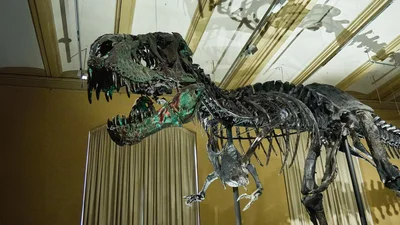
Scientists have discovered preserved blood vessels inside the bones of Scotty, the largest known Tyrannosaurus rex, using advanced synchrotron imaging. This breakthrough offers unprecedented insight into how these massive predators healed injuries and lived 66 million years ago. The findings, published in Scientific Reports, could transform our understanding of dinosaur biology and guide future fossil research.
-
New DNA Study Shakes Human Origins

A groundbreaking genetic analysis led by Brenna Henn and Simon Gravel challenges the traditional single-origin theory of modern humans. Their research, featuring genomes from the Nama people of southern Africa, reveals that early human populations were interconnected and exchanged genes over hundreds of thousands of years, forming a complex network rather than a simple family tree. This finding reshapes our understanding of human evolution and suggests that ancient human diversity arose from multiple interacting groups across Africa. Future research will continue to explore this intricate web of human ancestry.
-
DESI's Universe Map Deepens Cosmology Puzzle

The Dark Energy Spectroscopy Instrument (DESI) has completed its first major survey, mapping over 47 million galaxies and 20 million stars across 11 billion years. This unprecedented 3D cosmic map challenges the standard cosmological model by hinting that dark energy may evolve rather than remain constant, fueling a major scientific debate. Researchers are now meticulously analyzing the data, with more findings expected soon, potentially reshaping our understanding of the universe's expansion and fate.
-
Deer Cull Fails to Stop Zombie Disease

In Illinois and several other states, targeted deer culls aimed at halting chronic wasting disease have failed to contain its spread. Officials once hoped these measures would curb the so-called 'zombie deer disease,' but now they are losing hope as infections continue to rise. With current strategies faltering, wildlife experts are urgently exploring alternative solutions to combat this relentless epidemic.
Space & Exploration 10
-
Mars Missions Heat Up with New Tech

Recent developments in Mars exploration have accelerated with NASA unveiling plans for advanced AI-driven rovers and new nuclear-powered landers. This leap in technology promises longer missions and deeper surface analysis, crucial for understanding Mars' habitability. The next major launch window in late 2026 will test these innovations, potentially reshaping our approach to interplanetary exploration.
-
Sumatran Orangutan Crosses Canopy Bridge First Ever

In a groundbreaking conservation milestone, a Sumatran orangutan was filmed using a man-made canopy bridge in North Sumatra, Indonesia, marking the first recorded instance of this species crossing such a structure. The bridge, built by the NGO Tangguh Hutan Khatulistiwa with support from the Sumatra Orangutan Society and local authorities, helps the critically endangered orangutans bypass a busy road that fragmented their habitat. This success highlights how simple infrastructure can aid wildlife conservation without hindering human development. Conservationists hope these bridges become standard in future infrastructure projects to protect vulnerable species.
-
Moon Nears Full Glow Tonight

Tonight marks day 10 of the lunar cycle with the Moon in its Waxing Gibbous phase, shining 82% illuminated. Stargazers can spot features like Mares Vaporum and Tranquillitatis with the naked eye, while binoculars and telescopes reveal even more, including the Apollo 15 landing site. This brightening phase leads up to the Full Moon on May 1, the first of two this month, offering a spectacular celestial show to watch for.
-
China's Iron Battery Revolutionizes Storage
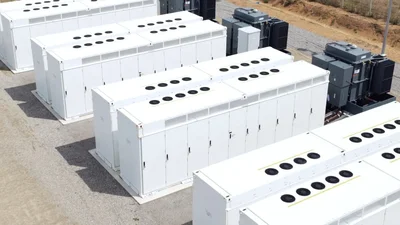
Chinese researchers at the Institute of Metal Research, part of the Chinese Academy of Sciences, have unveiled a breakthrough all-iron flow battery that drastically cuts renewable energy storage costs. With iron priced over 80 times cheaper than lithium, this new battery offers a highly stable electrolyte capable of thousands of charge cycles without capacity loss, setting a new industry record. This innovation promises a low-cost, long-lasting solution to the critical challenge of storing intermittent solar and wind power, potentially transforming global energy grids. The findings were published in Advanced Energy Materials, signaling a major step forward in clean energy technology.
-
Innospace and RSAT Team Up for N.A. Launches

South Korea's Innospace and Canada's RSAT Space have joined forces to offer satellite launch services across North America. Their recent MOU aims to tap into government, commercial, and defense space sectors by combining Innospace's Hanbit launch vehicle with RSAT's integration expertise. This partnership follows Innospace's earlier move to secure a Canadian launch site, signaling a strategic push into the region. Both CEOs emphasize the collaboration as a key step toward expanding their space ecosystem presence and meeting growing launch demands.
-
Japan's Giant Floating Wind Farm Plan
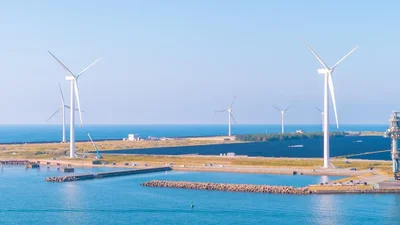
Japan is set to build the world's largest floating wind farm off the Izu Islands, aiming for a massive 1 gigawatt capacity by 2035, rivaling nuclear power output. The project, backed by Governor Yuriko Koike, could power both the island chain and Tokyo, but faces skepticism over technical feasibility and timeline. Floating turbines are chosen to minimize marine impact, with power transmitted via submarine cables. The coming years will test Japan's ability to deliver this ambitious clean energy milestone.
-
Falcon Heavy Rockets Back Into Action

After an 18-month hiatus, SpaceX's Falcon Heavy launched the ViaSat-3 F3 satellite from Kennedy Space Center, marking a major step in restoring its heavy-lift capabilities. This 6.6-ton satellite will provide high-speed broadband across the Asia-Pacific region, completing the ViaSat-3 constellation. The successful launch underscores Falcon Heavy's role as a powerful, reliable launcher, setting the stage for future commercial and defense missions.
-
Breakthrough Prize Honors $18M in Science

The 2026 Breakthrough Prize gala in Los Angeles awarded over $18 million to six major scientific breakthroughs, spanning gene therapy, neurodegenerative diseases, particle physics, and mathematics. Notable winners include Jean Bennett, Katherine A. High, and Albert Maguire for pioneering the first FDA-approved gene therapy for inherited retinal disease. The event also recognized David J. Gross with a special prize for his foundational work in physics, alongside emerging talents like Carolina Figueiredo. These awards highlight transformative discoveries shaping medicine and our understanding of the universe, setting the stage for future innovations.
-
Moon's Day and Night in One Shot

Astrophotographer Zachary Cooper captured a stunning image of the first quarter moon showing both its sunlit and shadowed sides simultaneously. Using 150 short and 100 long exposures merged with precise editing, he revealed the bright lunar surface and the faint earthshine illuminating the dark half. This technique offers a rare, detailed view of the moon as if seen in person, inspiring a fresh perspective on our nearest celestial neighbor. Cooper's work paves the way for enthusiasts to explore lunar photography with new depth.
-
Hubble Spots Growing Jet in Trifid Nebula

The Hubble Space Telescope has revisited the Trifid Nebula 30 years after its first iconic image, revealing a growing jet of energetic gas from a newborn star. This discovery sheds light on the powerful forces shaping star formation in this cosmic nursery 5,000 light-years away. Scientists will now measure the jet's speed to better understand the energy young stars inject into their surroundings. Hubble’s advanced imaging capabilities continue to deepen our view of the universe’s stellar birthplaces.
Health & Medicine 10
-
NZ Health Sector Preps for Fuel Crunch

New Zealand's Ministry of Health is rolling out the Health Sector Fuel Response Plan amid looming fuel shortages, prioritizing essential health services for fuel allocation without caps. The plan includes expanding telehealth options like phone and video consultations to reduce fuel use while ensuring patients still access in-person care when necessary. Patient advocates warn against barriers that could limit physical visits, stressing the risk of overwhelming emergency departments. With fuel stocks dwindling, the government is finalizing measures to safeguard healthcare access during the crisis.
-
Final Push for Pandemic Treaty Deal

The World Health Organization has launched the last round of talks to finalize the crucial Pathogen Access and Benefit-Sharing (PABS) system, a key missing piece of the global pandemic treaty adopted in May 2025. This system aims to ensure fair access to vaccines, tests, and treatments, especially for developing nations that felt sidelined during COVID-19. Despite slow progress and significant disagreements—particularly over technology transfer and licensing—diplomats remain cautiously optimistic. The goal is to reach an agreement by the WHO World Health Assembly starting May 18.
-
UK Mental Health Nurses Overwhelmed

A new poll reveals that four-fifths of UK mental health nurses find their workload unmanageable, with rising caseloads and excessive admin leaving patients at risk. The Royal College of Nursing warns of a "perfect storm" as demand outpaces staffing growth, leading to harm and missed care for vulnerable individuals. Experts call for urgent government investment and workforce expansion to prevent further deterioration in mental health services.
-
Bukidnon Firefighters Fight Dry Season Blazes
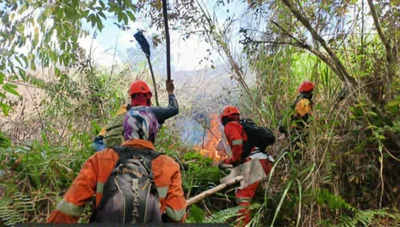
In Bukidnon, forest firefighters are battling intense grassland and forest fires amid a worsening dry spell, with steep and slippery terrain complicating efforts. Since February, areas like Can-ayan, Natid-asan, and Kalasungay have suffered significant damage to grasslands, bamboo, pine forests, and acacia plantations. Officials attribute most fires to intentional 'kaingin' burning as locals clear land for corn planting. Firefighters continue their uphill fight to contain the blazes and protect vulnerable upland communities.
-
UK's Healthy Life Expectancy Plummets

A new study reveals that healthy life expectancy in the UK has dropped by nearly two years over the past decade, with men now averaging 60.7 years and women 60.9 years of good health. This decline starkly contrasts with improvements seen in other wealthy nations and highlights widening health inequalities, as people in deprived areas suffer significantly shorter healthy lives. Experts warn this trend signals a public health crisis with severe economic and social consequences, urging bold government action beyond NHS reforms to tackle root causes like obesity and mental illness.
-
Global Fund Eyes Pakistan HIV Crisis

The Global Fund is reportedly planning a visit to Pakistan to investigate the alarming rise in HIV cases, particularly linked to syringe reuse. Over 300 children in Taunsa and 618 new cases in Islamabad since early 2025 have raised serious concerns. Pakistani health authorities are now under pressure to implement stricter controls, with technical experts expected to take the lead. The visit, possibly in early May, could reshape disease control efforts amid past criticisms of bureaucratic mismanagement.
-
Pretend Play Boosts Kids' Mental Health

A new study led by Fotini Vasilopoulos at the University of Sydney reveals that pretend play significantly supports children's mental health. The research, involving a team of experts, highlights how imaginative play can reduce anxiety and improve emotional resilience. This finding could reshape early childhood education and mental health interventions. Further research is planned to explore long-term benefits and practical applications.
-
Toronto Patient Shows HIV Cure Hope

A Toronto man living with HIV for 27 years is in remission after a bone marrow transplant using donor cells with a rare mutation resistant to HIV. Known as the "Toronto patient," the 62-year-old underwent the transplant to treat leukemia but now has an immune system impervious to the virus. If remission holds through 2027, he could be officially cured, marking a major milestone in HIV research. Experts emphasize this is not a widespread cure yet but highlight the importance of donor registries for future breakthroughs.
-
Many Japanese Ignore Health Checkup Warnings

A recent survey by Ubie reveals that a significant number of Japanese people overlook critical health checkup results. Of 1,378 respondents, only 32% received perfect health ratings, yet nearly 20% didn't even review their results in detail. Many skip follow-up care due to lack of symptoms or perceived hassle, undermining early detection efforts. This gap between testing and action poses serious public health risks, highlighting the need for better awareness and support.
-
Delhi Scorches Past 44°C Amid Heatwave Alert

The India Meteorological Department has issued an orange alert as Delhi's temperatures soar beyond 44°C, signaling severe heatwave conditions for the next three days. This spike poses serious health risks, especially with rising humidity levels across the region. Authorities are urged to prepare for extreme weather and implement safety measures to protect vulnerable populations.
Cybersecurity & Privacy 10
-
GitPython Flaw Enables Command Injection
A critical command injection vulnerability has been discovered in GitPython versions prior to 3.1.45, scoring 8.8 on the CVSS scale. The flaw allows attackers to bypass security filters by exploiting how keyword arguments are sanitized, enabling arbitrary code execution through the underlying Git binary. Developers and organizations using GitPython should urgently upgrade to version 3.1.45 or later to mitigate this risk and audit their code for unsafe argument handling.
-
Raspberry Pico Turns USB Into Hacking Tool
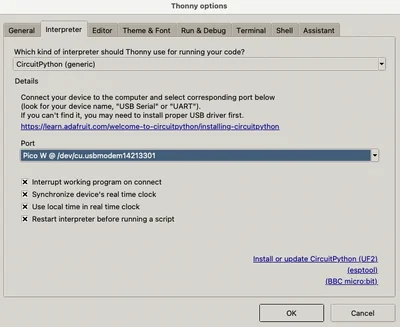
The Raspberry Pico microcontroller is being repurposed as a low-cost USB hacking device capable of injecting commands and stealing data once plugged into a target computer. Using CircuitPython and DuckyScript, hackers can program the Pico to execute automated exploits, such as opening text editors and typing messages on Linux systems. While educational, this raises serious security concerns as such simple hardware can bypass protections and compromise systems. Experts warn users to be vigilant and only test on devices they own to avoid damage. The next step is improving exploit stealth and expanding attack capabilities on various operating systems.
-
New Human Source License Targets AI Giants

The newly introduced Human Source License (HSL) aims to protect human creativity in software development amid the rise of AI. It keeps software free for most users but requires commercial licenses from companies earning over $100M and those using software to train or run AI models. This license challenges the unchecked use of human-written code by AI firms without compensation. The next step involves legal review and broader adoption to reshape open source norms in the AI era.
-
Firefox VPN Adds Server Choice Feature

Mozilla is enhancing its free built-in VPN in Firefox 151 by allowing users to manually select their server location, a feature previously missing from the service. Currently available in the UK, USA, France, Canada, and Germany, this update improves user control over privacy by letting them override the automatic server selection based on proximity. The rollout remains gradual, and while the VPN protects browser traffic only, Mozilla plans to bring this feature to Android soon. This move strengthens Firefox's position in the privacy-focused browser market.
-
GoDaddy's Domain Transfer Disaster
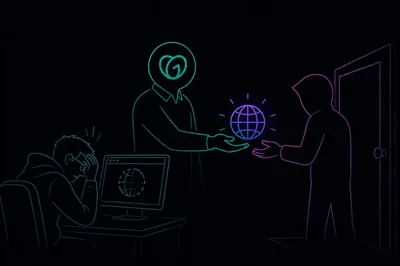
GoDaddy mistakenly transferred a domain held for 27 years by a national organization without proper documentation, causing their website and email to go dark for four days. Despite full security measures and multiple attempts to resolve the issue, GoDaddy's support offered little help and closed the case abruptly. The domain was only recovered thanks to a stranger who noticed the error and helped return it. This incident raises serious concerns about domain registrar security and customer support protocols.
-
Obsidian and AI: Productivity Pitfalls

The popular note-taking app Obsidian is widely used with AI to boost productivity, but experts warn this may be a dead end. Since Obsidian stores notes locally in open Markdown format, AI integration is easy but risks diluting original insights with AI-generated noise. Users are advised to avoid mixing AI-generated summaries with personal notes to preserve clarity and true value. The best AI use case might be enhanced search, but even that requires caution to protect sensitive data. For now, keeping AI experiments separate from your core knowledge vault is the safest bet.
-
Lua Shines as Secure HTML Templating

Lua is gaining attention as a compact, elegant alternative for HTML templating, praised for its simplicity and tight design. Unlike bulkier engines like Handlebars, Lua offers a more streamlined approach without sacrificing functionality, making it ideal for secure and maintainable web templates. This shift highlights a growing preference for minimalism and explicit data handling in web development. Developers are now exploring Lua's potential to replace traditional templating engines, promising safer and more efficient rendering workflows.
-
Itron Cyberattack Hits Utility Tech Firm

Itron, Inc., a major utility technology provider, revealed that unauthorized access was detected in its internal IT systems on April 13, 2026. The company swiftly activated its cybersecurity response plan, involving law enforcement and external experts to contain the breach. Despite the intrusion, Itron reported no disruption to its operations or customer data compromise, with investigations ongoing. The incident underscores the vulnerability of critical infrastructure firms and highlights the importance of robust cyber defenses.
-
Toronto Busts SMS Blaster Ring

Toronto police have arrested three suspects in a groundbreaking crackdown on a mobile SMS blaster scheme that caused 13 million network disruptions and infiltrated tens of thousands of devices across the city. These devices mimicked cell towers to intercept signals, block emergency calls, and send fraudulent texts to steal personal data. Authorities say the operation, the first of its kind in Canada, has been dismantled, but warn residents to stay alert for smishing attempts via traditional channels.
-
Massive Data Breach Hits Thai Engineers

A hacker infiltrated the Council of Engineers Thailand's database, stealing personal data of approximately 350,000 members during a server transfer. The breach exposed sensitive information including names, addresses, phone numbers, and license details across various engineering fields. Authorities are investigating potential misuse and the impact on upcoming council elections, urging swift action to protect affected engineers nationwide.
Gaming & Esports 10
-
Diablo 4: Lord of Hatred Launch Times

The highly anticipated Diablo 4: Lord of Hatred expansion drops on April 27 in the US and April 28 across Europe, Australia, and New Zealand. Players can explore the new isles of Skovos and enjoy revamped class skills and unique items thanks to patch 3.0, which is free for all. Preloading started on April 23, allowing fans to jump in right at launch. Whether you're buying the expansion or not, the update promises fresh gameplay depth and changes worth checking out.
-
Gothic Remake Ditches Minimap for Realism

Gothic Remake stays true to its roots by eliminating the minimap, preserving the original's immersive open world experience. Developer Alkimia Interactive insists players must rely on in-game maps and exploration, enhancing realism and player engagement. While adding optional minigames was considered, the focus remains on core gameplay authenticity. The remake, launching June 5, promises a gritty medieval RPG experience with improved quest guidance and expanded crafting systems.
-
Return to Castle Wolfenstein Console Levels Arrive on PC

For the 25th anniversary of Return to Castle Wolfenstein, modders behind the popular RealRTCW overhaul are bringing the game's previously console-exclusive Egypt-set levels to PC. The new free DLC, called Cursed Sands, includes seven new levels, unique enemies, and extensive customization options, such as HUD styles and sound packs from different versions. Launching on May 6 via Steam and GOG, this expansion finally lets PC players experience content once locked to Xbox and PS2, enriching the classic shooter’s legacy.
-
Assassin's Creed Hexe Loses Second Director

Ubisoft's Assassin's Creed Hexe project faces turmoil as game director Benoit Richer exits, following creative director Clint Hocking's departure earlier this year. Richer is co-founding a new studio with former Ubisoft developers, leaving Hexe without a public replacement. These back-to-back leadership losses raise concerns about the game's development stability, especially as Ubisoft remains tight-lipped on Hexe's future.
-
Vampire Survivors Dev Juggles 15+ Projects

Vampire Survivors developer poncle is currently working on over 15 projects, including DLCs and updates, aiming to expand its indie success without going AAA. Since the game's 2022 release and over 27 million players, poncle has grown rapidly, opening new studios in Italy and Japan. The company plans to keep producing small, agile games and hopes to eventually have 40 projects running worldwide simultaneously. Fans can expect more spin-offs and licensed titles like the upcoming Warhammer Survivors.
-
Alien: Isolation 2 Teaser Sparks Hype

On Alien Day 2026, Sega and Creative Assembly dropped a mysterious teaser titled "False Sense of Security" for the highly anticipated sequel, Alien: Isolation 2. The brief clip hints at a return to the eerie atmosphere of the original, showcasing a rain-soaked alien base and the iconic emergency phone save stations. Fans have been waiting nearly 12 years since the original's release, and while details like release date and platforms remain under wraps, excitement is building for what's next in this cult-favorite sci-fi horror series.
-
Zenless Zone Zero Hits Steam in 2026

Zenless Zone Zero is officially coming to Steam in Q2 2026, marking a major expansion for the game beyond its existing platforms. This move is significant as it precedes the Steam launches of MiHoYo's other popular titles like Genshin Impact and Honkai: Star Rail, potentially reshaping the studio's PC strategy. Players can already sign up for pre-release tests and help unlock community rewards by boosting the game's wishlist count to 300,000. The Steam release will offer a fresh opportunity for fans and newcomers alike to dive into this action RPG with a strong online store presence.
-
Last Flag Goes Free Every Weekend

Last Flag, the multiplayer shooter from Imagine Dragons' Dan Reynolds' studio, is now free to play every weekend until its first update arrives this summer. Despite positive gameplay reviews and a reasonable launch price, the game struggled to find a large audience. The free weekend offer aims to boost player engagement by allowing full access via Steam from Friday to Monday each week. With new content like the Twin Temples map on the horizon, Night Street Games hopes this move will revive interest and grow the community.
-
Shapez 2 Launches Massive Factory Mode

Shapez 2 has officially left early access with a major update that introduces a new Manufacture mode focused on building sprawling, complex factories. This mode shifts the gameplay from puzzle-solving to large-scale factory construction, appealing to fans of automation sims like Factorio. The 1.0 release also brings new shapes, visual upgrades, and mod support, making it a fresh experience for both new and veteran players. Available now at a 20% launch discount, Shapez 2 is set to deepen its foothold in the factory-building genre.
-
Shapez 2 Unveils Massive Factory Mode
Shapez 2 has officially left early access with a groundbreaking new mode focused on building sprawling factories rather than solving puzzles. This 'Manufacture mode' shifts gameplay to managing complex trade stations and constructing intricate production lines, aligning the game closer to giants like Factorio. The update also brings fresh challenges, new shapes, and modding support, promising a richer experience for veterans and newcomers alike. With a launch discount until May 7, now’s the perfect time to dive into this addictive factory sim.
Dev & Open Source 10
-
Building a Terminal in C with GTK4
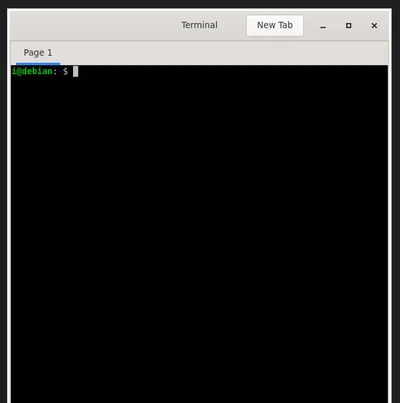
A new tutorial series by Kiran Chauhan guides developers through building a terminal emulator in C using GTK4 and VTE. The first article walks through setting up the environment, creating a basic GTK application window, and compiling the code. This step-by-step approach aims to quickly produce a functional terminal with tab support, with plans to add more features in future installments. The next article will focus on implementing tabs, advancing the project further.
-
Go Embraces Async/Await Style

A new pattern inspired by async/await has emerged in Go, simplifying structured concurrency while preserving Go's core simplicity. The go-opera library encapsulates Goroutines and channels, enabling easier error handling, cancellation, and result retrieval without boilerplate. This approach bridges the gap for developers familiar with async/await in other languages, making concurrent Go code cleaner and more maintainable. The community is expected to adopt this pattern widely, enhancing Go's concurrency model.
-
Ansible Powers Home IT Automation

Ansible is proving to be a game-changer for home IT management by automating system configurations and backups with precision. Users benefit from reduced human error and consistent setups, especially when managing power limits and backup routines like Restic. This approach not only simplifies maintenance but also doubles as self-documenting infrastructure code. As home networks grow more complex, Ansible’s role in streamlining automation is set to expand.
-
GitPython Flaw Lets Hackers Run Commands
A critical command injection vulnerability, tracked as GHSA-RPM5-65CW-6HJ4 with a CVSS score of 8.8, has been found in GitPython versions before 3.1.45. The flaw arises because the library fails to properly sanitize keyword arguments, allowing attackers to bypass security checks by using underscores instead of hyphens in Git options. This loophole enables arbitrary command execution through the underlying Git binary, posing serious risks to CI/CD pipelines and AI tools relying on GitPython. Users are urged to upgrade to version 3.1.45 or later and audit their code to prevent exploitation.
-
Open-Source ERP Revolutionizes Banking Ops

Bank Financial ERP has launched a groundbreaking open-source system featuring 20 interconnected modules designed to overhaul internal banking operations from asset management to compliance. This banking-grade ERP ensures rigorous audit trails, seamless Core Banking System integration, and granular role-based access control, addressing the complex demands of regulated financial institutions. Its modular architecture promises enhanced accuracy and operational transparency, setting a new standard for financial software. The next step is wider adoption and customization across global banks seeking robust, compliant internal systems.
-
Spring Ecosystem Hits Major RC Milestone
The Spring ecosystem has unveiled the first release candidates for several key projects including Spring Boot 4.1.0, Spring Security 7.1.0, and Spring Integration 7.1.0. These updates bring critical bug fixes, dependency upgrades, and new features like OpenTelemetry support in Boot and enhanced authorization methods in Security. This wave of releases signals a robust step forward for Spring developers, with detailed release notes available for each component. The community now eagerly anticipates final releases to leverage these improvements in production environments.
-
Notepad++ Launches Native Mac Version

Notepad++, the popular text editor, has officially released a native version for macOS, compatible with both Apple Silicon and Intel Macs. This new version runs without any emulation, offering full native performance and supports over 80 programming languages with plugin support. Completely free and open source, it promises a seamless experience tailored to Mac users. Developers can now enjoy the familiar Notepad++ features with a native macOS interface, and the community-driven project continues to evolve with daily plugin updates.
-
EvanFlow Powers Claude Code's TDD Loop
EvanFlow introduces a disciplined TDD-driven feedback loop for Claude Code users, transforming software development into a structured, iterative process. By orchestrating brainstorming, planning, execution, testing, and iteration with real checkpoints, it keeps developers in control without auto-commits or forced steps. This innovation addresses common AI coding pitfalls like hallucinations and context drift, ensuring higher quality code. Developers can easily integrate EvanFlow via Claude Code's plugin marketplace and expect more reliable, test-driven feature development.
-
Decoding the Unix Magic Poster

A new project has launched a detailed website mapping all references in the classic 1980s Unix Magic poster by Gary Overacre. This annotated resource offers Unix fans a structured way to explore the poster's components, revealing the technical and cultural significance behind each element. The site, available at unixmagic.net, invites contributions to deepen understanding of Unix's early innovations. This initiative not only preserves history but also enriches appreciation for Unix's legacy.
-
AERIS-10: Open Radar Revolution

The open-source AERIS-10 phased array radar system debuts with two models offering 3km and 20km ranges at 10.5 GHz. Designed for researchers and drone developers, it features full electronic beam steering, advanced FPGA signal processing, and a Python GUI for real-time control. By democratizing radar tech with modular hardware and software under CERN-OHL-P licenses, AERIS-10 promises to accelerate innovation in radar applications. Next steps include community-driven enhancements and broader adoption in academia and industry.