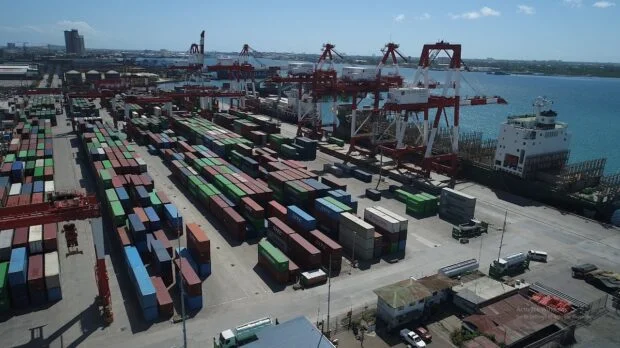
Unpredictability, not cost, is Cebu’s real logistics problem
CEBU CITY, Philippines — Rising logistics costs, particularly fuel prices, may be a concern for businesses in Cebu, but unpredictability and supply chain disruptions pose a bigger challenge.
“People often say the main issue is cost, but it’s not just cost. It’s really about predictability,” said Regan Rex King, president of the Cebu Chamber of Commerce and Industry (CCCI).
King made the statement during the 2GO Business Forum in Cebu City held in a hotel in Cebu City on August 6.
READ MORE: More Filipinos out of work as unemployment rate hits 4.9% in June
Businesses can absorb higher costs when they know what to expect, but sudden disruptions can throw operations off balance, he said.
“If goods are moved efficiently and predictably, businesses grow,” King said. “There are many unpredictables, but they can be managed.”
READ MORE: Possible August power bill hike looms in Metro Cebu
External shocks
The recent escalation between Iran and the United States served as an example of an external shock that can quickly ripple through supply chains, sending fuel prices higher and triggering uncertainty among businesses.
“Who would have known that while we were just going about our business, suddenly Iran and the US would be in conflict and we’d have a fuel crisis?” King said. “Everything changed overnight. Everybody panicked.”
READ MORE: High bills, cheap panels drive a Philippine solar surge
But the episode also highlighted Cebu’s vulnerability because of its reliance on imported raw materials, King said.
In response, strengthening regional and local supply chains could help businesses cushion the impact of external shocks.
“If we had addressed supply chains more seamlessly — for instance, if we weren’t overly dependent on imported raw materials, and instead looked at regional and local sources in neighboring cities and municipalities — then we wouldn’t have been as affected,” he explained.
Predictability and efficiency
Likewise, King cited Singapore as an example of an economy built around predictability and efficiency.
“You know what time the train arrives, you know how much to pay, you know where to go,” he added.
Cebu could achieve a similar level of efficiency if the government and private sector worked together, he said.
Digitalization is another area where Cebu’s logistics sector can improve, King said, particularly by making transactions such as shipment bookings and obtaining bills of lading possible online.
“It should be possible to do everything online without having to send somebody to the port to get a bill of lading,” he said.
King compared the potential benefits to the convenience consumers now expect from e-commerce platforms.
“Why do people love to buy on Lazada, Shopee, Temu? Because you can just click — it’s fast and easy,” he said. “It looks easy to us because we only click, but in the back end, there is a lot of work and collaboration to make that happen.”
Additionally, for Cebu to strengthen its position as a logistics gateway for the Visayas, government agencies and businesses must align their efforts, from local systems to international trade processes.
“If we’re all aligned, from local to international, we will really attract more business and investments,” King said.
Disclaimer: The comments uploaded on this site do not necessarily represent or reflect the views of management and owner of Cebudailynews. We reserve the right to exclude comments that we deem to be inconsistent with our editorial standards.