By Song Sang-ho
WASHINGTON, April 13 (Yonhap) -- The U.S. military on Monday began blockading ships entering or exiting Iranian ports, ratcheting up pressure on the Islamic Republic after Washington and Tehran failed to reach an agreement during their peace talks in Pakistan over the weekend.
In an advisory, the United Kingdom Maritime Trade Operations (UKMTO), a British entity, said that effective from 10 a.m. (Washington time), "maritime access restrictions" were being enforced for Iranian ports and coastal areas, including locations along the Persian Gulf, Gulf of Oman and the Arabian Sea east of the Strait of Hormuz
Trump warned that if Iranian "fast attack ships" come "anywhere close" to the blockade, the U.S. military will "immediately" eliminate them, using the same system mobilized to strike boats carrying drug dealers at sea.
The planned blockade in the Strait of Hormuz appears aimed at putting pressure on Iran, as it could restrict Tehran's ability to export oil, its key source of revenue. Iran has used the strait as a vital source of strategic leverage to seek U.S. concessions during the war.
In a note to seafarers issued earlier, U.S. Central Command said that any vessel entering or departing the blockaded area without authorization is subject to "interception, diversion, and capture," according to Reuters.
"The blockade will not impede neutral transit passage through the Strait of Hormuz to or from non-Iranian destinations," it said.
In its advisory, UKMTO said that the blockade encompasses the "entirety" of the Iranian coastline, including ports and energy infrastructure, and that neutral vessels currently within Iranian ports have been granted a limited grace period to depart.
The blockade raised concerns over its impact on the implementation of last week's temporary ceasefire agreement that appeared to be on shaky ground amid Israel's continued strikes in Lebanon and Iran's move to restrict traffic through the Strait of Hormuz.
The U.S. turned to the naval blockade as it failed to secure Iran's clear commitment not to seek a nuclear weapon during the negotiations in Islamabad. During the talks, the two sides discussed an array of complex issues, including Iran's push to assert control over the Strait of Hormuz and secure the release of its frozen assets.
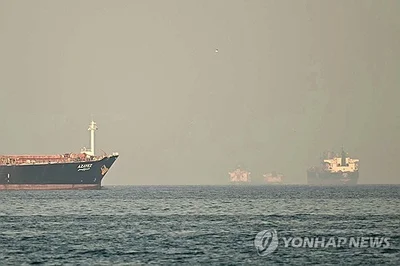
This file photo, released by AFP, shows cargo ships and tankers sailing off the coastal city of Fujairah in the Strait of Hormuz on February 25, 2026. (Yonhap)
sshluck@yna.co.kr
(END)