Singapore must grow longevity economy without driving up healthcare costs: Ong Ye Kung
AI generated
SINGAPORE - As Singapore builds a “longevity economy” by strengthening sectors such as biomedical sciences, nutrition and artificial intelligence, it must improve people’s lives without driving up healthcare costs unnecessarily, Health Minister Ong Ye Kung said.
This is in view of the country becoming a super-aged society, with older generations who are wealthier than those before them, and can spend more on retirement living, investment products, insurance, tourism, wellness and healthcare.
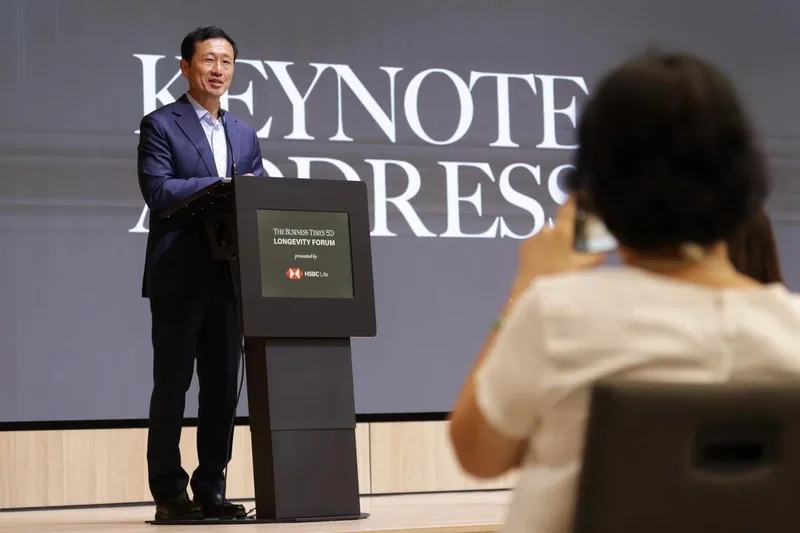
Speaking at the inaugural Business Times Longevity Forum, held at the SPH Media Auditorium on July 25, Ong, who is also the Coordinating Minister for Social Services, said today’s seniors will have different needs and expectations, but more resources to spend.
“The decumulation of lifetime savings and the desire to build health and lead better lives will drive the growth of the longevity economy,” he said.
But he cautioned that growth in the sector must not come at the expense of good healthcare.
Singaporeans are living about 10 years longer than the average person worldwide, but longevity comes with a new reality.
He warned against unnecessary tests and treatments as these would inflate healthcare costs without improving outcomes.
“Where distortions have arisen, such as over-generous health insurance riders that encourage over-consumption, we need the insurance industry to heed the Government’s call to rein in such products. And the industry is doing so,” said Ong.
He said while a part of healthcare builds health and improves quality of life, a major segment of healthcare spending is still about restoring health, or managing sickness, often in an atmosphere of worry and anxiety.
“If over-servicing and unnecessary treatments proliferate, we have not created health or wealth. We have created costs. This is happening everywhere in the world and makes healthcare increasingly expensive and unaffordable,” he said.
Ong said it is here that the Government needs to lean forward and work with industry to shape markets in the right direction, rather than “just regulate from a distance”.
This includes setting clear public health objectives and policy frameworks such as Healthier SG, Age Well SG or Nutri-Grade labelling which industry can contribute towards.
For Singapore to be a more attractive destination for clinical trials, and a platform trusted for safety and quality, further steps will be taken to strengthen research and development here.
This includes simplifying the contract review process across institutions and implementing a standard budget template, he said.
The changes aim to make it easier for pharmaceutical companies to conduct research in Singapore, where they currently have to navigate different processes across public healthcare providers.
Healthcare cluster SingHealth has also introduced a fast-track lane for ethics reviews to speed up approvals.
Ong said these efforts are part of a broader strategy to grow the “longevity economy” - products and services catering to an aged population - while ensuring healthcare remains sustainable.
To this end, Ong said the Government is consciously forging a stronger partnership with the commercial sector.
“Only then can we grow the longevity economy in a way that directly reinforces the public objective of healthcare,” he said, pointing to the role of private clinics and healthcare groups in the Healthier SG movement. They have been enrolling residents, developing health plans with them, and encouraging them to adopt healthier life habits.
Beyond research, Ong said health products regulation offers opportunities too.
When carried out well, it helps position Singapore as a trusted platform for safety and quality, resulting in innovations reaching patients faster, he added.
For instance, the Health Sciences Authority (HSA) is highly regarded internationally for its regulatory rigour and scientific excellence. More than 10 overseas regulatory authorities now reference its approvals for medicines or medical devices.
HSA is a World Health Organization (WHO) Maturity Level 4 regulator and a WHO Listed Authority for medicines, and the first national regulatory authority in the world to achieve the highest maturity level of technical competency for medical devices.
Ong said this will make Singapore a gateway to many other markets for medicines and medical devices and HSA is working closely with various agencies to fully realise this potential.
“If we succeed, Singapore can be in the first wave of clinical trials and product filings when there is a new and effective drug or medical device. Our patients can benefit ahead of other markets,” he said.
The BT forum, presented by HSBC Life, brought together healthcare leaders, longevity specialists and a financial expert to examine what it takes to remain healthy, financially secure and independent through a potentially decades-long retirement.
There were also two panel discussions, with the first exploring how Singaporeans can take a more holistic approach to ageing, preventive healthcare, and long-term financial planning; and the second on real stories of health, purpose and reinvention.
The forum was attended by about 200 participants.